

AI Generated
Fuel prices in India remain stable despite concerns over the Iran-US conflict, ensuring affordability for consumers and economic resilience.
GlipzoIn recent developments, fuel prices in India are set to remain stable despite ongoing global concerns related to the Iran-US conflict. Government sources have indicated that there will be no immediate changes to the prices of petrol and diesel, ensuring continued affordability for consumers across the country. This decision comes as tensions in the Middle East have sparked fears of potential disruptions in oil supplies, yet Indian officials assure that the domestic market will not be adversely affected.
The Indian government is closely monitoring the situation, and as of now, they have expressed confidence in the country’s ability to maintain stable fuel prices. The Ministry of Petroleum and Natural Gas has reiterated its commitment to safeguarding the interests of consumers and ensuring that the economy remains resilient against international fluctuations.
Several factors contribute to the stability of fuel prices in India, including: - Domestic Production: India produces a significant portion of its oil needs, reducing reliance on imports. - Strategic Reserves: The country has maintained strategic reserves to buffer against global supply disruptions. - Government Policies: Regulatory measures and pricing strategies have been implemented to stabilize the market.
Experts note that while international crude oil prices may fluctuate due to geopolitical tensions, domestic pricing mechanisms and inventory levels can help mitigate these effects in the short term. Reports indicate that the government is prepared to take necessary actions should the situation escalate.
Industry analysts have been closely watching market responses to the ongoing conflict, which has historically impacted global oil prices. As of now, crude prices have seen minor fluctuations, yet they have not led to immediate repercussions on the domestic front.
The Indian oil sector remains resilient, with many analysts suggesting that any potential increase in prices could be managed effectively. The government’s proactive stance is expected to instill confidence among consumers and businesses alike, ensuring that economic growth is not hampered by external pressures.
For consumers, the assurance of stable petrol and diesel prices is crucial, especially in light of rising costs in other sectors such as food and housing. The government’s commitment to maintaining fuel price stability can significantly influence public sentiment and economic sentiment overall.
Officials have encouraged consumers to remain calm and assured them that the government is prepared to intervene if necessary.
In summary, despite the geopolitical uncertainties stemming from the Iran-US conflict, the Indian government has taken decisive steps to ensure the stability of petrol and diesel prices. By leveraging domestic production capabilities and maintaining strategic reserves, India aims to shield itself from external shocks. As the situation evolves, the government's proactive measures will be key in navigating any potential challenges that may arise in the global oil market.
In light of these developments, consumers can remain hopeful that their daily expenses will not be adversely affected in the near future, allowing for continued economic stability in the country.
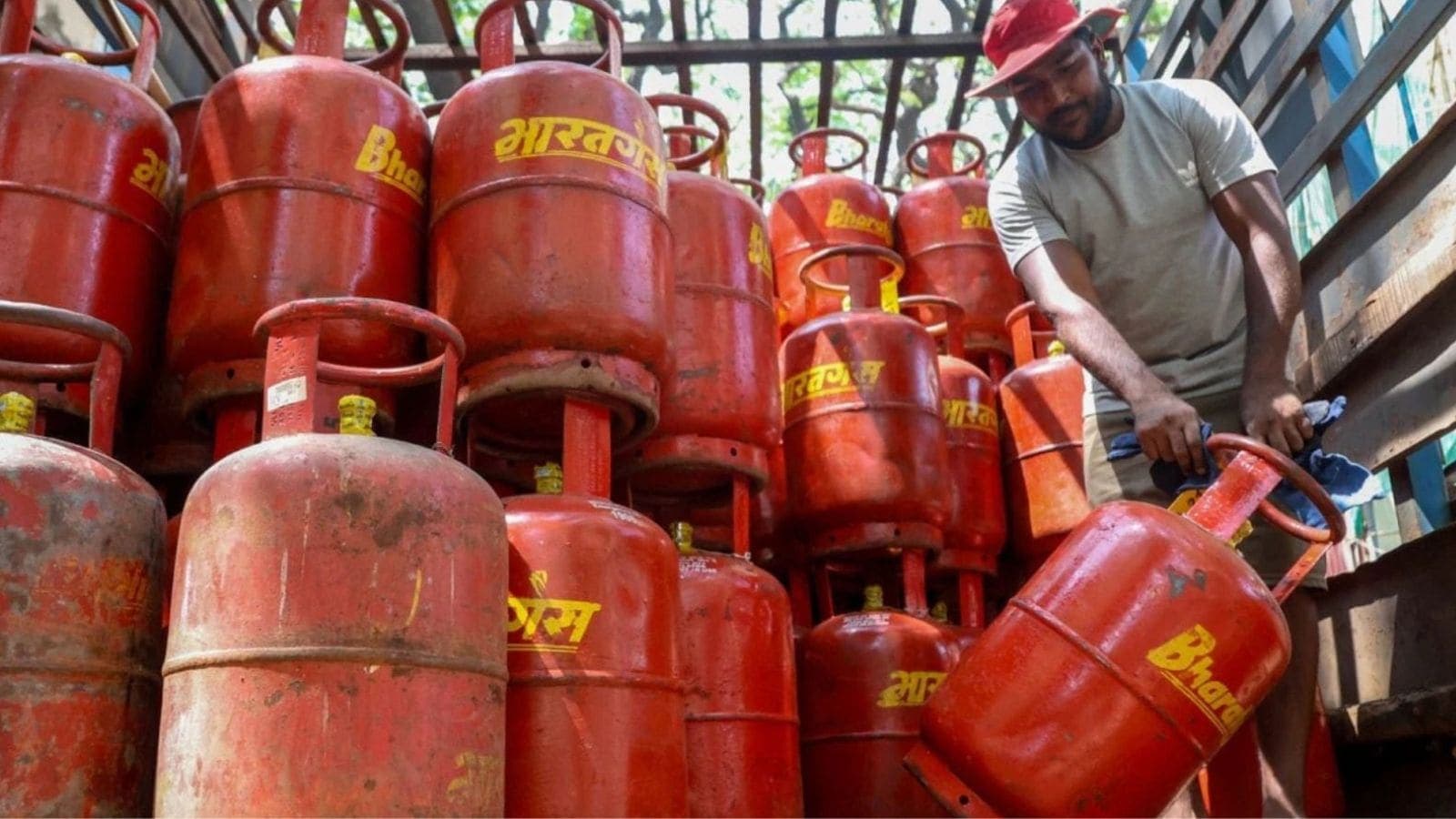
Commercial LPG prices have risen again, with increases of ₹42 in Delhi and ₹53.50 in Kolkata impacting businesses and consumers alike. Find out more.
Indian Express
Discover how a tragic coal mine explosion in Shanxi, China, reveals ongoing safety concerns in the industry amidst a push for green energy.
BBC Business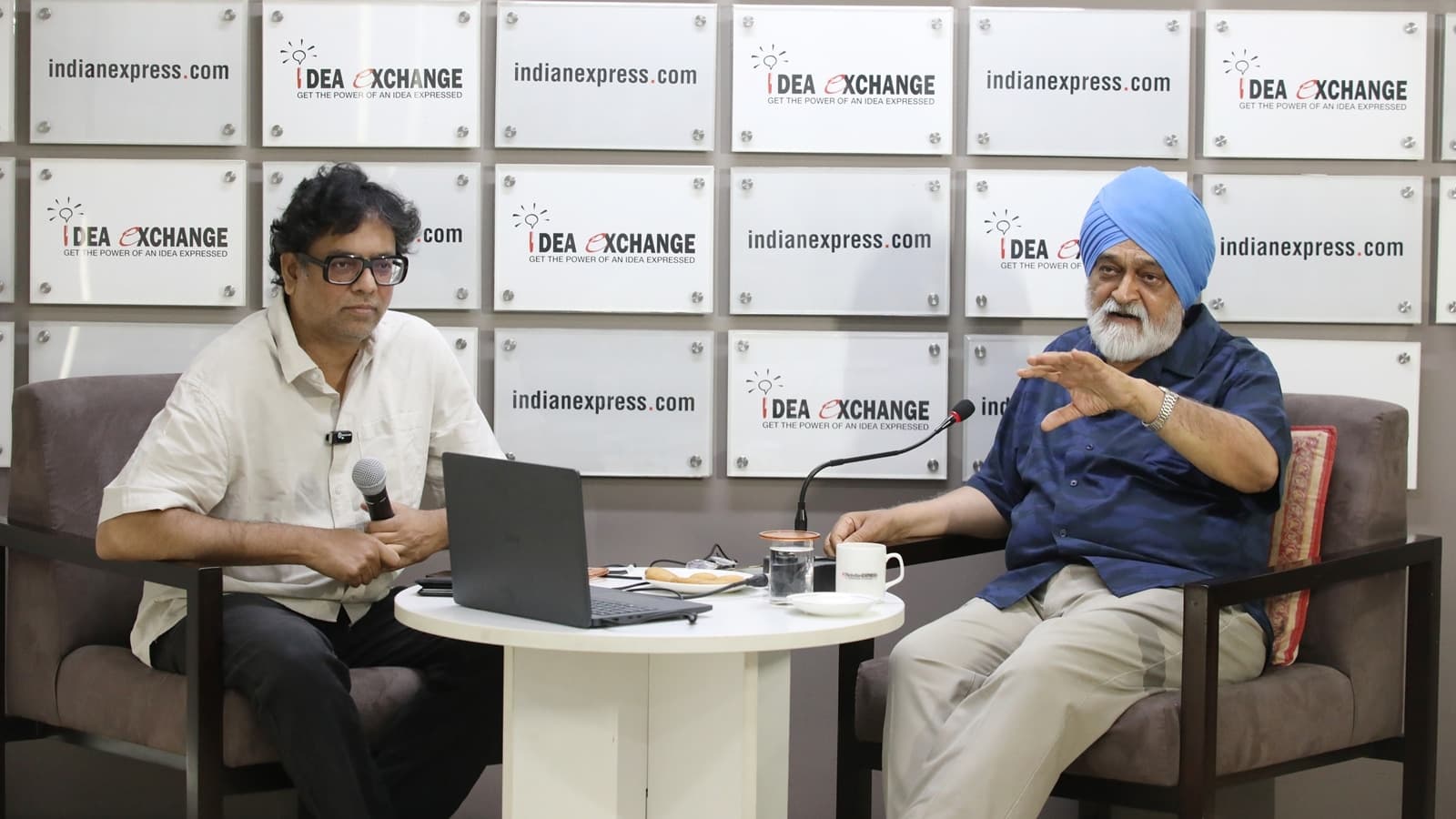
Montek Singh Ahluwalia highlights key economic challenges for India, emphasizing the need for a strategic approach to balance payments and investment.
Indian Express