
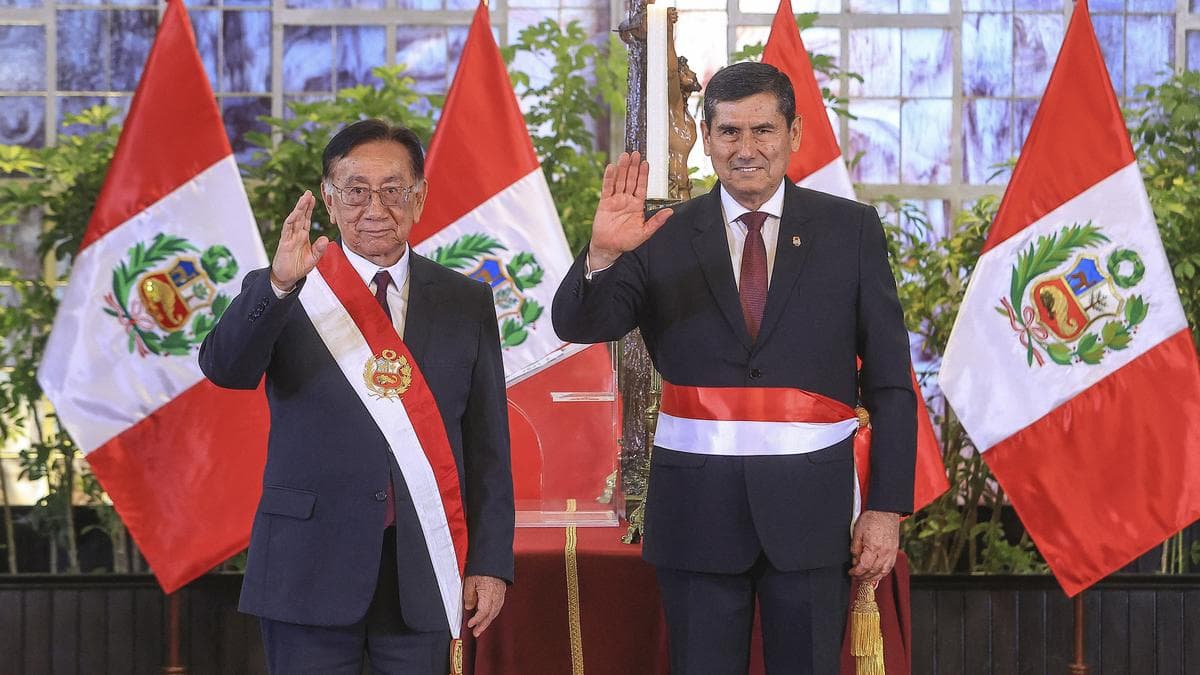
Image: The Hindu
Peru's political landscape shifts as Denisse Miralles resigns. Discover the implications of this sudden change and what's next for the country's leadership.
GlipzoOn March 18, 2026, Peru faced a political shake-up as Denisse Miralles, who had only been in office for three weeks, stepped down as Prime Minister. Her unexpected resignation has left the government in a precarious position, raising questions about the stability of the interim administration led by Jose Maria Balcazar.
In the wake of this surprising decision, Balcazar swiftly appointed General Luis Enrique Arroyo as the new Prime Minister during a ceremonial event at the Government Palace in Lima. Arroyo’s previous role as Defence Minister under Miralles places him in a crucial position to navigate the impending challenges, especially with a confidence vote looming from Congress.
The political landscape in Peru is increasingly complex, with Balcazar's government now facing a crisis that not only concerns their leadership but also the integrity of the upcoming electoral process. The transitional government is tasked with ensuring transparency as the nation approaches elections scheduled for April 12, 2026. Balcazar emphasized this in a statement, underscoring the need for stability during this critical phase.
Miralles' resignation was particularly striking as it coincided with her impending confidence vote in Congress — a requirement for all cabinet members within their first month of service. The political dynamics suggest that her appointment, along with other ministers, may not have gained the necessary support from Congress, which is predominantly controlled by the right-wing opposition.
Balcazar’s administration reacted quickly to the upheaval, announcing the appointment of new ministers in key positions: - Minister of Defence - Minister of Interior - Minister of Economy
This reshuffling indicates an urgent effort to solidify the cabinet amid uncertainties and to enhance the administration's chances of gaining congressional approval.
Miralles, who previously held the position of Economy Minister under former President Jose Jeri, resigned without providing a detailed reason. In her resignation letter, she stated, “In response to the request that...you were so kind to make for me...I hereby tender my effective resignation.” Her exit has left many questioning the stability of the current government, especially considering that Peru has seen eight different heads of state in the last decade.
As Peru gears up for elections and the newly appointed Prime Minister Arroyo prepares to take on his new role, the focus will be on how he addresses both internal governance and external pressures from Congress. The transitional government has the daunting task of restoring faith in its leadership while ensuring that the electoral process is transparent and credible.
The ramifications of this political turmoil extend beyond immediate governance. The stability of Peru’s economy and political framework may hinge on how effectively Arroyo can navigate the confidence vote and the subsequent challenges that may arise. Analysts suggest that the new cabinet selections may face significant hurdles in gaining support from the opposition-dominated Congress, potentially leading to further instability.
The unfolding events in Peru encapsulate the broader issues of political instability and governance in the region. With a history of frequent leadership changes, the country’s ability to maintain a steady course is under scrutiny. The implications of these political shifts extend to social stability and economic recovery, especially in a region that has faced numerous challenges in recent years.
As Peru looks toward elections, the key questions remain: Will Arroyo be able to unite the fragmented political landscape? Can Balcazar’s government regain the confidence of the public and Congress? With all eyes on the upcoming elections, the nation is poised at a critical juncture that could determine its future trajectory.
In conclusion, the political developments in Peru are not just a matter of leadership change; they reflect deeper systemic issues that have plagued the country for years. Observers will be keenly watching how this situation unfolds, particularly in the lead-up to the elections on April 12, 2026. The choices made by Arroyo and Balcazar now could have lasting impacts on Peru’s political landscape for years to come.
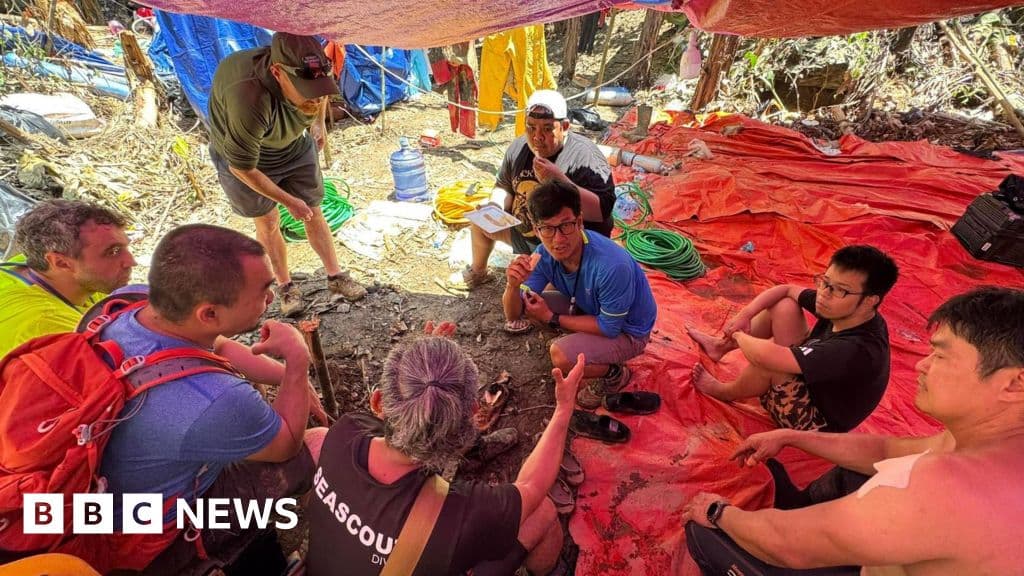
Survivors of the Laos cave rescue are aiding efforts to find the last two missing men trapped inside, sharing crucial insights for the search operation.
BBC World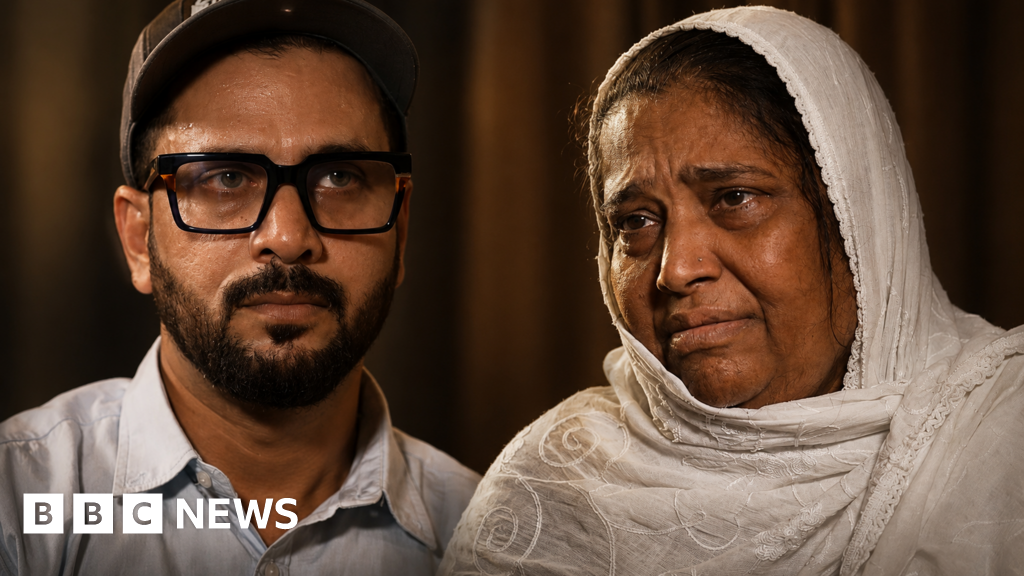
A year after the tragic Air India crash, the Ali family reflects on grief, unanswered questions, and the enduring bonds of love in the face of loss.
BBC Business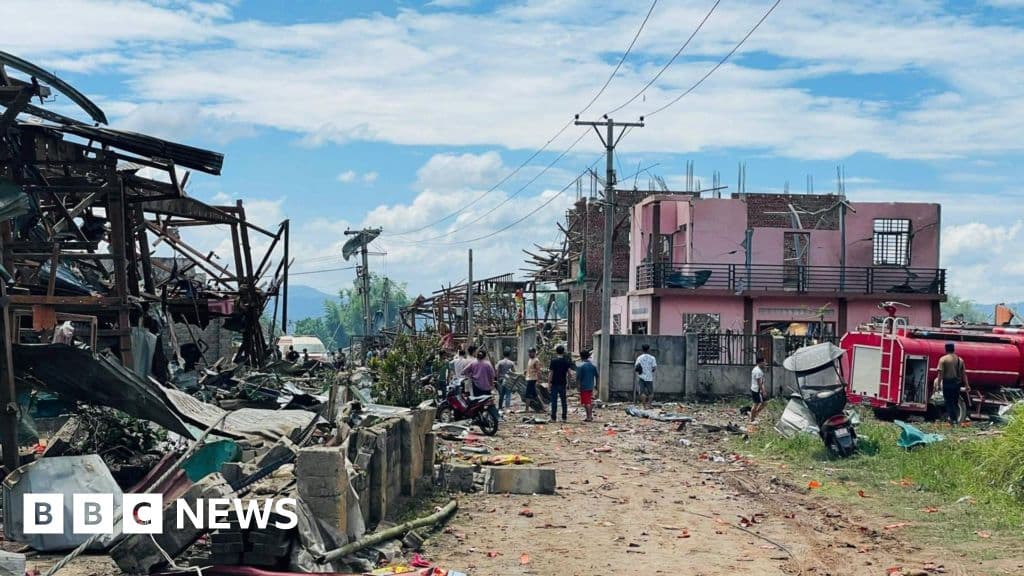
A devastating explosion in Myanmar's Kaung Tat village has killed at least 55 people, raising serious safety concerns and questions about civilian protection in conflict zones.
BBC World