
Image: BBC World
The Pentagon faces criticism for its silence on a deadly missile strike on an Iranian school, raising questions about accountability and military transparency.
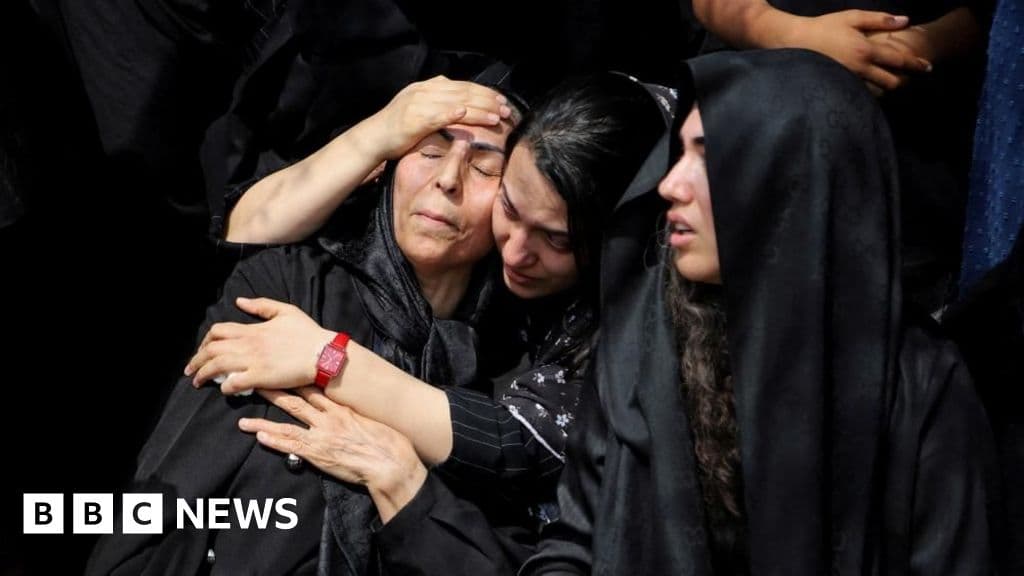
GlipzoIn a shocking revelation, five former U.S. officials have publicly criticized the Pentagon for its prolonged silence regarding a missile strike on an Iranian school that led to the tragic deaths of 168 individuals, including approximately 110 children. This incident occurred during the early days of the U.S.-Israeli conflict on February 28, 2023, prompting concerns over accountability and transparency in military operations.
The missile struck a primary school in Minab, igniting a wave of scrutiny and condemnation towards U.S. military practices. Despite the critical nature of this attack, which Iranian officials have labeled as catastrophic, the Pentagon has only acknowledged that the incident is still under investigation, leaving many questions unanswered.
Following the attack, U.S. media reported that military investigators suspected American forces might have inadvertently hit the school. However, no conclusive findings have been publicly shared. This is particularly notable given the historical context; previous incidents involving civilian casualties during U.S. military operations typically saw the Pentagon release detailed information within weeks.
Lt. Col. Rachel E. VanLandingham, a retired Judge Advocate General from the U.S. Air Force, highlighted that the current approach marks a stark departure from past military protocols. "Administrations in the past at least demonstrated fidelity, a commitment to the law of war," she explained, emphasizing that the current administration's lack of transparency is troubling. VanLandingham remarked that accountability and preventative measures should be paramount following such tragic events.
In the wake of the strike, former President Donald Trump opined on March 7 that Iran was to blame, despite offering no evidence to support his claim. His responses to questions about the military probe and the video evidence of a U.S. Tomahawk missile hitting the military base adjacent to the school were evasive, further complicating the narrative surrounding U.S. military accountability.
On March 4, Defense Secretary Pete Hegseth stated, "All I can say is that we're investigating that. We of course never target civilian targets." This statement, while an attempt at reassurance, fails to address the growing concerns over the U.S. military's operational transparency and its obligations under international law.
Despite repeated inquiries from the BBC, the Department of Defense has remained tight-lipped regarding the specifics of the strike and the role of the U.S. military in the incident. Notably, they have avoided confirming whether the Iranian military base next to the school was among pre-planned targets, a detail they routinely disclose in other military operations.
An investigation led by the BBC has confirmed that video evidence shows a U.S. Tomahawk missile hitting the Iranian Revolutionary Guard Corps (IRGC) base. Sources suggest that outdated target coordinates might have played a role in the tragic misfire, although the Pentagon has yet to comment on these findings.
Wes Bryant, a former senior advisor focused on precision warfare and civilian harm mitigation, explained that a preliminary inquiry typically aims to establish whether civilian harm occurred and whether U.S. forces were operational in the area at the time. "When you meet both of those criteria, that's when a formal investigation is initiated," he noted. This points to a troubling reality: the military may already know that U.S. forces caused the tragedy but are reluctant to admit it publicly.
The lack of transparency surrounding the Minab school strike raises critical questions about U.S. military accountability and the ethical implications of military operations. As calls for a thorough investigation grow louder, the need for a commitment to ensuring that civilian casualties are minimized becomes increasingly urgent. The repercussions of this incident could have lasting effects on U.S.-Iran relations and broader geopolitical dynamics.
As investigations continue, the situation remains fluid. The Pentagon's forthcoming statements will be crucial in determining the course of action regarding accountability. Observers should look for: - Official reports detailing the findings of the ongoing investigation. - Public statements from military officials outlining steps to prevent similar tragedies in the future. - Potential diplomatic fallout between the U.S. and Iran as the narrative unfolds.
In an age where military operations are under constant scrutiny, this incident could set a precedent for how civilian casualties are handled in the future. As the public and international community demand answers, the importance of transparency in military actions cannot be overstated.
The tension surrounding this incident highlights the need for a robust dialogue about U.S. military engagement and the ethical considerations that must guide operations to protect innocent lives.
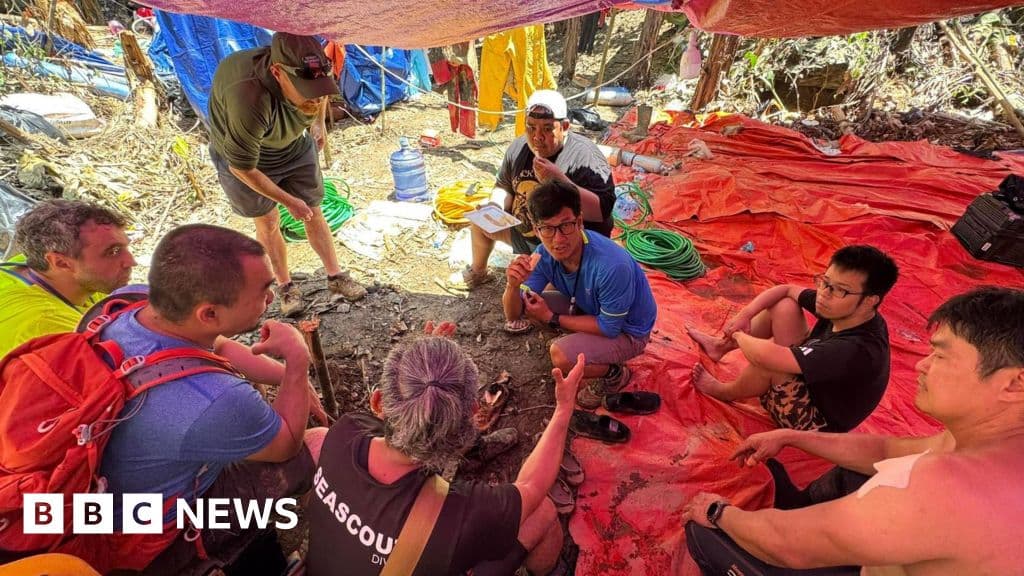
Survivors of the Laos cave rescue are aiding efforts to find the last two missing men trapped inside, sharing crucial insights for the search operation.
BBC World
A year after the tragic Air India crash, the Ali family reflects on grief, unanswered questions, and the enduring bonds of love in the face of loss.
BBC Business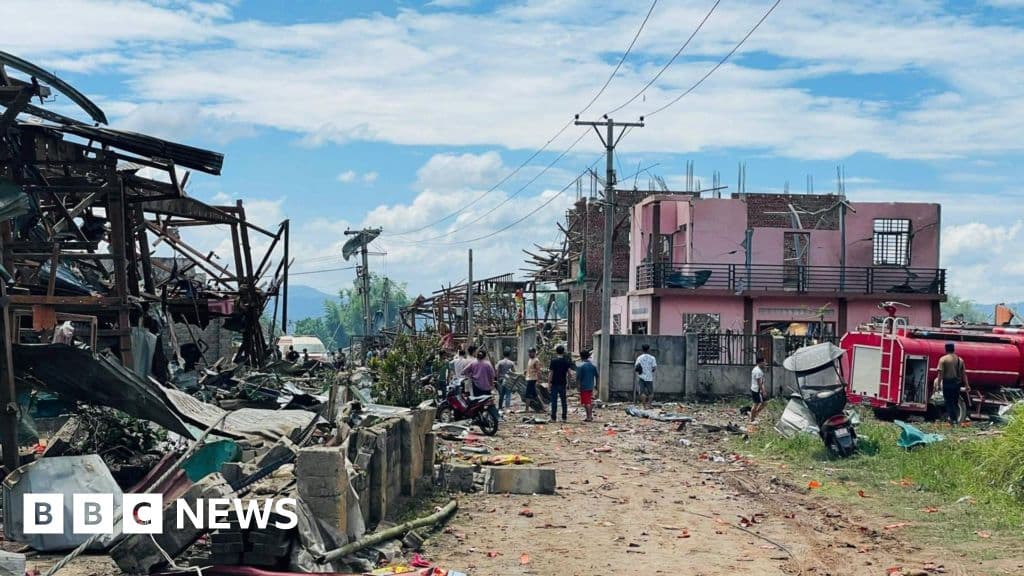
A devastating explosion in Myanmar's Kaung Tat village has killed at least 55 people, raising serious safety concerns and questions about civilian protection in conflict zones.
BBC World