
Image: The Hindu
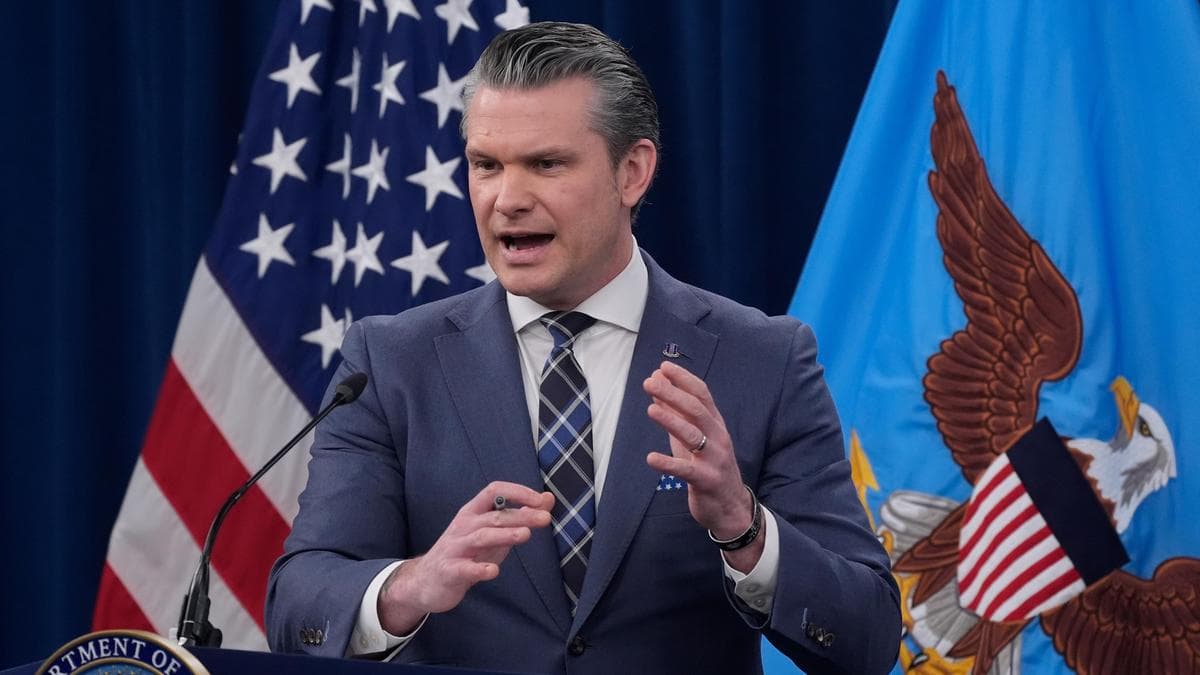
U.S. Defense Secretary Pete Hegseth indicates there's no timeline for the Iran conflict, seeking $200 billion in additional funding as military operations intensify.
GlipzoIn a significant press briefing on March 19, 2026, U.S. Secretary of Defense Pete Hegseth announced that there is currently no set timeline for concluding the ongoing military engagement between the U.S.-Israeli coalition and Iran. The conflict, which began just three weeks ago, has raised questions regarding its duration and implications for U.S. foreign policy.
Hegseth emphasized that the decision to end military operations will rest solely with President Donald Trump. "We wouldn’t want to set a definitive time frame," he stated, underscoring a strategy focused on achieving specific military objectives rather than adhering to a predetermined schedule. This statement reflects a broader approach within the Pentagon to prioritize operational success over political deadlines.
During the same briefing, Hegseth confirmed that the Pentagon is seeking over $200 billion in additional funding from Congress to support the ongoing conflict. This request is indicative of the significant financial resources required to sustain military operations and underscores the seriousness of the situation in the region.
Hegseth noted, "As far as $200 billion, I think that number could move. Obviously, it takes money to kill bad guys." This statement highlights the Pentagon's commitment to ensuring adequate funding for both current and future military actions.
Accompanying Hegseth was General Dan Caine, the top U.S. military officer, who provided insights into the types of military assets being deployed against Iranian forces. Notably, Caine detailed the use of A-10 Warthogs, specialized aircraft designed for close air support operations. These aircraft are currently engaged in targeting and neutralizing fast-attack watercraft in the Strait of Hormuz, a critical maritime corridor that has seen increased tension and disruption since the conflict's onset.
In addition to the A-10s, Caine mentioned that AH-64 Apache helicopters are being utilized in Iraq to combat Iran-aligned militia groups, demonstrating the multi-faceted approach the U.S. is taking to address threats from Tehran's forces. The use of these helicopters by allied nations to intercept Iranian drones is also a testament to the collaborative military strategy being employed in the region.
The lack of a definitive timeline for the conflict raises critical questions about the U.S. foreign policy direction under the current administration. As the situation in Iran remains fluid, the potential for escalation could have significant repercussions not only for the Middle East but also for global stability. The Strait of Hormuz is vital for international oil transportation, with approximately 20% of the world's oil supply passing through this narrow waterway.
The current military engagement is part of a broader and long-standing tension between the U.S. and Iran, rooted in historical grievances, geopolitical rivalries, and differing ideologies. The ongoing conflict has drawn attention to the critical need for a strategic framework that addresses not only immediate military concerns but also long-term diplomatic solutions.
As the situation develops, the international community will be closely watching how the U.S. navigates this complex landscape. Observers are particularly interested in how Congress will respond to the Pentagon's funding request and whether public opinion will influence the administration’s military strategy moving forward.
As the conflict continues with no clear end in sight, several key factors will shape the course of U.S. involvement in the region: - Congressional Support: The approval and allocation of the requested $200 billion will be crucial for sustaining military operations and could impact the pace and scale of U.S. engagement. - Military Strategy: The effectiveness of current military tactics and the ability to achieve strategic objectives will play a significant role in determining the future of U.S.-Iran relations. - Diplomatic Efforts: Any potential for diplomatic negotiations will be influenced by the outcomes of military operations and the broader geopolitical context.
In conclusion, the Pentagon's recent announcements underscore the complexities of the U.S.-Israeli war against Iran. With no definitive timeline for resolution, the focus will remain on achieving military objectives while navigating the intricate dynamics of international relations. As events unfold, stakeholders, analysts, and citizens alike will be keenly monitoring developments in this critical geopolitical arena.

Survivors of the Laos cave rescue are aiding efforts to find the last two missing men trapped inside, sharing crucial insights for the search operation.
BBC World
A year after the tragic Air India crash, the Ali family reflects on grief, unanswered questions, and the enduring bonds of love in the face of loss.
BBC Business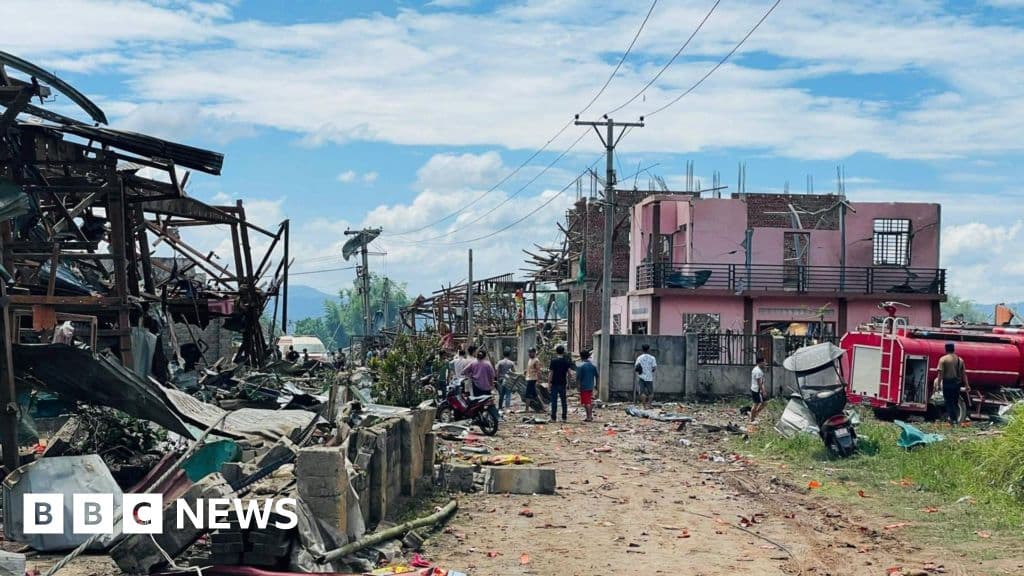
A devastating explosion in Myanmar's Kaung Tat village has killed at least 55 people, raising serious safety concerns and questions about civilian protection in conflict zones.
BBC World