
Image: Mint (Business)
The Pentagon's proposed $200 billion funding for Iran sparks debate in Congress. What does this mean for U.S. military strategy and spending priorities?
GlipzoIn a bold move that is raising eyebrows across political aisles, the Pentagon is requesting an additional $200 billion to bolster its military efforts in Iran. This staggering funding proposal is poised to undergo rigorous examination by Congress, especially since any new allocation requires legislative approval. According to the Associated Press, this information comes from a senior administration official who remains unnamed, as the request has yet to be officially unveiled.
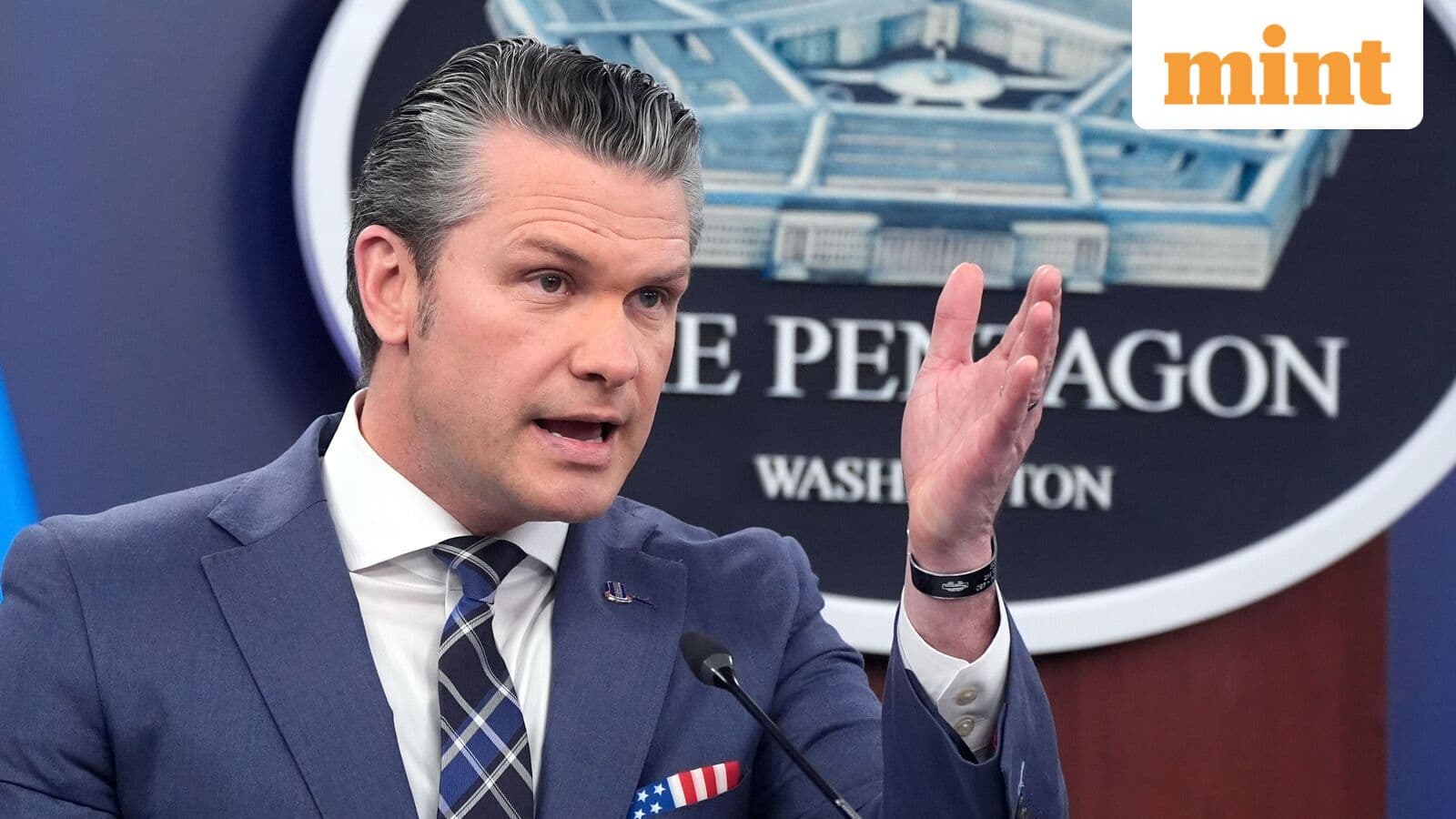
The funding push comes at a time when the Biden administration is facing mounting pressures regarding its military strategies overseas. Defense Secretary Pete Hegseth articulated the administration's stance during a press briefing on March 18, asserting that financial resources are crucial for effective military operations. "It takes money to kill bad guys," Hegseth remarked, signaling the administration's commitment to securing the necessary funds to support ongoing missions.
Despite the administration's confidence, the path to securing this funding is fraught with challenges. Lawmakers are gearing up to address the supplemental funding request, but there is still ambiguity surrounding whether the White House has formally submitted the proposal to Congress for deliberation. As reported by the Associated Press, this lack of clarity is raising alarms among legislators who are increasingly worried about the implications of such a large financial commitment.
The request for additional funds for military operations in Iran has ignited a debate on Capitol Hill, with both parties expressing unease regarding the scale and strategic objectives of the ongoing conflict. The absence of a formal authorization for the war only amplifies these concerns, leading to questions about the administration's long-term strategy and goals in the region.
The proposed $200 billion funding boost carries significant implications, not only for the Pentagon but also for U.S. foreign policy and military engagements. Here are some critical factors to consider:
The ramifications of this funding request extend beyond immediate military needs. The decision to allocate such a large sum of taxpayer dollars will reflect the U.S. government's commitment to its strategic interests in the Middle East and its readiness to engage in prolonged military action. Furthermore, it underscores the ongoing debate over military spending priorities in a time of increasing domestic demands.
The Pentagon's request for additional funds is also indicative of the broader geopolitical landscape. As tensions with Iran continue to simmer, the U.S. must navigate complex diplomatic relationships while managing domestic expectations regarding military expenditures.
As Congress prepares to review the Pentagon's funding request, all eyes will be on how lawmakers react to this ambitious proposal. The coming weeks will likely see intense discussions and negotiations, particularly surrounding the justifications for such a hefty financial commitment.
Key points to watch include:
In conclusion, the Pentagon's request for $200 billion not only highlights the financial demands of ongoing military operations but also opens the door to critical conversations about the future of U.S. military strategy in Iran and beyond. As the situation develops, stakeholders in both government and the public will be watching closely to determine the implications of this significant funding proposal.

Tensions soar as the US and Iran engage in air strikes near the Strait of Hormuz, raising concerns over global oil supply and regional stability.
BBC World
Trump's international interventions face serious stalemates. What will this mean for U.S. foreign policy? Explore the critical challenges ahead.
Indian Express
Tehran denies resignation of President Masoud Pezeshkian amid claims of IRGC influence. What does this mean for Iran's political stability? Click to learn more!
Indian Express