
Image: Indian Express
Panic buying of fuel in Odisha leads to long queues and disruptions for gig workers. Government assures adequate supply, but concerns remain high.
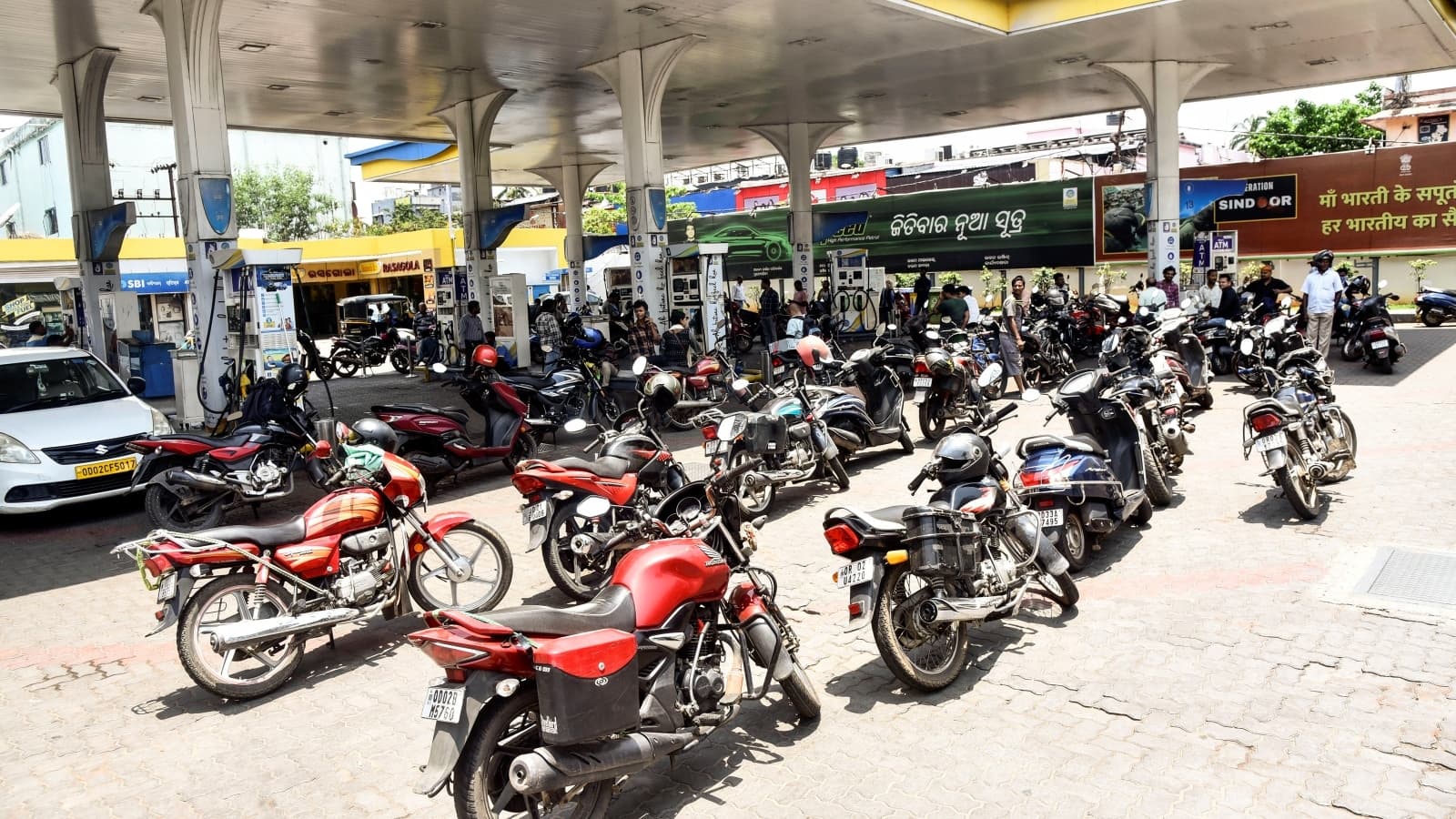
GlipzoIn a surprising turn of events, Odisha is currently facing significant disruptions as panic buying of fuel has led to numerous fuel stations running dry. The situation has raised alarm among gig workers and private bus operators, who are struggling to cope with the fallout. Despite the government's assurances that sufficient fuel stocks are available, the state is witnessing unprecedented demand as residents rush to fill their tanks.
On Friday, fuel stations across Odisha were bustling with activity as people hurried to purchase petrol and diesel. Reports indicated that many were buying fuel in large barrels and drums, a clear sign of the desperation felt by the public. In Bhubaneswar, long queues formed, with some motorists waiting up to three hours to refuel their vehicles. To manage the chaos, police were deployed outside various fuel stations in both Bhubaneswar and Cuttack.
The surge in fuel demand has severely impacted private bus operations throughout Odisha. The private bus owners’ association reported that nearly 2,000 buses have been taken off the roads due to fuel shortages, particularly in rural areas. In response to the crisis, the association convened a meeting with the State Transport Authority (STA) to explore potential solutions.
The state government is actively addressing the situation by engaging with oil companies and urging citizens to refrain from panic buying. Krushna Chandra Patra, Odisha’s Food Supplies and Consumer Welfare Minister, reassured the public that the state has enough fuel reserves to last for several days. He stated, “The situation was due to panic buying by some people, who continued to purchase more fuel than they required… Because of this, the demand has suddenly spiked by nearly 50%.”
Kamal Sheel, the chief general manager of Indian Oil Corporation Limited, echoed these sentiments, stating that there is no need for panic or hoarding. According to official reports, Odisha requires approximately 45 lakh litres of petrol and over 1 crore litres of diesel daily, with a minimum stock maintained for about 15 days.
Despite these assurances, the reality on the ground tells a different story. Gig workers, who rely heavily on consistent fuel availability for their livelihoods, are expressing frustration and concern. Many are questioning the government’s claims of sufficient supply.
Among those affected is Kamalakanta Barik, a delivery worker in Bhubaneswar. He shared his plight while waiting for fuel, stating, “The state government is claiming that there is adequate fuel, but why do we have to wait for two to three hours to get one or two litres of petrol? If we spend hours just to refuel our vehicle, how do we devote time to work and earn a living? How do we run our family in such a situation?” His comments highlight the challenges many gig workers face amid the ongoing fuel crisis.
Ashok Rout, a bike taxi operator, expressed similar frustrations, emphasizing the potential loss of income. “If the situation continues, we will lose whatever meagre income we used to earn, and we’ll have to leave this place with our family. The government only makes tall claims and does nothing for the common people,” Rout lamented.
In light of the overwhelming demand, numerous fuel stations have implemented restrictions on fuel sales, capping purchases at Rs 200 for two-wheelers and Rs 1,000 for four-wheelers. These measures aim to ensure that more people can access fuel despite the growing demand.
The situation in Odisha is a stark reminder of the fragility of supply chains, especially during times of crisis. The panic buying reflects not just a fear of scarcity but also the deep reliance on fuel for daily life, particularly for gig workers and transportation services.
This crisis highlights the importance of effective communication from government authorities during times of uncertainty. Misinformation and panic can lead to unnecessary shortages, impacting everyday lives and economies. As the government continues to assure the public of adequate fuel supplies, the emphasis should be on restoring confidence and addressing the needs of those most affected.
As the situation develops, it will be critical to monitor how the government responds to the ongoing challenges. Will they implement measures to ensure fuel availability and prevent future panic buying? Will gig workers receive the support they need during this difficult time? The coming days will be pivotal in determining how quickly normalcy returns to the fuel supply in Odisha and how well the government can manage public perception amidst such crises.
The actions taken now will likely shape the future of fuel distribution and gig work in the region, making it a situation worth watching closely.
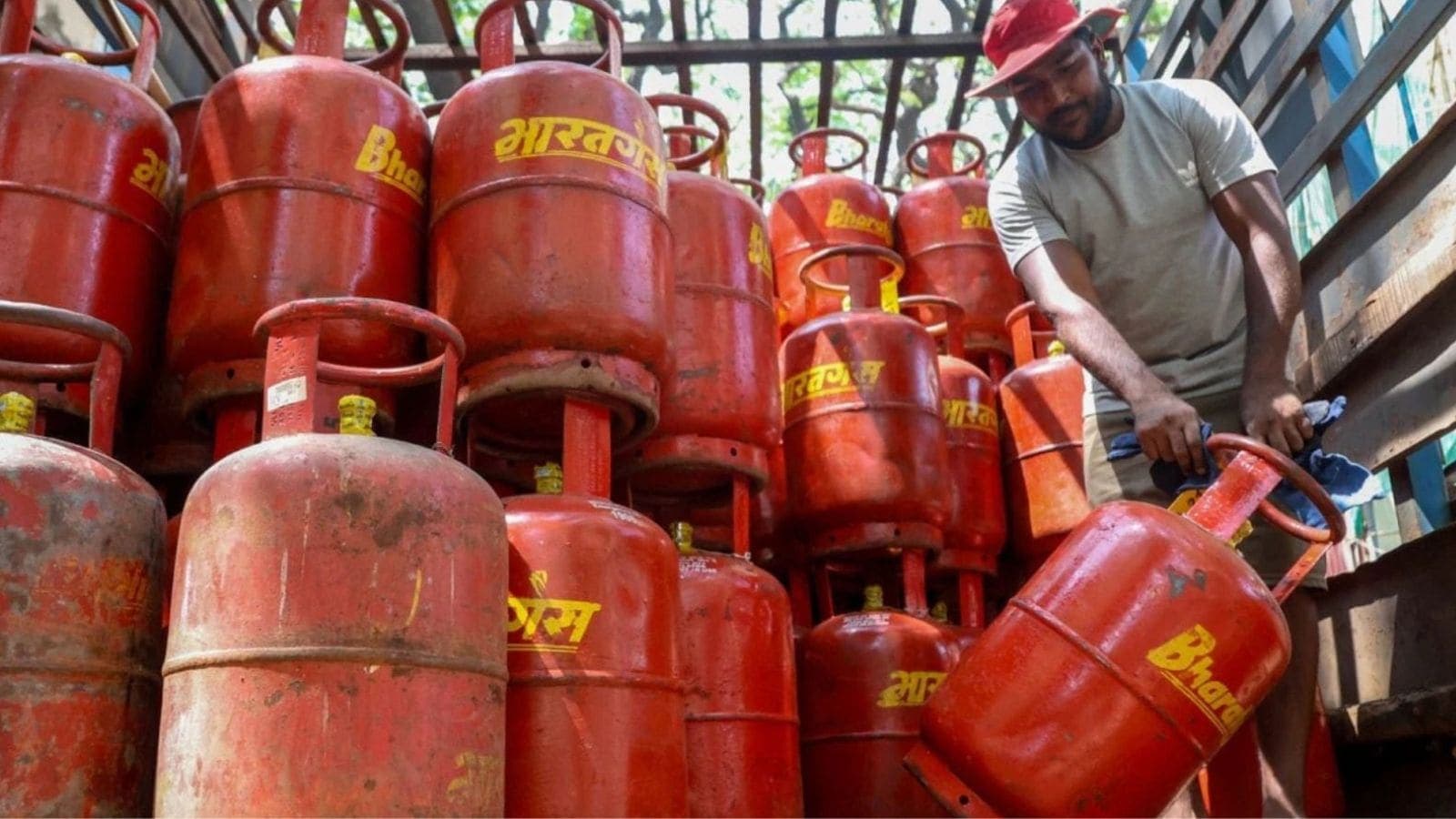
Commercial LPG prices have risen again, with increases of ₹42 in Delhi and ₹53.50 in Kolkata impacting businesses and consumers alike. Find out more.
Indian Express
Discover how a tragic coal mine explosion in Shanxi, China, reveals ongoing safety concerns in the industry amidst a push for green energy.
BBC Business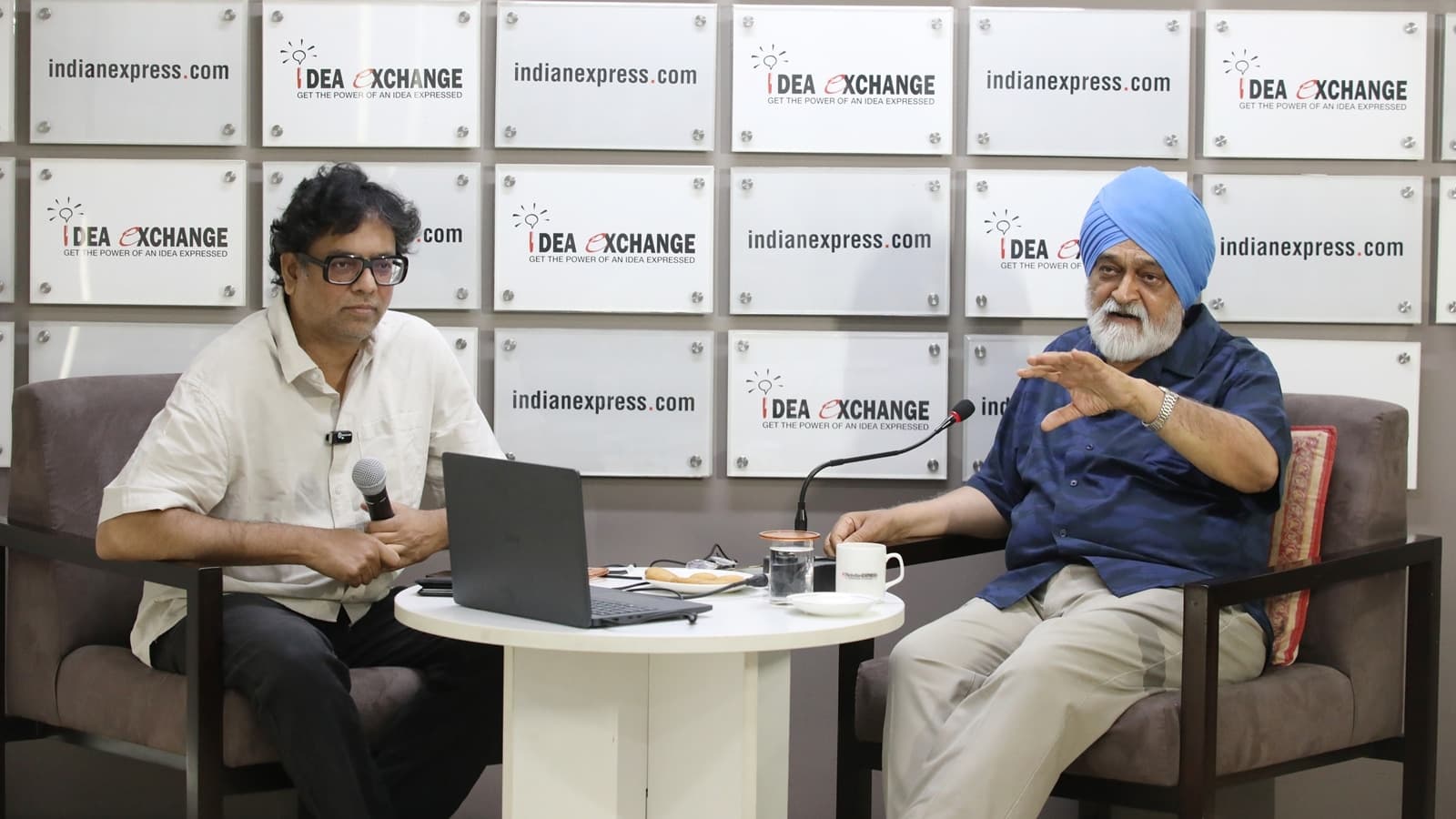
Montek Singh Ahluwalia highlights key economic challenges for India, emphasizing the need for a strategic approach to balance payments and investment.
Indian Express