

Image: The Hindu
Panic buying in West Asia is driving a surge in rice exports, despite rising logistics costs. Discover the implications for exporters and global markets.
GlipzoA notable trend has emerged in the global rice market as panic buying in West Asian countries has led to a significant increase in rice and food product exports from India. Reports indicate that exporters are experiencing heightened demand, despite facing escalating logistics costs that have risen dramatically in recent months.
On March 20, 2026, industry leaders highlighted that geopolitical unrest typically triggers a surge in food demand, as consumers rush to stock up on essentials. Rahul Suri, the Director of Amir Chand Jagdish Kumar (Exports) Ltd, a prominent trading house specializing in rice exports, emphasized this correlation, stating, "Whenever such geopolitical issues arise, we see an uptick in demand as people tend to buy double the quantity to store in their homes."
This pattern has been observed time and again, confirming that in times of uncertainty, consumers prioritize securing their food supplies. The current situation is no exception, as demand for rice has spiked, further exacerbated by logistical challenges and rising costs.
While the demand is soaring, the export process is not without its complications. Freight costs have doubled, and insurance costs have tripled, leading to price increases in the West Asian markets. Despite these challenges, Suri noted that many consumers are willing to pay higher prices for rice and other food products due to the urgency of their needs.
Suri reassured that the spike in costs is not hindering exports significantly. "Due to the increased demand from West Asian countries, we do not face any issues with our export volumes," he said confidently.
A positive development in the export landscape is the reopening of several ports across West Asia, which has eased some logistics challenges. This reopening is crucial as it provides exporters with alternative routes and facilitates smoother transportation of goods.
Suri elaborated, "Recently, many ports in West Asian countries have opened up, providing new avenues for our exports. However, the costs associated with freight and insurance remain higher than usual, which could influence final pricing for consumers."
As the exports ramp up, it is evident that panic buying is not just a short-term reaction but could lead to sustained increases in consumption in the coming weeks. This pattern is critical for exporters to monitor as it shapes their strategies and pricing approaches.
The implications of this panic buying extend beyond just the rice sector. It reflects a broader trend where geopolitical instability can disrupt markets, leading to fluctuating prices and supply chain challenges across various industries.
As consumers in West Asia prioritize securing their food supplies, the market dynamics could shift significantly. This situation highlights the importance of understanding consumer behavior during crises and how it influences global trade patterns.
As we move forward, it will be crucial for rice exporters and stakeholders in the food supply chain to remain vigilant. Monitoring geopolitical developments will be essential in predicting future demand and pricing trends.
Exporters should also consider diversifying their logistics strategies to mitigate risks associated with rising costs.
Key points to watch in the coming months include: - Continued geopolitical developments that could affect consumer behavior. - Changes in logistics costs, particularly freight and insurance, which could fluctuate based on global supply chain dynamics. - The potential for increased competition among exporters as they vie for market share in a high-demand environment.
In conclusion, while the current panic buying trend presents challenges, it also offers opportunities for growth and adaptation within the food export sector. Stakeholders must be agile and proactive as they navigate this evolving landscape.
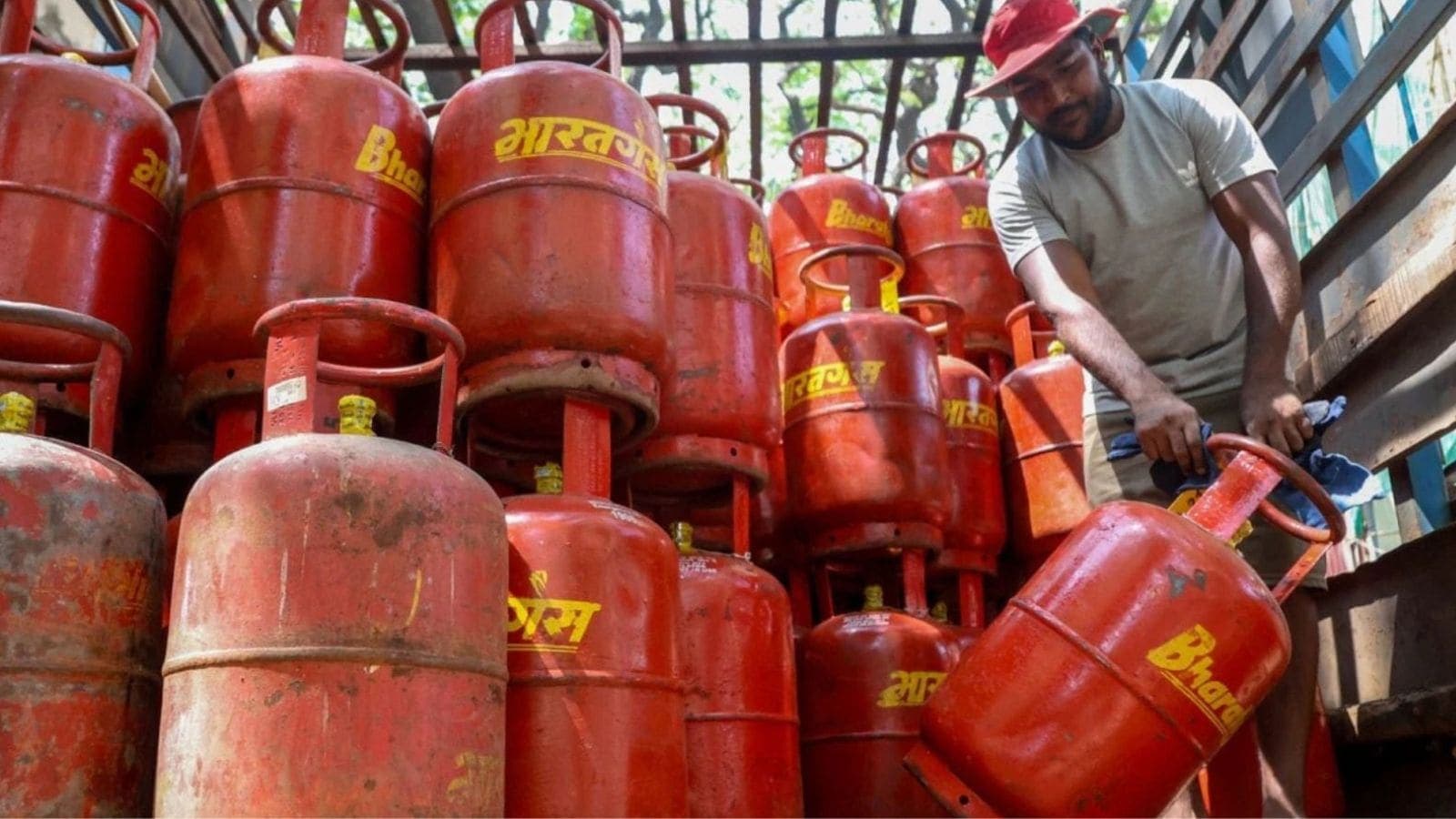
Commercial LPG prices have risen again, with increases of ₹42 in Delhi and ₹53.50 in Kolkata impacting businesses and consumers alike. Find out more.
Indian Express
Discover how a tragic coal mine explosion in Shanxi, China, reveals ongoing safety concerns in the industry amidst a push for green energy.
BBC Business
Montek Singh Ahluwalia highlights key economic challenges for India, emphasizing the need for a strategic approach to balance payments and investment.
Indian Express