
Image: Mint (Business)
A viral clip reveals a pani puri vendor's shocking ₹90,000 monthly earnings, igniting debate on entrepreneurship and traditional careers.
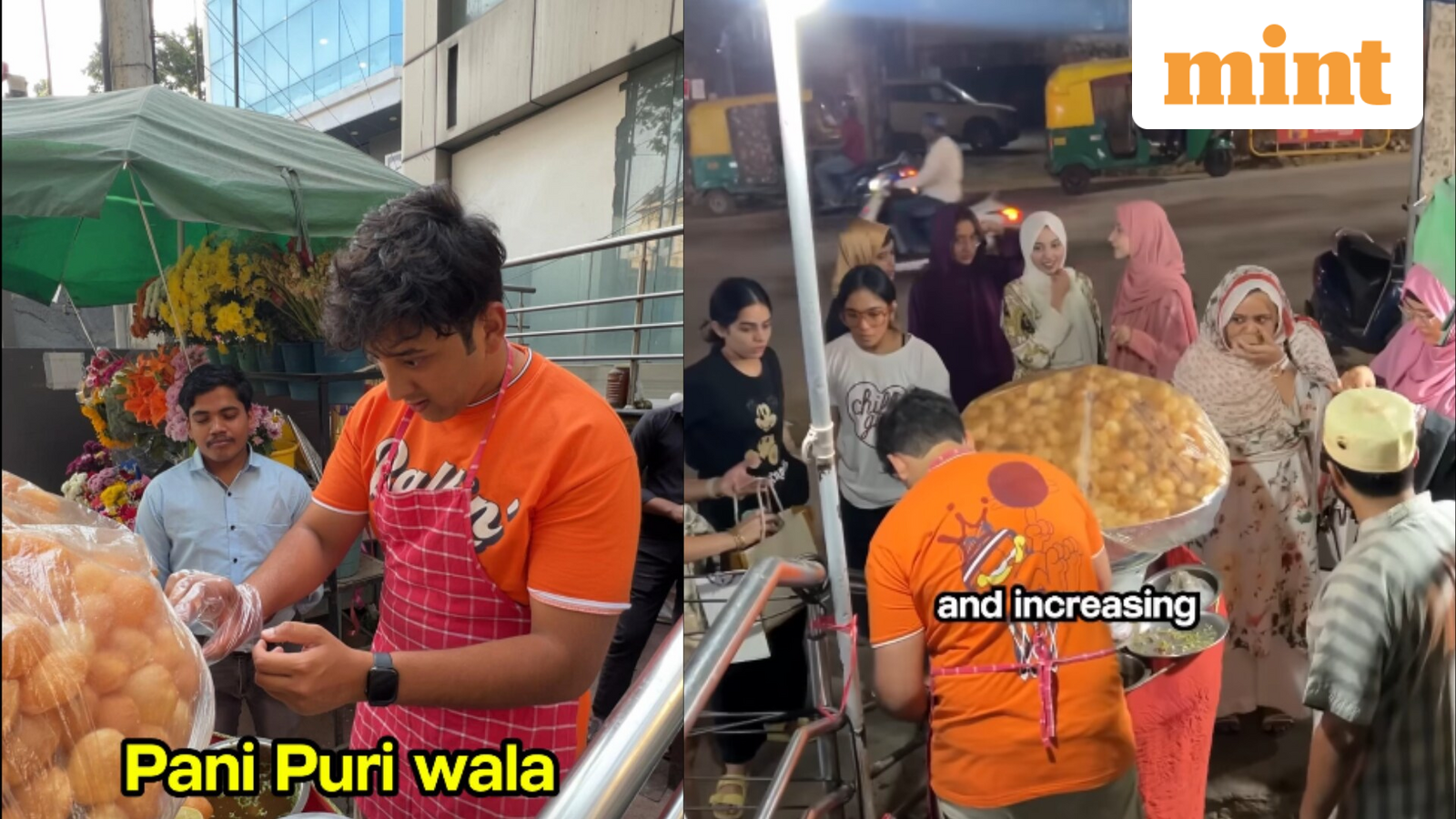
GlipzoIn a surprising turn of events, a pani puri vendor has captured the attention of social media users after a content creator revealed his impressive earnings of ₹90,000 per month. This revelation has sparked a wave of astonishment online, as many struggle to comprehend how a street food seller can earn more than some traditional jobs. The story took off when Cassy Pareira, a digital influencer, spent a day working alongside the vendor, sharing his experiences and the impressive figures involved.
During his time at the stall, Pareira took on various responsibilities, from preparing ingredients to serving customers. His firsthand account revealed that the vendor's stall was bustling, selling more than 120 puris in just one hour. The vendor operates from 4 PM to 10 PM daily, with each plate priced at ₹30. On average, the stall sells between 80 to 100 plates each day, leading to an estimated daily income of ₹3,000.
Based on Cassy Pareira’s calculations, the vendor’s monthly income is approximately ₹90,000, which translates to about ₹10.8 lakh annually. The detailed breakdown is compelling: - Operating Hours: 6 hours daily - Daily Sales: 80 to 100 plates - Plate Price: ₹30 each - Daily Income: ₹3,000 - Monthly Income: ₹90,000
Pareira’s video not only showcased the vendor’s thriving business but also highlighted the overwhelming support from customers, calling their response “amazing.” The viral nature of the clip prompted discussions about the realities of street food entrepreneurship, with viewers expressing both admiration and skepticism.
As the video gained traction, social media users reacted with a mix of awe and disbelief. Some praised the vendor’s entrepreneurial spirit, while others raised questions about the realism of the income claims. Comments ranged from: - “His earnings are more than my CTC.” - “The best thing about owning a food shop is free food for life.” - “He has a personal issue with BCom graduates.” - “But how much does a BCom graduate make?”
The contrasting reactions reflect a broader conversation about financial success in unconventional careers versus traditional education paths. This vendor’s story serves as a reminder that entrepreneurship can thrive even in the most unexpected niches.
This isn't the first time a pani puri vendor has made headlines. Recently, a vendor from Tamil Nadu came under the scrutiny of Goods and Services Tax (GST) authorities after reportedly receiving online payments totaling ₹40 lakh during the 2023–24 financial year. The vendor was summoned under Section 70 of the Tamil Nadu GST Act, indicating that businesses with an annual turnover exceeding ₹40 lakh must comply with taxation laws.
This incident underscores the growing significance of street vendors in the economy and raises questions about the regulatory environment surrounding their businesses. As street food gains popularity, both the success stories and challenges faced by these vendors are coming to the forefront.
This viral story about the pani puri vendor is more than just a shocking income revelation; it opens up discussions about entrepreneurship, economic opportunities in informal sectors, and the changing perceptions of success in India. It reflects how traditional street food can evolve into a lucrative business venture, challenging conventional career paths.
As the digital landscape continues to showcase such entrepreneurial narratives, it will be important to monitor how these stories influence public perception of small businesses. The growing online presence of street vendors can inspire others to explore non-traditional career options, potentially leading to an increase in entrepreneurial ventures across various sectors.
As this story continues to circulate, it raises intriguing questions about the future of street food entrepreneurship in India. Will more vendors step into the limelight and share their success stories? How will social media influence consumer behavior and perceptions of street food?
Moreover, as street food becomes increasingly popular, it is crucial to consider how regulatory frameworks might evolve to support these entrepreneurs while ensuring compliance with tax laws. This situation could lead to positive changes, promoting fair practices and enhanced support for small business owners.
In conclusion, the story of the pani puri vendor is a reminder of the potential for success beyond conventional job paths. As we watch this narrative unfold, it may inspire a new wave of entrepreneurs eager to carve out their niche in the bustling world of street food.
Disclaimer: This article relies on user-generated content from social media platforms, and the claims made herein have not been independently verified.
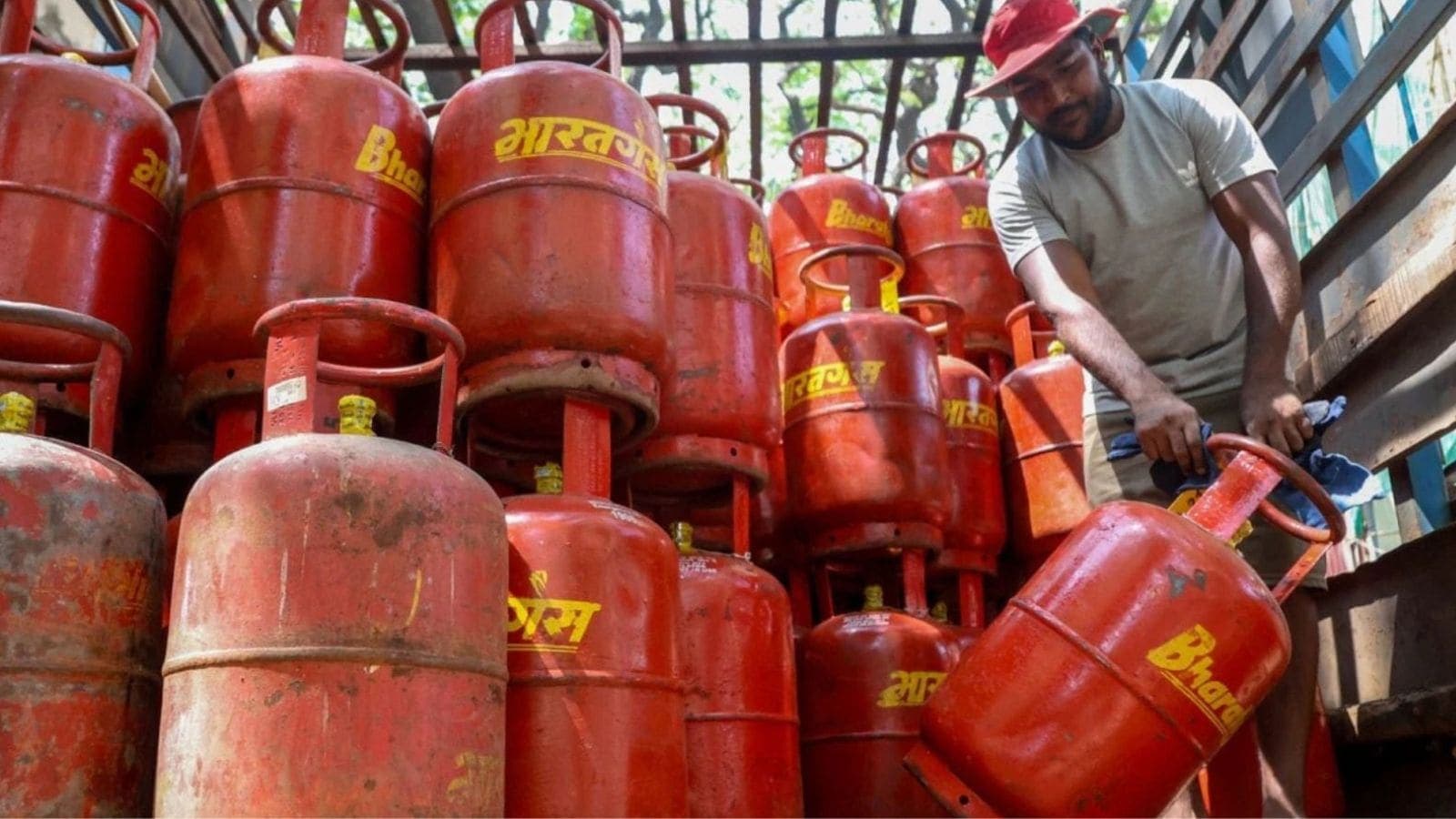
Commercial LPG prices have risen again, with increases of ₹42 in Delhi and ₹53.50 in Kolkata impacting businesses and consumers alike. Find out more.
Indian Express
Discover how a tragic coal mine explosion in Shanxi, China, reveals ongoing safety concerns in the industry amidst a push for green energy.
BBC Business
Montek Singh Ahluwalia highlights key economic challenges for India, emphasizing the need for a strategic approach to balance payments and investment.
Indian Express