
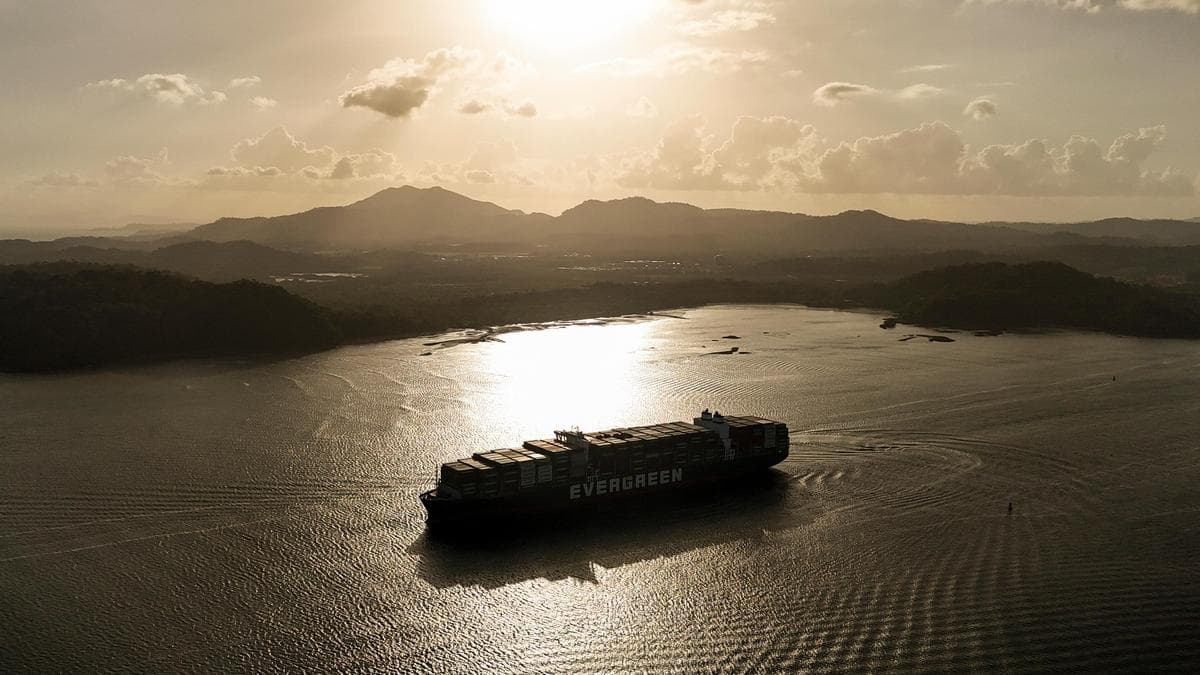
Image: The Hindu
The Panama Canal is operating at peak capacity due to increased LNG traffic amid the Iran conflict, reshaping global shipping routes.
GlipzoOn March 20, 2026, the Panama Canal is experiencing unprecedented traffic, reporting a daily passage of 36 to 38 vessels. This surge is largely attributed to the ongoing conflict involving Iran, which has significantly increased the demand for liquefied natural gas (LNG) transport. Ricaurte Vasquez, the head of the Panama Canal Authority, shared these insights with the press, highlighting an emerging trend that positions the canal as a critical route for LNG exports from the United States.
The geopolitical landscape has shifted dramatically since the onset of hostilities in the region, particularly affecting shipping routes such as the Suez Canal. With the Strait of Hormuz—a vital artery for energy transportation from nations including Kuwait, Qatar, and Bahrain—now closed, many shipping operators are turning to the Panama Canal as a safer alternative.
Mr. Vasquez indicated that the demand for LNG tankers is especially robust among vessels departing from U.S. ports. The Panama Canal, already the world's second-busiest waterway, had seen a rise in LNG traffic prior to the war, but the current situation has accelerated this trend. The authority is now preparing to accommodate an additional daily slot for LNG tankers, a significant increase from the four slots per month that were available previously.
This strategic pivot comes after a period of drought that forced the canal to impose restrictions on vessel passage from 2023 to 2024. Vasquez reassured stakeholders that sufficient water levels have returned, enabling the canal to operate at peak capacity.
The Panama Canal's ability to handle more vessels comes at a crucial time, with the authority stating that the average transit of 34 vessels predicted for this fiscal year has already been exceeded. Vasquez emphasized that cargoes are essential and that the Panama Canal remains the shortest route for these shipments, capable of managing additional traffic.
Interestingly, the canal typically experiences a seasonal dip in demand from container ships originating from Asia during the January-March period. This seasonal lull creates an opportunity for LNG tankers to secure more transit slots, effectively balancing the traffic flow through this strategic waterway.
Looking forward, the Panama Canal is poised to remain a pivotal logistics hub as global energy dynamics shift in response to geopolitical events. The ongoing conflict in Iran is likely to sustain the heightened demand for LNG transportation, reinforcing the canal's role in the international shipping landscape.
As the situation evolves, stakeholders will be closely monitoring several key factors: - Continued Geopolitical Developments: How the conflict in Iran influences global shipping routes. - Traffic Management: The Panama Canal's ability to sustain increased traffic without compromising efficiency. - Market Response: How LNG prices and availability fluctuate in reaction to shipping dynamics.
The Panama Canal’s resurgence as a major transit option amidst geopolitical strife represents not just a logistical shift, but also a broader commentary on how global events can reshape trade routes and strategies in real time. As energy demands escalate, the canal’s strategic importance is becoming increasingly clear, with potential implications for both regional and global markets.
In conclusion, the Panama Canal is not only weathering the storms of geopolitical uncertainty but is also leveraging them to enhance its operational capacity and relevance in international trade—a development that will be pivotal for stakeholders across the energy sector and beyond.
Why It Matters: The ongoing conflict in Iran is reshaping global shipping routes, making the Panama Canal an increasingly vital player in the LNG market and impacting energy supply chains worldwide.
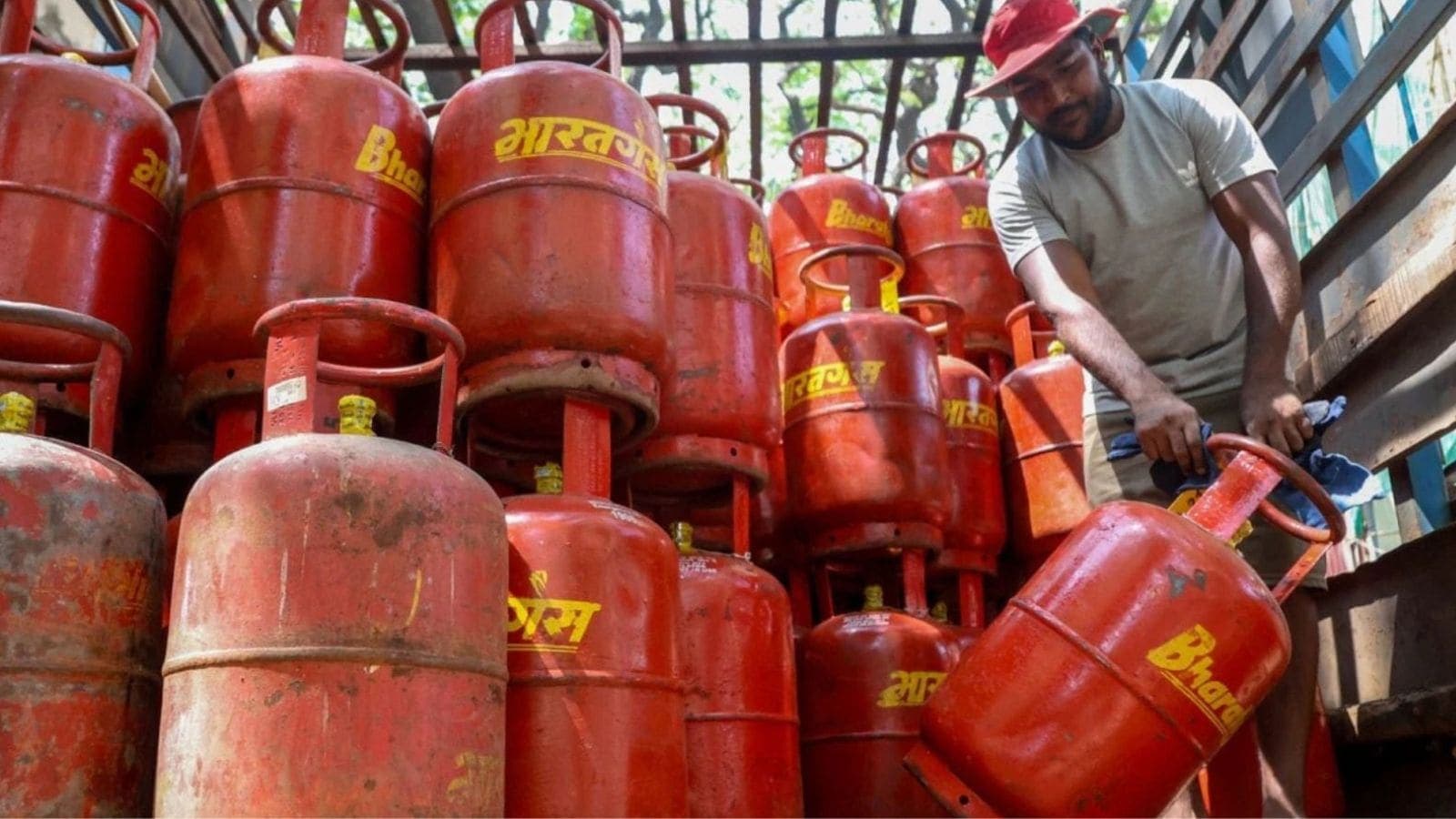
Commercial LPG prices have risen again, with increases of ₹42 in Delhi and ₹53.50 in Kolkata impacting businesses and consumers alike. Find out more.
Indian Express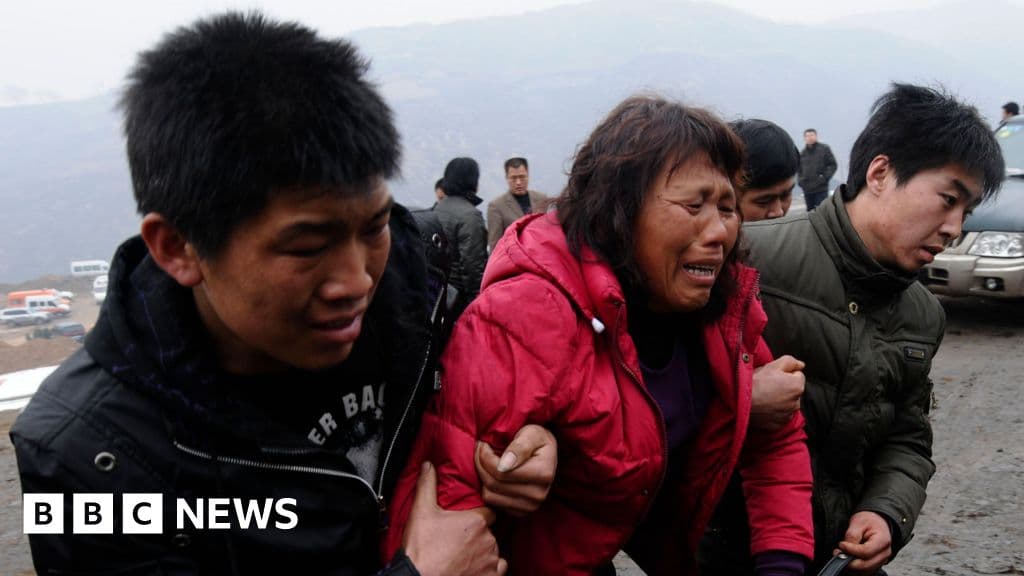
Discover how a tragic coal mine explosion in Shanxi, China, reveals ongoing safety concerns in the industry amidst a push for green energy.
BBC Business
Montek Singh Ahluwalia highlights key economic challenges for India, emphasizing the need for a strategic approach to balance payments and investment.
Indian Express