
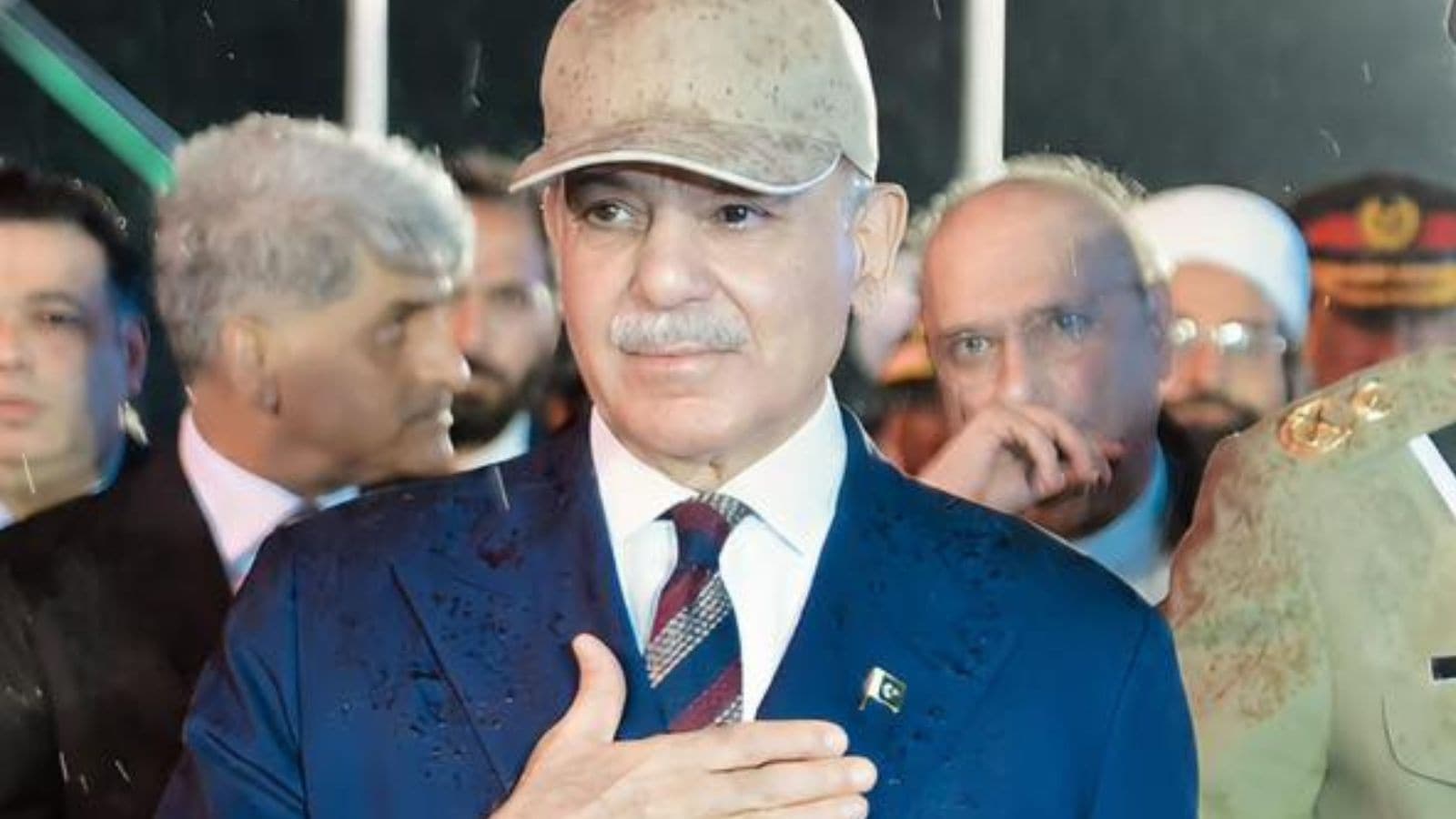
Image: Indian Express
Pakistan extends austerity measures to combat the fallout from the global oil crisis, affecting fuel allowances and government expenses. What’s next for the economy?
GlipzoIn a decisive move to tackle the economic repercussions of the global oil crisis, Pakistan has announced an extension of its emergency austerity measures until June 13, 2026. This decision, made by Prime Minister Shehbaz Sharif, comes in response to the escalating economic fallout from the conflict in West Asia, particularly following the US-Israeli attacks on Iran on February 28. The announcement underscores the government’s commitment to managing the severe impact on the nation’s economy stemming from skyrocketing oil prices.
These austerity measures, which were first implemented on March 9, aim to conserve fuel and stabilize the economy as international oil prices continue to fluctuate dramatically. The recent crisis has prompted not only Pakistan but also neighboring India, where Prime Minister Narendra Modi has urged citizens to adopt similar austerity measures to mitigate the effects of the global situation.
The extension announced by PM Sharif includes a series of stringent regulations aimed at cutting down fuel consumption across various sectors. Key provisions of the austerity package are as follows:
To ensure these austerity measures are effectively implemented, the government has tasked the Intelligence Bureau with conducting independent audits.
This extension of austerity measures comes at a time when the economic landscape in Pakistan is particularly precarious. The ongoing conflict in West Asia, along with rising crude oil prices, has exacerbated inflation and hindered economic growth. The government’s proactive approach is aimed at not just immediate relief but also longer-term stabilization of the economy.
Moreover, the austerity measures in Pakistan are reflective of a broader trend in the region. On May 10, Prime Minister Modi called on the Indian populace to engage in similar cost-saving behaviors, urging them to minimize overseas travel, delay luxury purchases, and prioritize local products and services. His call to action included practical tips such as using public transport and electric vehicles to conserve resources.
As Pakistan navigates these challenging economic waters, the next few months will be critical. The government’s ability to adhere to these austerity measures and their effectiveness in curbing fuel consumption will be closely monitored by both citizens and market analysts. Key areas to keep an eye on include:
In conclusion, the extension of emergency austerity measures in Pakistan highlights the government's proactive stance in the face of a multifaceted economic crisis. As the situation develops, the effectiveness of these measures will be pivotal in determining the country's economic resilience in the months to come.
The decision to extend austerity measures is not just a financial strategy; it reflects the urgency of addressing economic instability in Pakistan. By implementing these policies, the government aims to safeguard the economy against volatile global oil prices, ensuring that resources are conserved during a time of crisis. This situation is a stark reminder of how global events can have localized impacts, influencing policy decisions far beyond their immediate geographic boundaries. The ongoing developments will be crucial in shaping the economic landscape of the region for years to come.
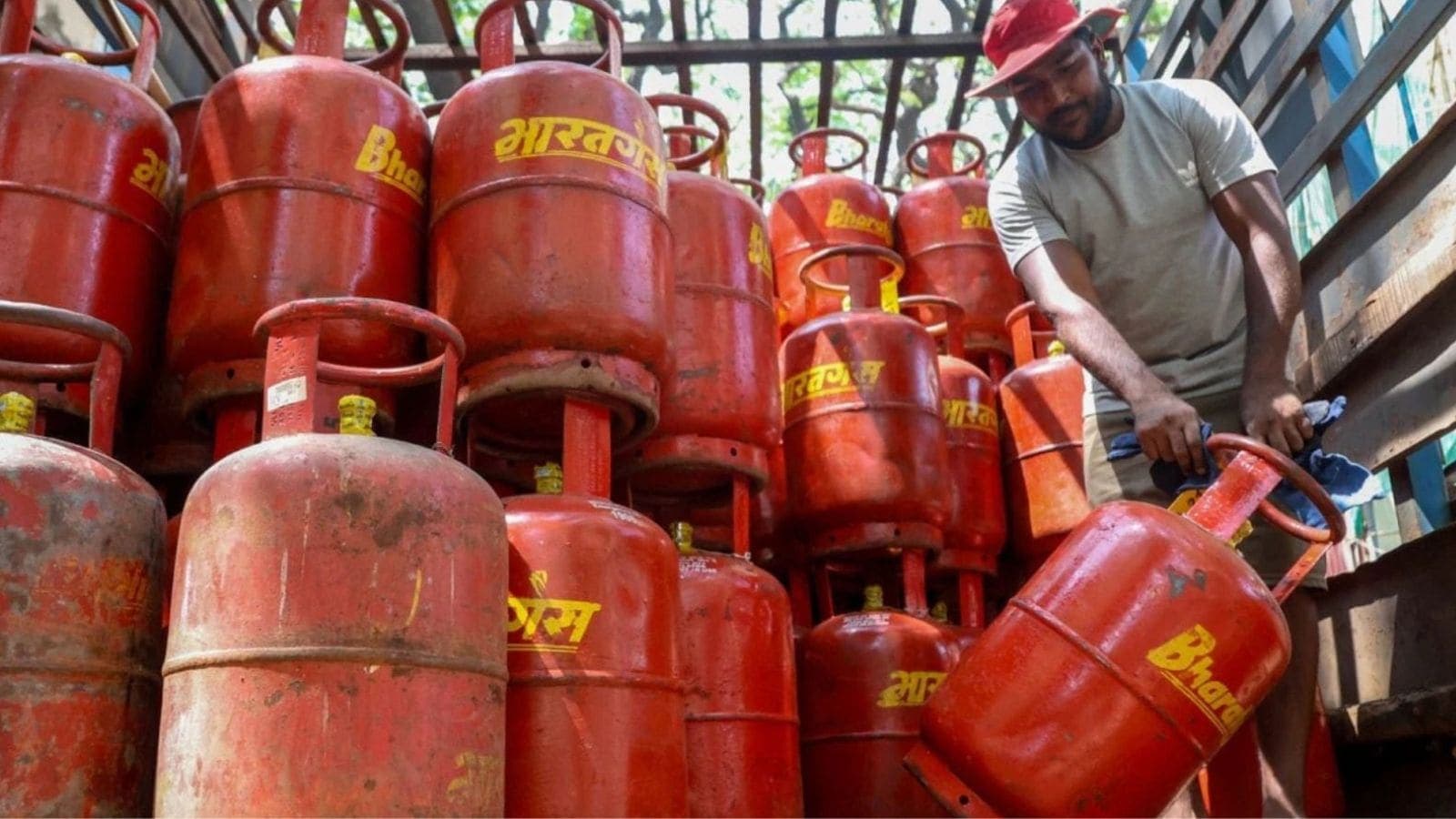
Commercial LPG prices have risen again, with increases of ₹42 in Delhi and ₹53.50 in Kolkata impacting businesses and consumers alike. Find out more.
Indian Express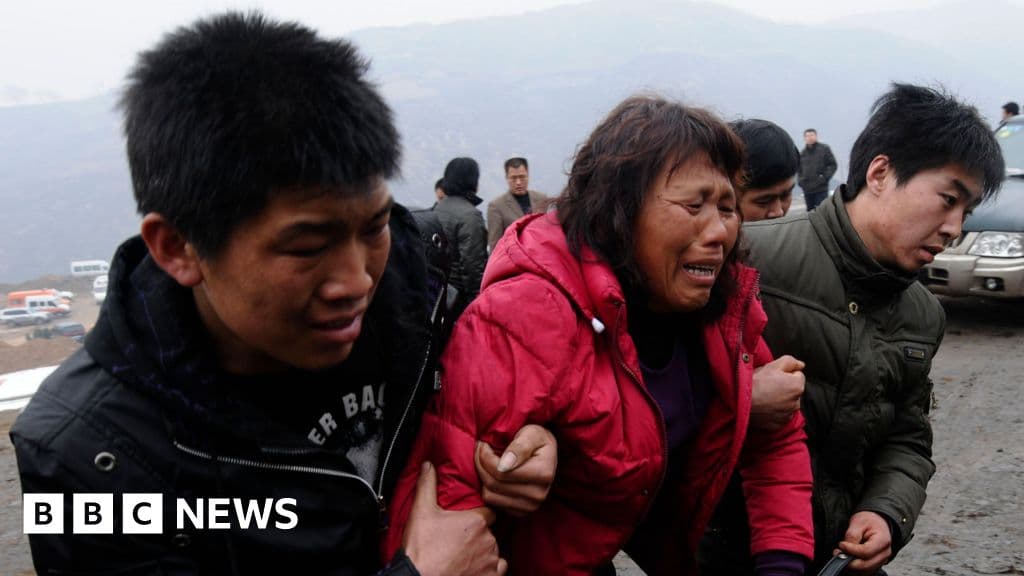
Discover how a tragic coal mine explosion in Shanxi, China, reveals ongoing safety concerns in the industry amidst a push for green energy.
BBC Business
Montek Singh Ahluwalia highlights key economic challenges for India, emphasizing the need for a strategic approach to balance payments and investment.
Indian Express