
Image: BBC World
Over 1.5 million pilgrims embark on Hajj in Saudi Arabia amid rising tensions from the Iran conflict. What does this mean for the future of the pilgrimage?
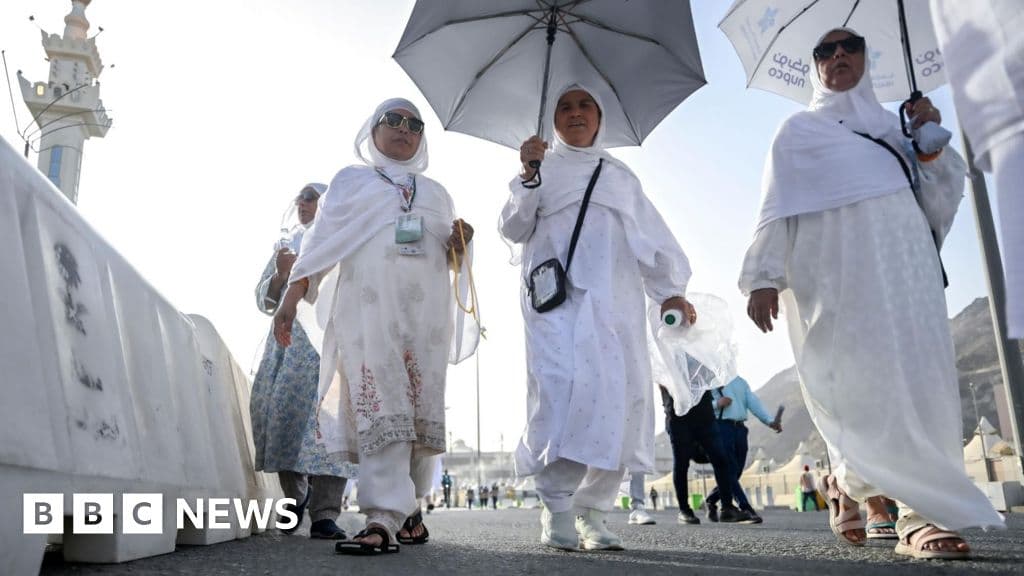
GlipzoIn a remarkable show of faith, over 1.5 million foreign pilgrims have commenced their annual Hajj pilgrimage in Saudi Arabia, despite escalating tensions stemming from the ongoing conflict involving Iran, the U.S., and Israel. This year, approximately 1.51 million pilgrims have arrived, marking an increase of 11,000 from the previous year. As the world watches, the pilgrimage unfolds against a backdrop of uncertainty and conflict, raising questions about safety and regional stability.
The Hajj, a sacred journey that every able-bodied Muslim is required to undertake at least once in their lifetime, is taking place during a time when the fragile peace in the region hangs by a thread. Following a recent ceasefire, fears remain high due to heightened military activity, including missile and drone strikes from Iran aimed at Saudi Arabia. On March 8, a tragic incident resulted in the deaths of two civilians in al-Kharj and a U.S. service member stationed at the nearby Prince Sultan Air Base.
In response to these threats, the Saudi defense ministry has ramped up security measures, releasing a video showcasing air defense systems positioned around the holy city of Mecca. The ministry emphasized that these air defense forces are dedicated to safeguarding the skies over the sacred sites and managing any aerial risks to ensure the safety and well-being of the pilgrims. As the situation evolves, the Saudi authorities remain vigilant in providing a secure environment for those participating in the pilgrimage.
Pilgrims have expressed their hopes for peace as they engage in this significant spiritual journey. Mohammed Chahada, an Egyptian pilgrim in his 50s, shared his aspirations for peace between the U.S. and Iran, emphasizing the global impact of the ongoing hostilities. “The war in Iran has affected the entire world. Nobody wants wars or harm to countries and peoples,” he remarked while leaving the Grand Mosque in Mecca, which is regarded as Islam's holiest site.
The emotional significance of the Hajj is palpable among participants, many of whom have faced various obstacles leading up to the pilgrimage. Issues such as air traffic disruptions and soaring travel costs have cast uncertainty over the journey for many. Yet, the sense of fulfillment is evident among those who have finally arrived.
“I have wanted to perform the pilgrimage my entire life, for 40 or 50 years,” said Jreish Mohammed, a 68-year-old Moroccan pilgrim. “And this year, my dream came true.” Such sentiments resonate deeply, highlighting the profound importance of the Hajj in the lives of millions of Muslims worldwide.
Pilgrims are currently facing extreme weather conditions, with temperatures soaring to 45°C (113°F) on the first day of the Hajj. Participants began by circling the Kaaba, a ritual known as tawaf, which involves walking around the cube-shaped structure seven times, symbolizing unity among worshippers. After this initial rite, they will proceed to Mina, a nearby location where they will spend the night in tents before making their way to Mount Arafat.
The journey to Mount Arafat is particularly significant, as it is here that the Prophet Muhammad delivered his final sermon. This day of prayer, known as Day of Arafah, is regarded as the pinnacle of the Hajj experience, where pilgrims engage in deep spiritual reflection and seek forgiveness for their sins.
The Hajj is one of the Five Pillars of Islam, an essential practice that reinforces the faith and unity of the Muslim community. The pilgrimage is not only a personal journey but also a collective expression of devotion, drawing millions from various backgrounds to share in this sacred experience.
Looking ahead, the continuation of the Hajj under the shadow of potential conflict raises critical questions about safety and security for future pilgrimages. As the world observes the developments in the region, the implications of the ongoing tensions will undoubtedly affect the dynamics of international relations and travel policies.
While the current pilgrimage is proceeding, the global Muslim community remains anxious about the broader consequences of escalating hostilities. Observers will be keenly watching how Saudi Arabia navigates these challenges and maintains the safety and sanctity of the Hajj in the years to come. Will the ceasefire hold, and can peace be restored? The resolution of these conflicts will be pivotal for the future of the Hajj and the stability of the region as a whole.
In conclusion, despite the tumultuous environment, the spirit of Hajj shines brightly, reminding the world of the enduring faith and resilience of the Muslim community. As pilgrims engage in their sacred rituals, their hopes for peace resonate far beyond the boundaries of Saudi Arabia, reflecting a universal desire for stability and harmony.
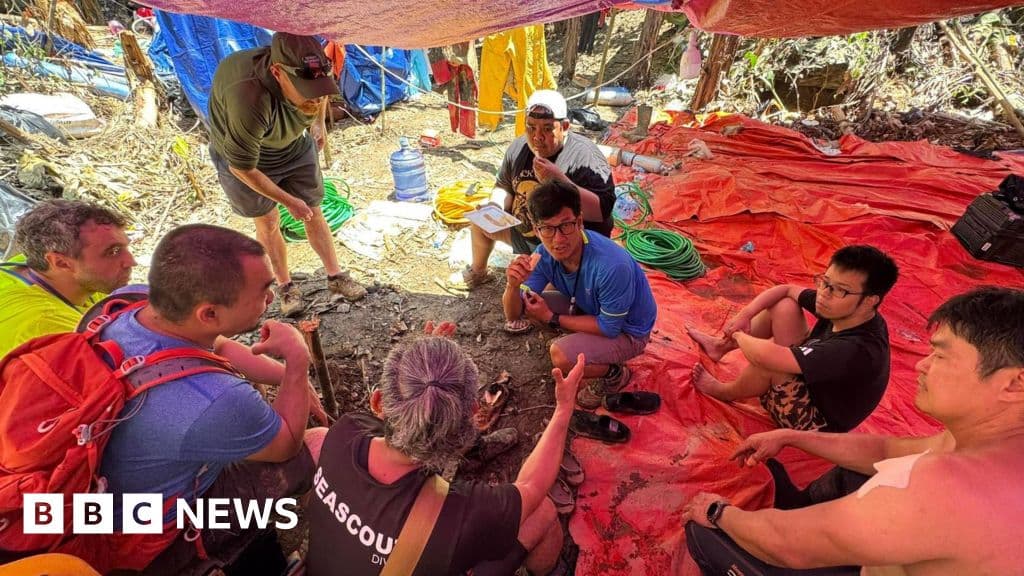
Survivors of the Laos cave rescue are aiding efforts to find the last two missing men trapped inside, sharing crucial insights for the search operation.
BBC World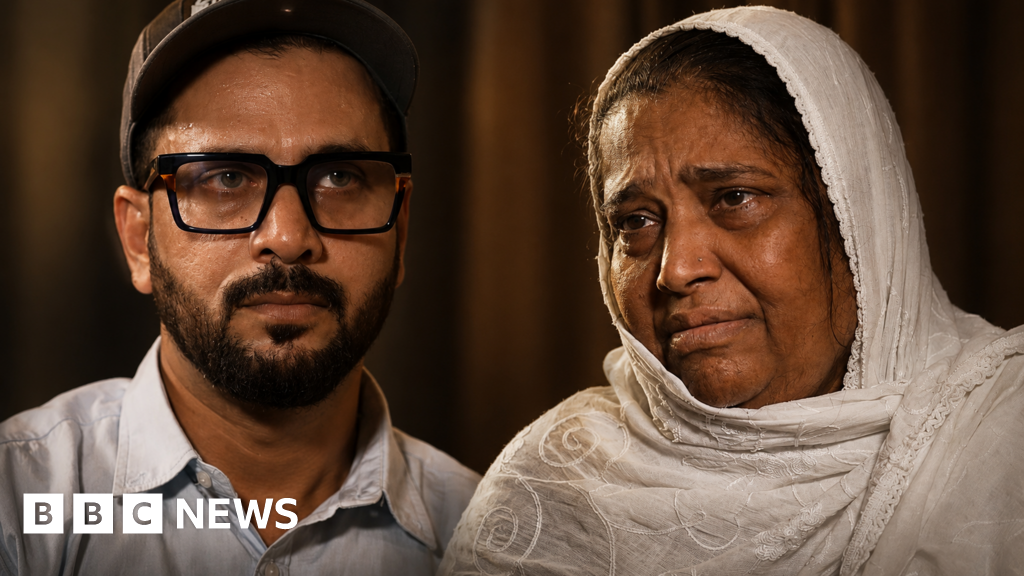
A year after the tragic Air India crash, the Ali family reflects on grief, unanswered questions, and the enduring bonds of love in the face of loss.
BBC Business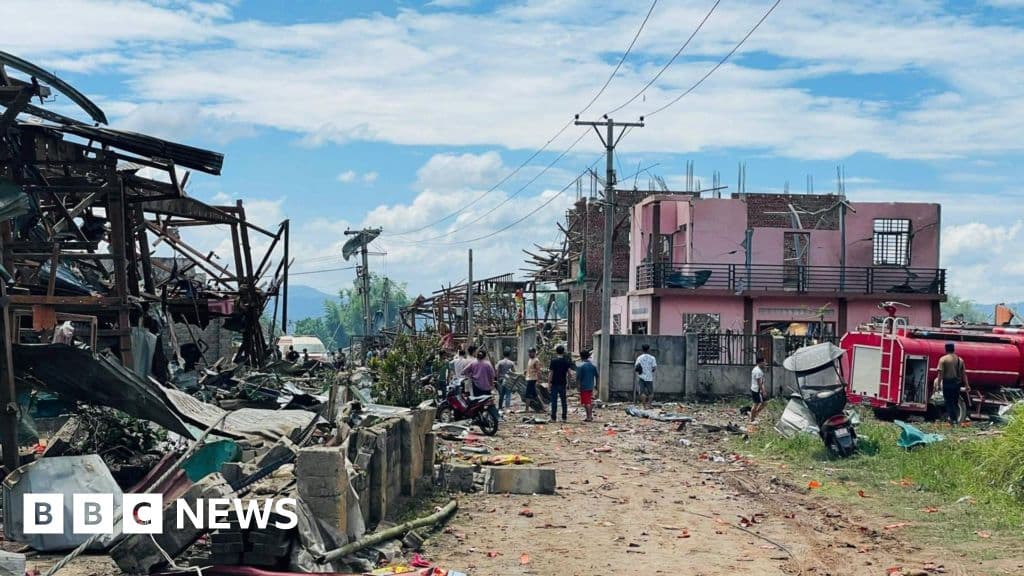
A devastating explosion in Myanmar's Kaung Tat village has killed at least 55 people, raising serious safety concerns and questions about civilian protection in conflict zones.
BBC World