
Glipzo
WorldTechnologyBusinessSportsEntertainmentScienceHealthPolitics
Glipzo
WorldTechnologyBusinessSportsEntertainmentScienceHealthPolitics
  1. Home
  2. /
  3. Technology
  4. /
  5. OpenAI Expands Cloud Partnerships, Shakes Up Microsoft Ties
OpenAI Expands Cloud Partnerships, Shakes Up Microsoft Ties

Image: Indian Express

Technology
Tuesday, April 28, 20265 min read

OpenAI Expands Cloud Partnerships, Shakes Up Microsoft Ties

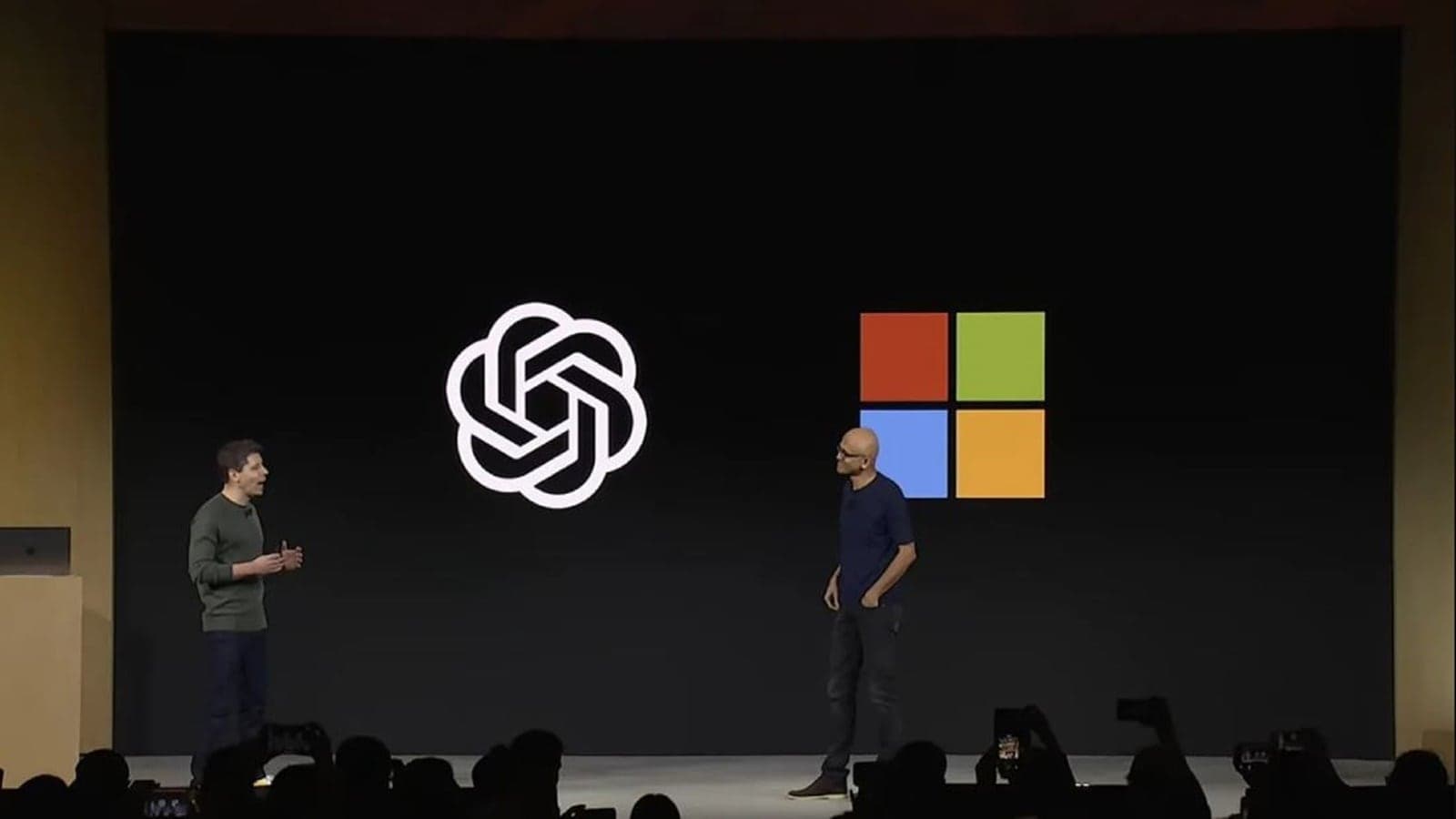
OpenAI's strategic shift allows partnerships with Amazon and Google Cloud, expanding its reach while maintaining ties with Microsoft. What’s next for AI?

Glipzo News Desk|Source: Indian Express
Share
Glipzo

Key Highlights

  • OpenAI diversifies cloud partnerships, now including AWS and Google Cloud.
  • Microsoft retains a 20% revenue share until 2030 under new terms.
  • Removal of AGI payment clause eases future financial disputes.
  • Amazon developers to gain direct access to OpenAI models soon.
  • OpenAI continues $250 billion investment in Microsoft's Azure cloud.

In this article

  • OpenAI Opens Doors to New Cloud Partnerships In a significant move that has the tech world buzzing, **OpenAI** announced a strategic shift in its partnership with **Microsoft** on **April 27, 2026**. This renegotiation not only allows OpenAI to maintain its primary affiliation with Microsoft but also opens the floodgates for collaboration with other cloud giants like **Amazon** and **Google Cloud**. The implications of this development are far-reaching, potentially reshaping the competitive landscape of artificial intelligence and cloud services.
  • Key Changes in OpenAI's Partnership with Microsoft Under the new agreement, OpenAI will continue to license its technology to Microsoft until **2032**, ensuring that Microsoft retains a significant stake in OpenAI’s innovations. Additionally, the revenue-sharing framework between the two entities will persist until **2030**, though it will now be capped at an undisclosed amount. This arrangement ensures that both parties benefit from ongoing collaboration while allowing OpenAI to explore new avenues for growth.
  • Enhanced Flexibility and Competitive Edge for OpenAI The revised partnership terms grant OpenAI increased access to computing resources, allowing for broader scalability in its enterprise offerings. This flexibility is crucial as OpenAI faces growing competition from other AI firms like **Anthropic**. By expanding its capabilities, OpenAI can better position itself in a rapidly evolving market.
  • What This Means for Microsoft and OpenAI While OpenAI diversifies its partnerships, Microsoft will continue to play a vital role as its primary cloud provider, with plans to invest at least **$250 billion** in Azure services through 2032. However, Microsoft’s strategy is also evolving; the company is now focusing on developing its own AI models and integrating alternatives like Anthropic into its product suite, particularly in applications such as **Microsoft 365 Copilot**.
  • Expanding Partnerships and Market Opportunities In addition to Microsoft, OpenAI is forging new partnerships with other tech industry players, including **Oracle**, **Alphabet**, **Nvidia**, and **Luxshare**. This expansion not only increases OpenAI's reach but also enhances its credibility as a leader in the AI domain. The CEO of Amazon, **Andy Jassy**, has also indicated that OpenAI models will soon be accessible to AWS developers, further broadening the market opportunities for businesses interested in AI technologies.
  • Why This Matters: The Future of AI and Cloud Computing The implications of OpenAI's updated partnership with Microsoft cannot be understated. As the AI landscape becomes increasingly competitive, the ability to make products available across multiple cloud platforms could democratize access to advanced AI technologies. This flexibility allows businesses of all sizes to leverage state-of-the-art AI tools, leveling the playing field in various industries.

OpenAI Opens Doors to New Cloud Partnerships In a significant move that has the tech world buzzing, **OpenAI** announced a strategic shift in its partnership with **Microsoft** on **April 27, 2026**. This renegotiation not only allows OpenAI to maintain its primary affiliation with Microsoft but also opens the floodgates for collaboration with other cloud giants like **Amazon** and **Google Cloud**. The implications of this development are far-reaching, potentially reshaping the competitive landscape of artificial intelligence and cloud services.

Sam Altman, the CEO of OpenAI, shared the news via his X account, stating, "We have updated our partnership with Microsoft. Microsoft will remain our primary cloud partner, but we are now able to make our products and services available across all clouds." This announcement marks a pivotal moment for OpenAI, signaling its intent to diversify its partnerships and enhance its operational flexibility.

Key Changes in OpenAI's Partnership with Microsoft Under the new agreement, OpenAI will continue to license its technology to Microsoft until **2032**, ensuring that Microsoft retains a significant stake in OpenAI’s innovations. Additionally, the revenue-sharing framework between the two entities will persist until **2030**, though it will now be capped at an undisclosed amount. This arrangement ensures that both parties benefit from ongoing collaboration while allowing OpenAI to explore new avenues for growth.

One of the critical updates in this renegotiation is the removal of a clause that would have allowed OpenAI to halt payments to Microsoft upon achieving artificial general intelligence (AGI). This change alleviates concerns over potential financial disputes in the future and underscores the commitment both companies have to their partnership.

  • **Microsoft's Role:**

Enhanced Flexibility and Competitive Edge for OpenAI The revised partnership terms grant OpenAI increased access to computing resources, allowing for broader scalability in its enterprise offerings. This flexibility is crucial as OpenAI faces growing competition from other AI firms like **Anthropic**. By expanding its capabilities, OpenAI can better position itself in a rapidly evolving market.

According to analysts, the updated deal also reduces barriers for companies that utilize Amazon Web Services (AWS) and Google Cloud, making it easier for them to integrate OpenAI's tools into their operations. This shift comes at a time when OpenAI has seen a surge in demand for its services, especially since the introduction of offerings on AWS. The ability to partner with multiple cloud providers is a strategic move that could significantly enhance OpenAI's market presence.

What This Means for Microsoft and OpenAI While OpenAI diversifies its partnerships, Microsoft will continue to play a vital role as its primary cloud provider, with plans to invest at least **$250 billion** in Azure services through 2032. However, Microsoft’s strategy is also evolving; the company is now focusing on developing its own AI models and integrating alternatives like Anthropic into its product suite, particularly in applications such as **Microsoft 365 Copilot**.

  • **Future Outlook for Microsoft:**

Expanding Partnerships and Market Opportunities In addition to Microsoft, OpenAI is forging new partnerships with other tech industry players, including **Oracle**, **Alphabet**, **Nvidia**, and **Luxshare**. This expansion not only increases OpenAI's reach but also enhances its credibility as a leader in the AI domain. The CEO of Amazon, **Andy Jassy**, has also indicated that OpenAI models will soon be accessible to AWS developers, further broadening the market opportunities for businesses interested in AI technologies.

This collaborative approach may lead to a more competitive environment where businesses have the flexibility to choose from a range of AI tools across different cloud platforms. The potential for innovation is immense, and as OpenAI continues to evolve its partnerships, it stands to benefit from the diverse needs of its clientele.

Why This Matters: The Future of AI and Cloud Computing The implications of OpenAI's updated partnership with Microsoft cannot be understated. As the AI landscape becomes increasingly competitive, the ability to make products available across multiple cloud platforms could democratize access to advanced AI technologies. This flexibility allows businesses of all sizes to leverage state-of-the-art AI tools, leveling the playing field in various industries.

Looking ahead, the focus will be on how these partnerships will impact the development of AI technologies and the competitive dynamics between cloud service providers. With OpenAI's commitment to innovation and its strategic partnerships, the company is poised to remain a significant player in the AI industry, influencing trends and setting standards for the future.

As we move forward, all eyes will be on how OpenAI capitalizes on this newfound flexibility and what innovations it will introduce in collaboration with its expanded network of partners. The evolving relationship between OpenAI and Microsoft, along with its foray into other cloud platforms, will be a critical factor to watch as the AI sector continues to mature.

Did you find this article useful? Share it!

Share

Related Articles

Nvidia Unveils Groundbreaking AI Chip for PCs
Technology
Jun 1, 2026

Nvidia Unveils Groundbreaking AI Chip for PCs

Nvidia's new RTX Spark chip aims to transform personal computing with AI, marking a significant shift in technology. Discover what this means for consumers.

BBC Business

Explosive Rocket Incident Raises Questions on NASA's Moon Missions
Technology
May 30, 2026

Explosive Rocket Incident Raises Questions on NASA's Moon Missions

The explosion of Blue Origin's New Glenn rocket raises significant concerns over NASA's lunar ambitions and the future of Amazon's satellite projects. Discover the implications.

BBC Science

Meta Faces Major Backlash Over User Account Bans in EU
Technology
May 29, 2026

Meta Faces Major Backlash Over User Account Bans in EU

Discover how Meta's lack of engagement on user bans raises critical concerns about accountability and transparency in social media governance.

BBC Technology

Categories

  • World
  • Technology
  • Business
  • Sports

More

  • Entertainment
  • Science
  • Health
  • Politics

Explore

  • Web Stories
  • About Us
  • Contact

Legal

  • Privacy Policy
  • Terms of Service
  • Disclaimer

© 2026 Glipzo. All rights reserved.