
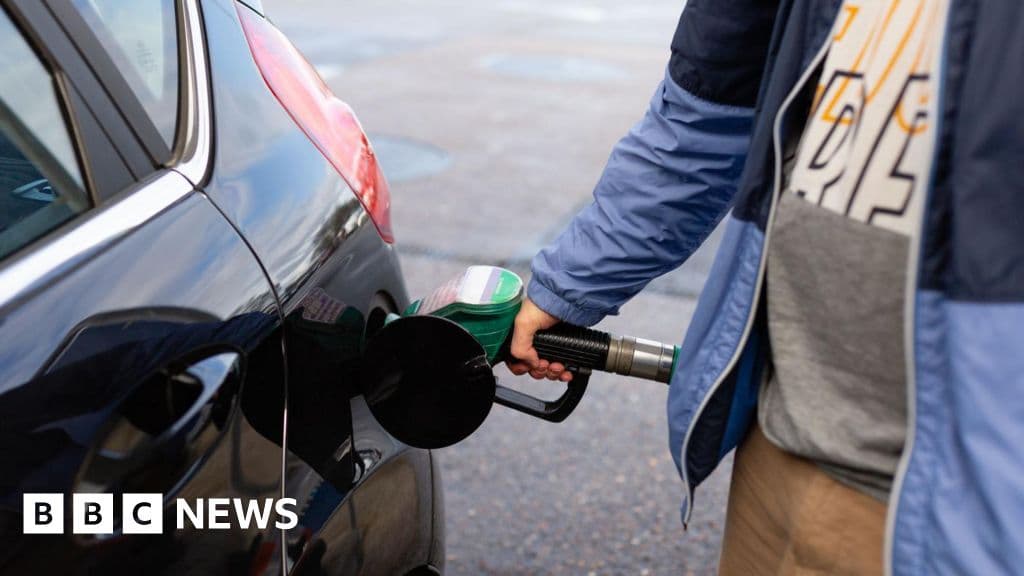
Image: BBC Business
Oil prices exceed $120 as reports confirm an extended U.S. blockade on Iran. What does this mean for consumers and the global economy? Read to find out.
GlipzoOil prices surged dramatically on Wednesday, with global benchmarks such as Brent crude exceeding $120 per barrel for the first time since 2022. This sharp increase can be attributed to reports indicating that the United States is gearing up for an "extended blockade" of Iranian ports. The market briefly peaked at $122, showcasing the volatility that has characterized oil prices amid ongoing geopolitical tensions.
This surge in oil prices is significant, as it not only impacts traders and investors but also signifies potential increased costs for consumers globally. The situation has escalated following a meeting at the White House on Tuesday, where Chevron CEO Mike Wirth and other energy executives discussed strategies to mitigate the effects of the Iranian crisis on American consumers with President Donald Trump.
The discussions during this meeting encompassed various crucial topics, including domestic energy production, Venezuelan oil progress, and shipping logistics. A White House official described the gathering as part of Trump’s routine consultations with energy leaders, aiming to navigate the complexities of the current market.
These developments come in the wake of separate reports from the Wall Street Journal, which indicated that President Trump has instructed his aides to prepare for a prolonged blockade of Iran's maritime routes. This blockade aims to apply further pressure on Iran’s economy, which has been under strain due to previous sanctions and military conflicts. Iran has retaliated by threatening to disrupt traffic in the Strait of Hormuz, a critical chokepoint for global oil shipments.
The Strait of Hormuz is a vital maritime route, through which approximately 20% of the world’s oil and liquid natural gas passes. The Iranian government’s actions have led to substantial restrictions on shipping in this area, particularly after the escalation of U.S. and Israeli military actions beginning on February 28. Iran's warning to target any approaching vessels has further complicated the situation, prompting the U.S. military to declare its intent to intercept ships traveling to and from Iranian ports.
Recent analyses have revealed that several vessels have evaded the U.S. blockade, indicating a complex interaction between military strategy and oil trade. Despite fluctuations in oil prices over the past weeks, the current price levels are significantly higher than those observed before the conflict escalated.
On April 17, Brent crude prices had dipped to around $90 per barrel, following a ceasefire announcement between Israel and Lebanon. However, the situation has turned since then, with the blockade contributing to a steady rise in prices over the past 12 days. Investment strategist Lindsay James from Quilter highlighted that, while the immediate impact in the UK has been limited to rising gasoline and diesel costs, the longer the supply disruptions persist, the greater the risk of shortages and further price hikes across various markets.
The Iranian economy is grappling with profound challenges, including soaring inflation and a rapidly depreciating currency. According to the Statistical Center of Iran, the annual inflation rate has reached an alarming 53.7%. The value of the rial has plummeted to unprecedented lows, and recent reports suggest that around two million Iranians have lost their jobs either directly or indirectly due to the ongoing conflict and sanctions.
In this context, President Trump has publicly urged Iran to negotiate and reach a deal, emphasizing the need for the country to act decisively. His remarks on Truth Social reflected frustration over Iran's inability to stabilize its situation and find a resolution.
Looking forward, the oil market remains at the mercy of geopolitical developments. The World Bank's recent forecast suggests that energy prices could surge by 24% in 2023 due to these ongoing tensions and disruptions in trade. The potential for physical shortages looms large, and consumers may soon feel the effects of these price hikes across various sectors.
As the U.S. continues its stringent measures against Iran, market observers will be closely watching for any shifts in strategy or negotiations that could alter the current trajectory of oil prices. The question remains: how long can the global economy withstand these elevated oil prices without significant repercussions?
In conclusion, the ongoing blockade and tensions in the Middle East are reshaping the global oil landscape. Stakeholders, from governments to consumers, must remain vigilant as the situation evolves, keeping an eye on potential impacts to supply chains and pricing in the months ahead.
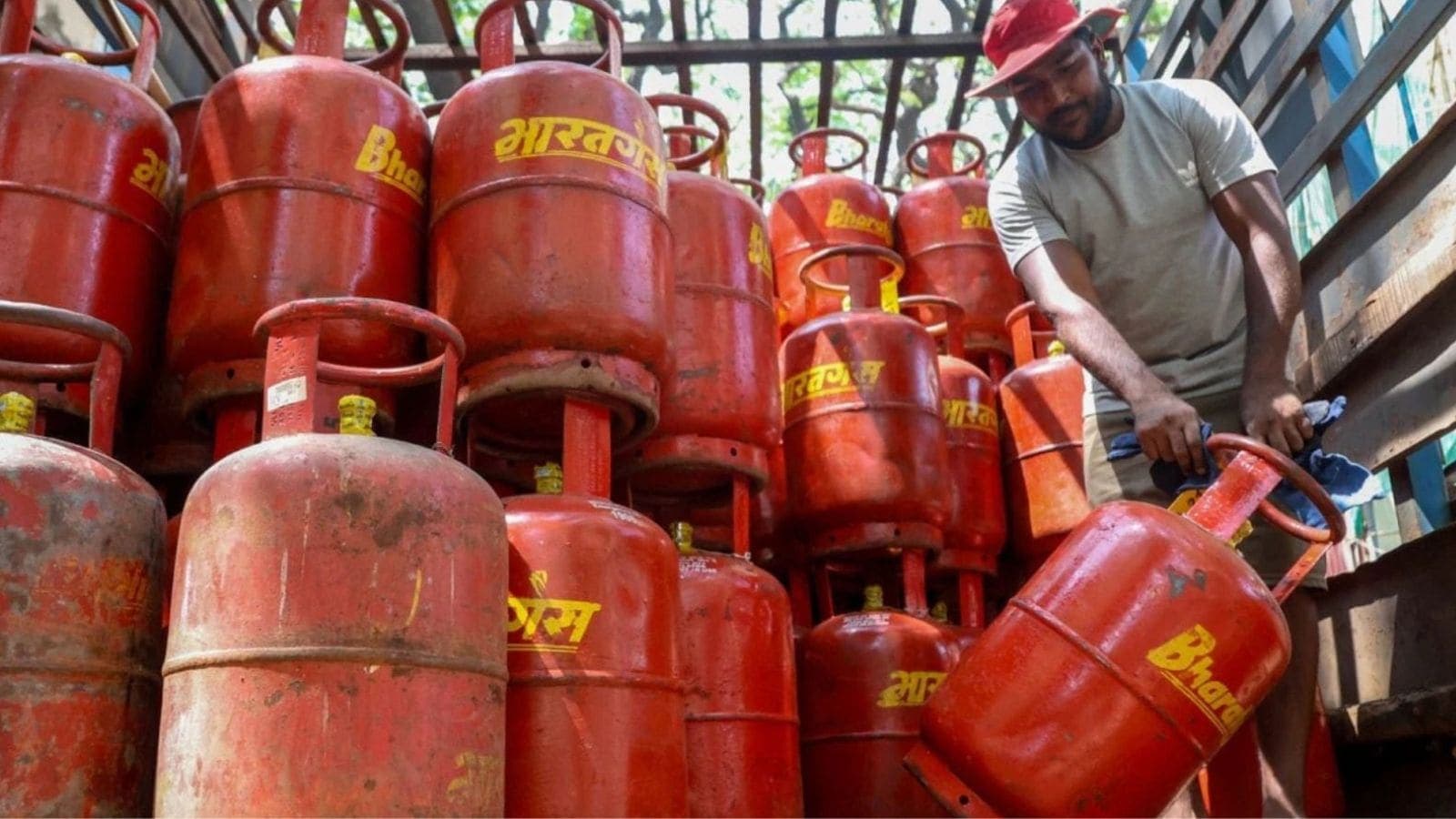
Commercial LPG prices have risen again, with increases of ₹42 in Delhi and ₹53.50 in Kolkata impacting businesses and consumers alike. Find out more.
Indian Express
Discover how a tragic coal mine explosion in Shanxi, China, reveals ongoing safety concerns in the industry amidst a push for green energy.
BBC Business
Montek Singh Ahluwalia highlights key economic challenges for India, emphasizing the need for a strategic approach to balance payments and investment.
Indian Express