

Image: BBC Business
Oil prices spike after Trump rejects Iran's peace proposal, raising concerns over global supply and economic impacts. What’s next for energy markets?
GlipzoIn a dramatic turn of events, oil prices surged on Monday morning in Asia following President Donald Trump's dismissal of Iran's proposal aimed at ending the ongoing conflict. The geopolitical tensions have sent shockwaves through the global oil market, raising concerns about supply disruptions. Brent crude, the international benchmark, witnessed a 4.1% increase, reaching $105.50 per barrel, while U.S. crude climbed 4.4% to settle at $99.80.
The volatility in oil prices is primarily driven by the escalating conflict that has effectively shut down the Strait of Hormuz, a crucial waterway for oil transportation. This strategic passage typically facilitates the movement of 20% of the world’s oil and gas shipments. Since the outbreak of the war on February 28, the strait has been a focal point of tension, with Iran threatening to target vessels crossing it in retaliation against U.S. and Israeli actions.
Iran's response to the U.S. proposals was delivered through Pakistan, which has acted as a mediator in the conflict. Tehran called for an immediate ceasefire and sought guarantees against further U.S.-Israeli military actions. However, Trump's reaction was swift and unequivocal. He expressed his disapproval on social media, stating, "I have just read the response from Iran's so-called 'Representatives.' I don't like it - TOTALLY UNACCEPTABLE."
The U.S. had previously laid out its conditions for peace, which included restoring free transit through the Strait of Hormuz and halting Iran's nuclear enrichment activities. In parallel, Israeli Prime Minister Benjamin Netanyahu emphasized that the conflict would not conclude until Iran's enriched uranium stockpiles are eliminated.
A ceasefire implemented in early April aimed at facilitating peace talks has largely been maintained, although sporadic exchanges of fire continue to occur. On April 21, Trump extended this truce indefinitely, allowing Iran more time to formulate a cohesive proposal. The ceasefire had seen Brent crude prices rebound above the $100 mark following its announcement on April 8.
Energy markets are in a state of flux, with prices experiencing significant fluctuations due to the conflict. The situation has led to a remarkable surge in profits for major energy corporations, which are benefiting from the higher oil prices resulting from the turmoil.
The ongoing conflict has not only impacted oil prices but has also resulted in substantial earnings for key energy companies. On Sunday, Saudi Aramco reported a staggering 25% increase in profits during the first quarter compared to the same period in 2025. The company's CEO, Amin Nasser, noted that their cross-country pipeline has proven to be a vital supply route, effectively mitigating disruptions caused by the conflict.
Similarly, BP revealed that its profits more than doubled in the first quarter of this year, while Shell also reported a significant increase in earnings last week. These results underscore the profound impact that geopolitical events can have on the oil and gas sector, highlighting the interconnectedness of global markets.
The implications of these developments extend beyond just the oil markets. The rising prices can lead to increased costs for consumers and industries reliant on oil and gas, potentially stoking inflation and affecting economic stability in various regions. As tensions between the U.S. and Iran continue to escalate, the energy landscape is likely to remain turbulent.
Looking ahead, several factors will be critical to watch: - Geopolitical Developments: Any shifts in U.S.-Iran relations or further escalations in military actions could have immediate impacts on oil prices. - Market Reactions: Investors will be closely monitoring how the market reacts to ongoing news, particularly any announcements regarding peace negotiations or military engagements. - Supply Chain Stability: The potential for disruptions in the Strait of Hormuz will continue to be a significant concern for global energy supply chains. - Economic Impact: Rising oil prices could lead to broader economic repercussions, affecting inflation rates and consumer spending.
As the situation unfolds, the global community will be keeping an eye on both diplomatic efforts and market trends, as the outcome could shape the energy landscape for years to come.
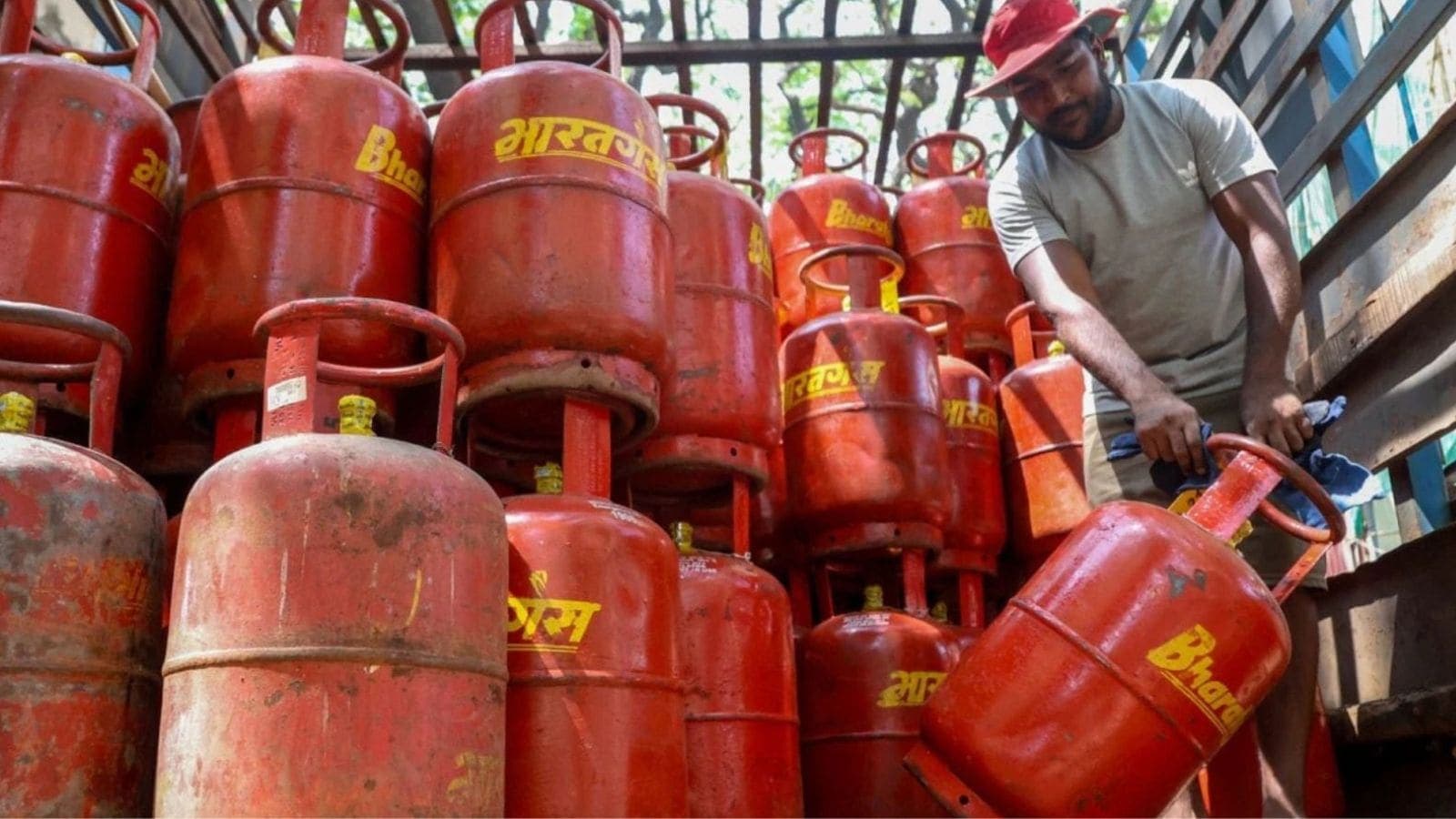
Commercial LPG prices have risen again, with increases of ₹42 in Delhi and ₹53.50 in Kolkata impacting businesses and consumers alike. Find out more.
Indian Express
Discover how a tragic coal mine explosion in Shanxi, China, reveals ongoing safety concerns in the industry amidst a push for green energy.
BBC Business
Montek Singh Ahluwalia highlights key economic challenges for India, emphasizing the need for a strategic approach to balance payments and investment.
Indian Express