
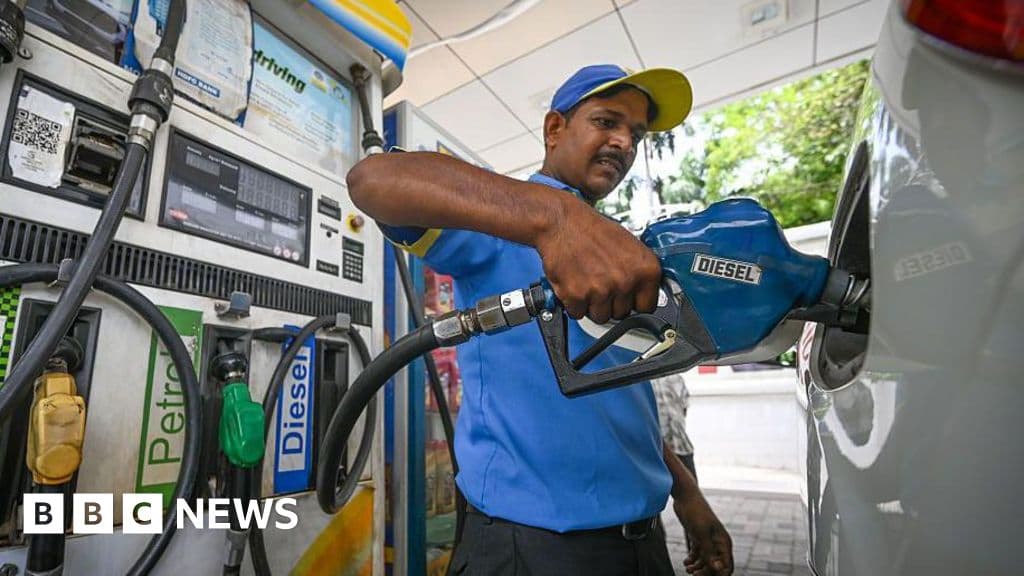
Image: BBC Business
Oil prices spike following US military strikes on Iran. Discover the implications for global energy markets and what this means for the future.
GlipzoIn a dramatic escalation of geopolitical tensions, oil prices surged following the United States' recent military strikes on Iran. The targeted attack occurred in Bandar Abbas, a pivotal port city, raising concerns over the stability of global oil supplies.
The US Central Command (Centcom) reported that its forces also intercepted and shot down four Iranian drones that were deemed a threat around the Strait of Hormuz, a critical maritime route for global energy transport. The immediate market reaction was significant: the global oil benchmark Brent Crude increased by 3.75%, reaching $97.83 per barrel, while US-traded crude saw a 4% rise, hitting $92.22.
These military actions come at a time when Tehran and Washington have ostensibly been engaged in talks aimed at de-escalating a conflict that has lasted for three months. This ongoing situation has severely impacted the Strait of Hormuz, through which approximately 20% of the world's oil and liquefied natural gas (LNG) typically flows.
The tension has escalated since the US and Israel conducted airstrikes on Iran on February 28, prompting Iran to issue threats against vessels navigating this vital shipping route. The volatility in global energy prices has been staggering; prior to the conflict, Brent crude was trading around $70 per barrel but briefly spiked to about $120 amid the crisis.
Interestingly, oil prices had recently seen a decline, driven by optimism that a diplomatic resolution might soon reopen the Strait of Hormuz. However, the latest strikes have shattered those hopes. The recent military actions mark the second occasion within three days that the US has targeted Iranian positions, asserting that these strikes were executed in self-defense.
Centcom confirmed earlier strikes on Iranian missile sites and boats attempting to lay mines in the Strait, stating these operations were crucial for safeguarding US troops from threats posed by Iranian forces.
In response to the US strikes, Iranian officials labeled these actions as a serious breach of the ceasefire, vowing not to ignore any form of aggression. The ongoing hostilities between the US and Iran have raised alarms across the region, with Kuwait's military reporting that it is intercepting hostile missile and drone threats, although they did not provide additional information on the incidents.
This cycle of attack and counterattack contributes to heightened instability in the region, which is critical for global energy markets. The implications of these military actions extend beyond immediate price fluctuations, as they threaten to disrupt the already tenuous diplomatic efforts intended to stabilize the situation.
The Strait of Hormuz is often referred to as the world's most important oil chokepoint, and any disruption in this area can lead to global economic repercussions. With geopolitical tensions on the rise, energy markets are likely to remain volatile, impacting both consumers and industries reliant on oil and gas.
Key Takeaways: - Oil prices surged significantly after the US attacked Iranian military sites. - The Strait of Hormuz is crucial for global oil transport, with 20% of world supplies passing through. - Iran's response to US strikes indicates a possible escalation in hostilities. - Market analysts suggest that oil prices may continue to fluctuate as tensions evolve.
Looking ahead, the situation remains fluid. Analysts will be closely monitoring both military developments and diplomatic engagements. The potential for further military escalation could keep oil prices high, while any signs of successful negotiations might offer some relief to the market.
Observers should watch for: - Continued fluctuations in oil prices in response to military actions. - Updates from diplomatic negotiations between the US and Iran. - Reactions from other countries in the region, particularly those with vested interests in the Strait of Hormuz.
As the situation develops, the global economy will be watching closely, with energy prices a focal point of concern for consumers and businesses alike.
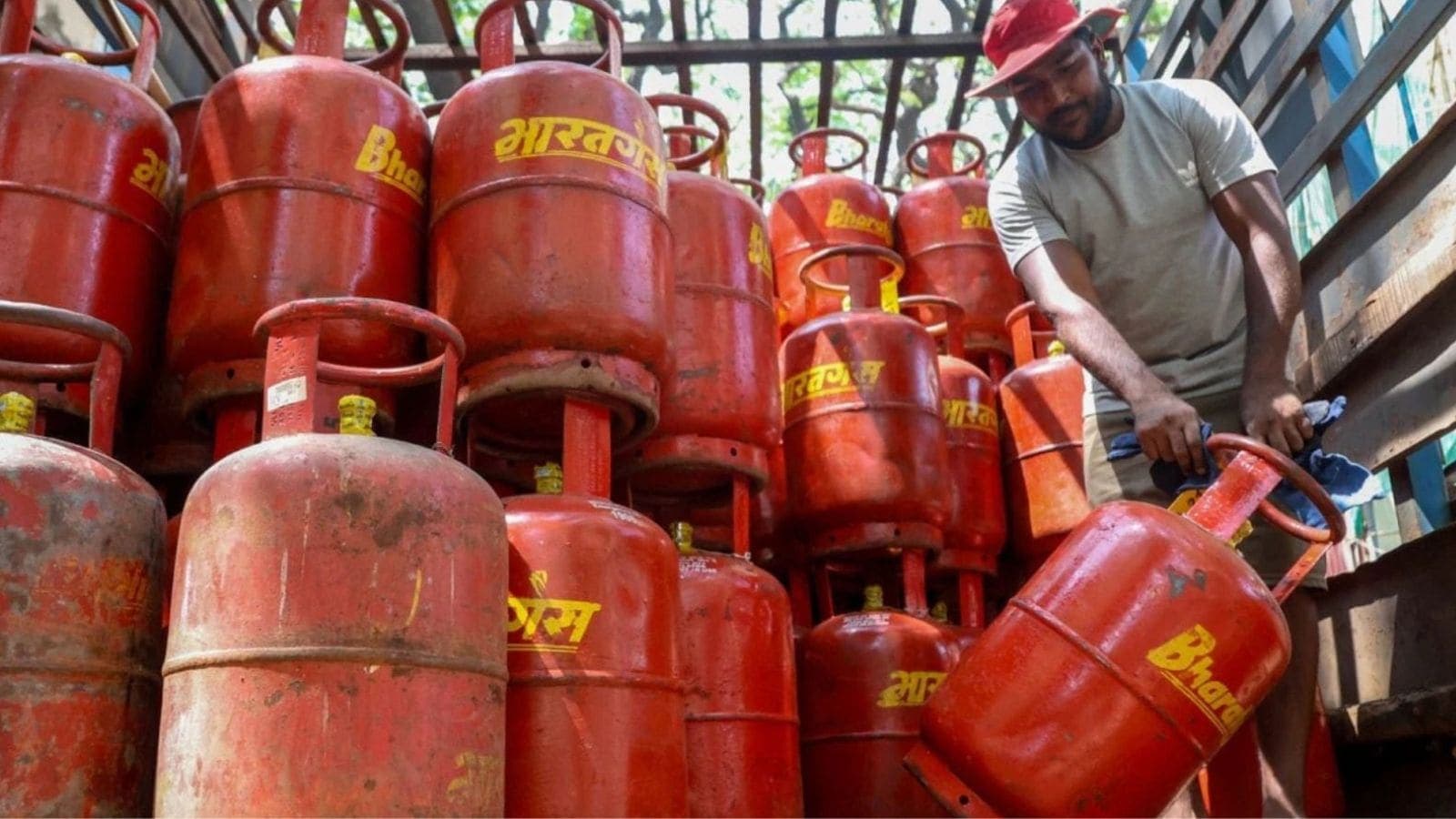
Commercial LPG prices have risen again, with increases of ₹42 in Delhi and ₹53.50 in Kolkata impacting businesses and consumers alike. Find out more.
Indian Express
Discover how a tragic coal mine explosion in Shanxi, China, reveals ongoing safety concerns in the industry amidst a push for green energy.
BBC Business
Montek Singh Ahluwalia highlights key economic challenges for India, emphasizing the need for a strategic approach to balance payments and investment.
Indian Express