
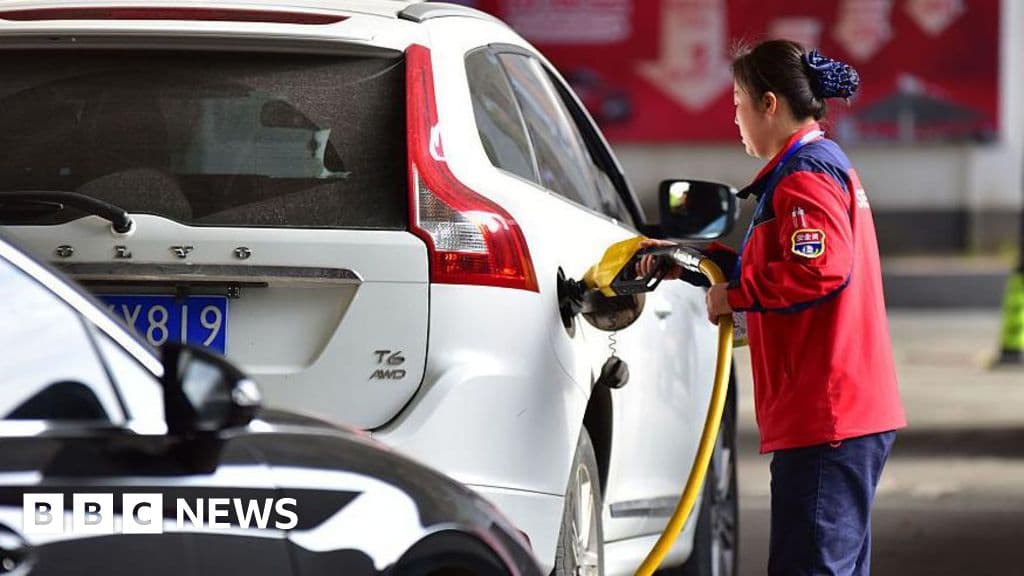
Image: BBC Business
Oil prices soar to record highs as Trump receives military briefing on Iran. Discover the implications for global energy markets.
GlipzoIn a startling turn of events, oil prices have soared on Thursday, driven by reports that the U.S. military is preparing to brief President Donald Trump on new military strategies regarding Iran. This brief comes at a time when peace negotiations with Tehran appear to be at a standstill, leading to rising concerns in the global oil market.
The report, first by Axios, indicates that the U.S. Central Command is considering a series of "short and powerful" airstrikes aimed at key infrastructure in Iran. This potential military action is designed to break the impasse in negotiations and may escalate tensions significantly in the region. The BBC has sought comments from both the U.S. Central Command and the White House on this developing situation.
The immediate market reaction was palpable, with Brent crude oil witnessing a nearly 7% increase, soaring past $126 per barrel—the highest point since Russia's full-scale invasion of Ukraine in 2022. Meanwhile, West Texas Intermediate crude rose by 2.3%, reaching approximately $109 per barrel. The spike in oil prices underscores the market's sensitivity to geopolitical developments, particularly involving Iran, a key player in global energy supplies.
As negotiations falter, the Strait of Hormuz, a vital waterway through which roughly 20% of the world’s oil passes, remains effectively closed. This closure has heightened fears of an extended blockade, further exacerbating the situation. According to the Axios report, the proposed military action could also involve ground troops to secure portions of the Strait, allowing for the safe passage of commercial shipping.
Economics experts are weighing in on the potential fallout from these developments. Yeow Hwee Chua, a professor at Nanyang Technological University, emphasized the significance of even a minor escalation in conflict, stating it could have “outsized implications” for global energy supplies. The threat of U.S. blockades against Iranian ports adds a layer of complexity, hinting at a broader disruption in energy shipments worldwide.
The U.S. government has expressed its intention to impose severe restrictions on Iranian ports as long as Tehran maintains its aggressive stance toward vessels operating in the Strait of Hormuz. In retaliation for U.S.-Israeli airstrikes, Iran has threatened to target ships navigating this critical waterway, further straining international relations and energy markets.
This surge in oil prices is not merely a fleeting market reaction; it comes amid broader discussions about the economic ramifications of the ongoing conflict. On Tuesday, energy executives met with President Trump to strategize on mitigating the impact of rising oil prices on U.S. consumers. The urgency of the situation has prompted investment analysts to caution about the potential for inflationary pressures stemming from increased energy costs.
Will Walker-Arnott, an investment manager at Raymond James, articulated the prevailing sentiment, stating, "The big question in my mind is how long the Trump administration can stand the economic heat." He noted that public concern is mounting regarding the inflationary effects of rising oil prices, which could have a direct impact on everyday consumers and the broader economy.
As the situation unfolds, market watchers and analysts will be closely monitoring further developments regarding U.S. military actions and Iran's responses. The potential implications for oil prices could be profound, particularly if military hostilities escalate or if diplomatic negotiations break down entirely.
The dynamics of global energy markets are intricately tied to geopolitical events, especially in regions like the Middle East. The potential for increased military action in Iran not only threatens stability in oil prices but can also lead to broader economic repercussions, affecting everything from consumer prices to inflation rates. In this context, the actions taken by the U.S. and Iran in the coming weeks will be critical to watch, as they could reshape the energy landscape for the foreseeable future.
As the situation develops, it will be essential for stakeholders—ranging from governments to consumer advocates—to remain vigilant and prepared for changes in the oil market and its implications on global economic health.
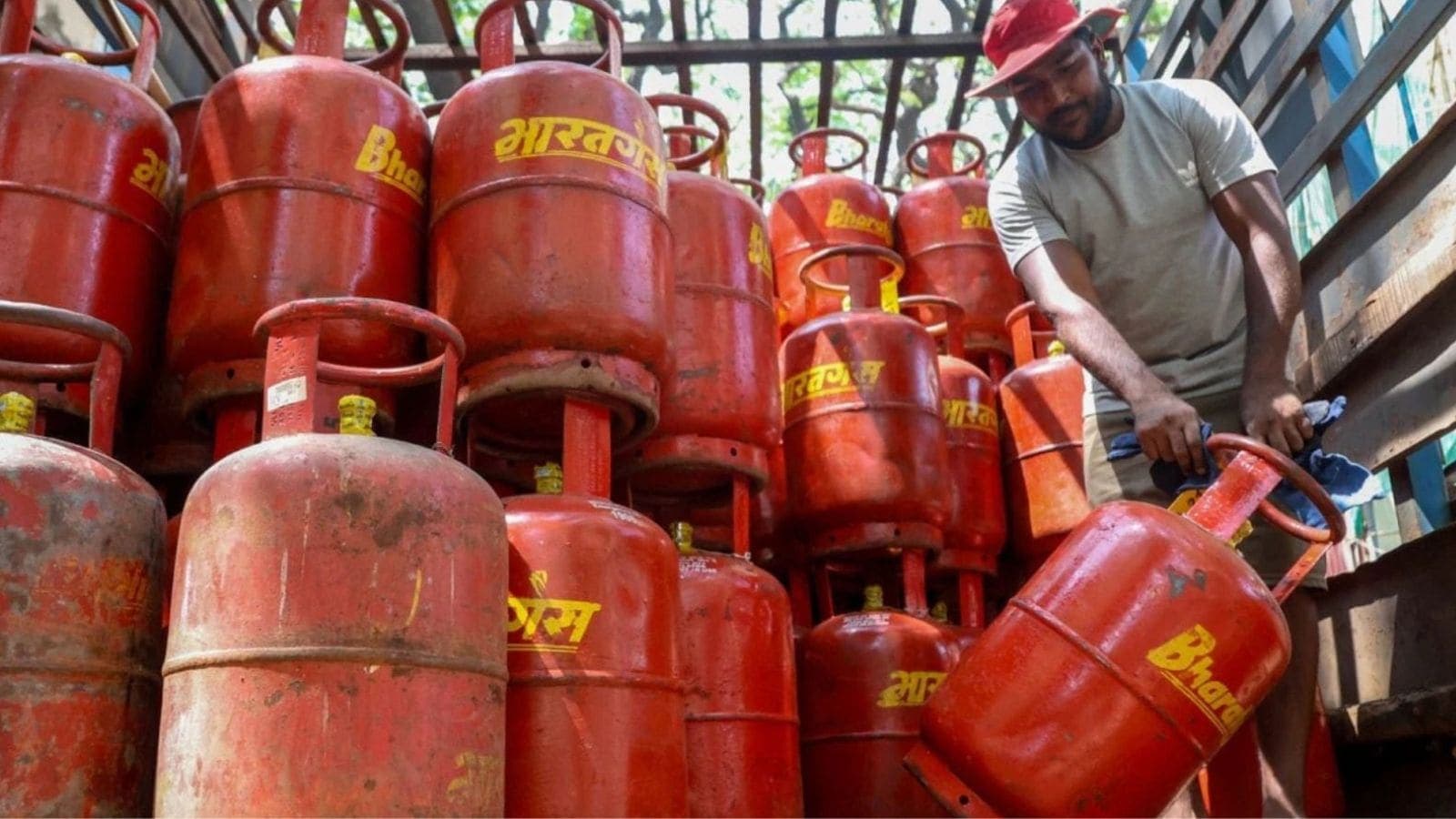
Commercial LPG prices have risen again, with increases of ₹42 in Delhi and ₹53.50 in Kolkata impacting businesses and consumers alike. Find out more.
Indian Express
Discover how a tragic coal mine explosion in Shanxi, China, reveals ongoing safety concerns in the industry amidst a push for green energy.
BBC Business
Montek Singh Ahluwalia highlights key economic challenges for India, emphasizing the need for a strategic approach to balance payments and investment.
Indian Express