
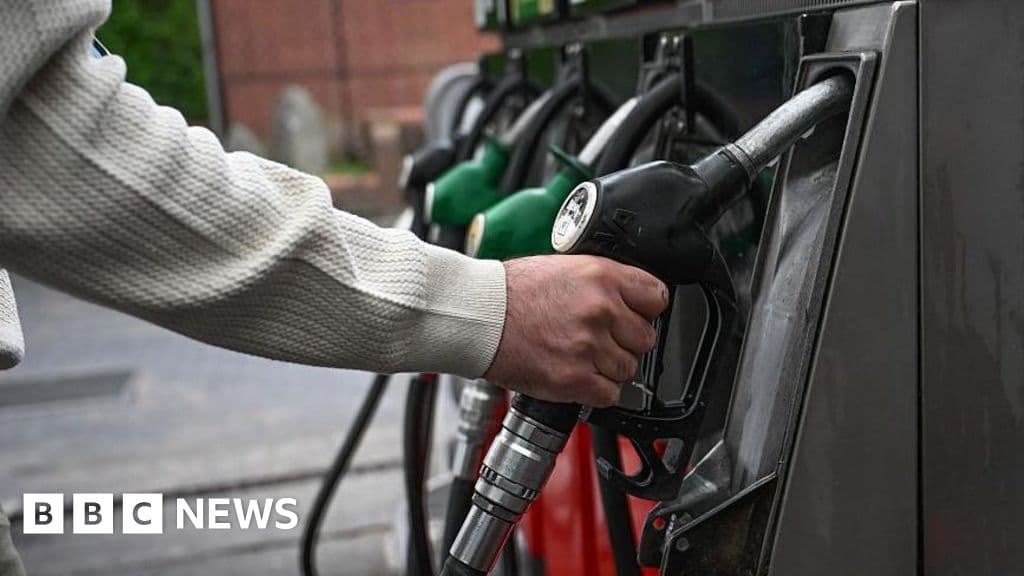
Image: BBC Business
Oil prices jumped as U.S.-Iran tensions flare in the Strait of Hormuz. What does this mean for global energy security? Click to find out more.
GlipzoIn a dramatic turn of events, oil prices surged early Friday morning in Asia following a series of military exchanges between the United States and Iran in the strategically vital Strait of Hormuz. This region is crucial for global oil transit, making developments here particularly significant for energy markets.
The U.S. military reported that it intercepted what it described as "unprovoked" attacks from Iranian forces, which included missiles, drones, and small boats. In what it characterized as self-defense, the U.S. conducted retaliatory strikes against Iranian vessels as American ships navigated out of the Gulf through the strait.
As a direct consequence of these escalations, the global benchmark for oil, Brent Crude, experienced a 2.6% increase, climbing to $102.70 per barrel. Meanwhile, U.S.-traded crude saw a 2.3% rise, reaching $97. Such increases underscore how geopolitical tensions can swiftly impact global energy prices.
The skirmish in the Strait of Hormuz has ignited fears regarding the ceasefire agreement between the U.S. and Iran, which was indefinitely extended by President Donald Trump on April 21. This extension aimed to facilitate ongoing peace negotiations, but Friday's exchanges have cast doubt on its stability.
In his remarks, President Trump noted that the ships targeted during the confrontation were three "world-class American destroyers" that successfully navigated through the strait without sustaining damage. He further stated that several Iranian boats were "completely destroyed", and that incoming missiles aimed at U.S. vessels were "easily knocked down".
However, the Iranian military countered these claims, accusing the U.S. of breaching the ceasefire by attacking its vessels, including an oil tanker, as they approached the strait. Islamic Republic of Iran Broadcasting reported that "aerial attacks" had been conducted along the Iranian coastline, leading to a retaliatory response from Iranian forces that purportedly inflicted significant damage on U.S. military assets.
Despite the Iranian assertions, the U.S. Central Command firmly denied any damage to its ships, emphasizing that it is not aiming to escalate the situation further. Following the exchanges, Iranian state media claimed that the situation had returned to "normal", but the underlying tensions remain palpable.
In an interview with ABC News, President Trump dismissed the Iranian strikes as a mere "love tap" and maintained that the ceasefire remains intact. He reiterated his stance that Iran would face further military action if it fails to engage in negotiations aimed at resolving the ongoing conflict.
This recent exchange has its roots in a broader conflict that reignited on February 28 when the U.S. and Israel launched attacks against Iranian targets. Since then, energy prices have been on an upward trajectory, particularly as Iran has threatened to retaliate against vessels traversing the Strait of Hormuz, a key trade route responsible for a significant share of global oil and gas shipments.
Historically, the Strait of Hormuz is pivotal, with more than 20% of the world's oil and gas trade passing through its waters. Thus, developments in this region carry substantial implications not just for the U.S. and Iran, but for global energy security and pricing.
The ramifications of these military exchanges extend beyond immediate price increases. Energy markets worldwide are sensitive to geopolitical instability, and any disruption in oil supply can lead to drastic economic consequences. As tensions rise, analysts suggest that oil prices could continue to fluctuate, impacting everything from consumer fuel costs to global economic growth projections.
The potential for miscalculation or further military engagement remains a concern, with global analysts closely monitoring the situation. As President Trump seeks a framework for renewed negotiations, the international community is left wondering whether a resolution can be reached or if the cycle of conflict will persist.
Looking ahead, market watchers should keep an eye on several key factors: - Iran's military responses: Continued military actions could further escalate tensions. - U.S. diplomatic efforts: The effectiveness of negotiations could influence both military and economic stability. - Global oil supply: Any disruptions in shipping through the Strait of Hormuz will likely impact oil prices significantly.
The situation remains fluid, and stakeholders in energy markets and international relations will need to stay vigilant as these events unfold. The ongoing conflict not only tests diplomatic channels but also poses significant risks to the stability of global energy markets.
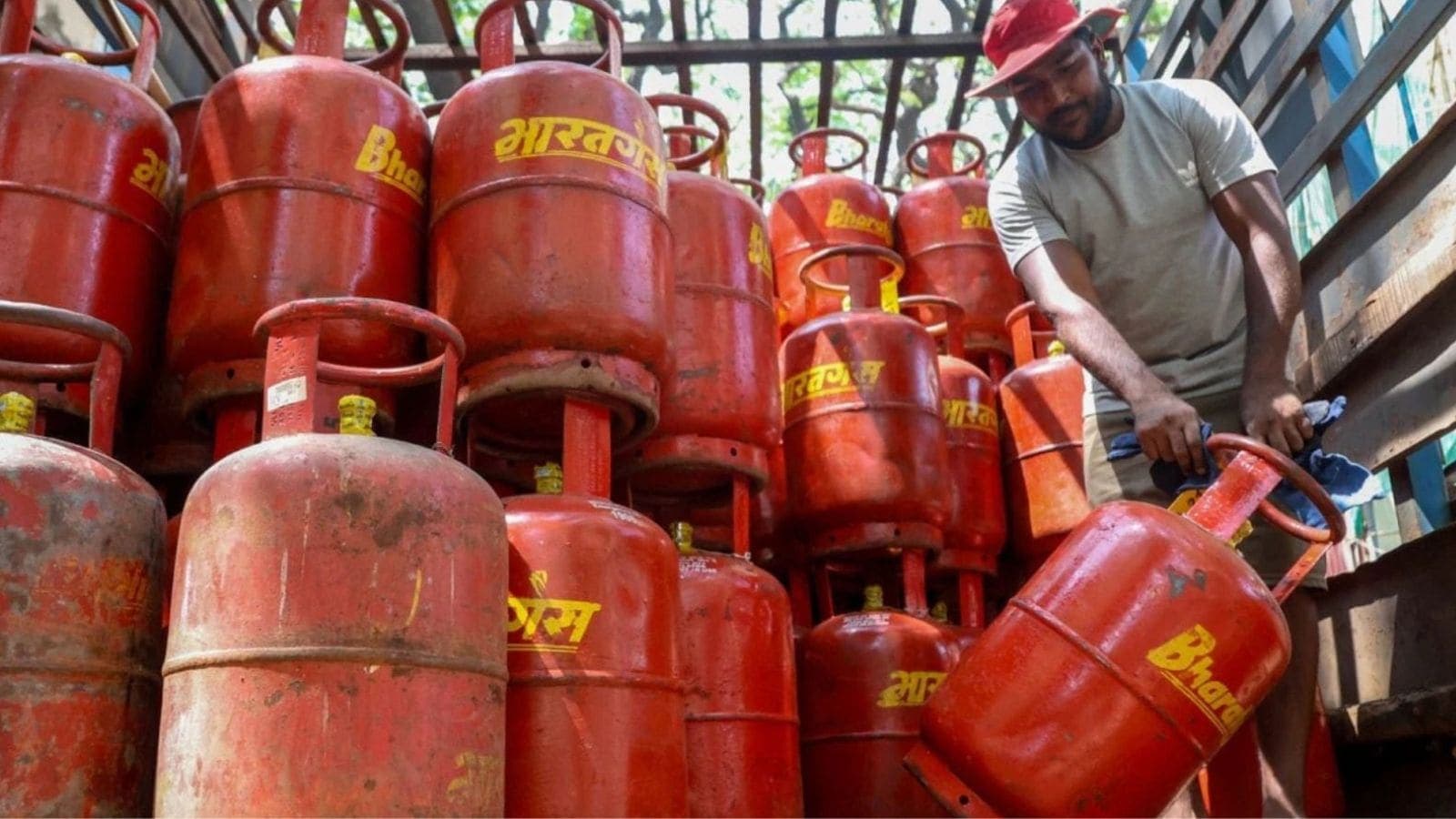
Commercial LPG prices have risen again, with increases of ₹42 in Delhi and ₹53.50 in Kolkata impacting businesses and consumers alike. Find out more.
Indian Express
Discover how a tragic coal mine explosion in Shanxi, China, reveals ongoing safety concerns in the industry amidst a push for green energy.
BBC Business
Montek Singh Ahluwalia highlights key economic challenges for India, emphasizing the need for a strategic approach to balance payments and investment.
Indian Express