Iran's closure of the Strait of Hormuz impacts global oil flow.
UAE reports drone strike near nuclear plant, escalating tensions.
Oil Prices Climb Following Trump's Stark Warning to Iran
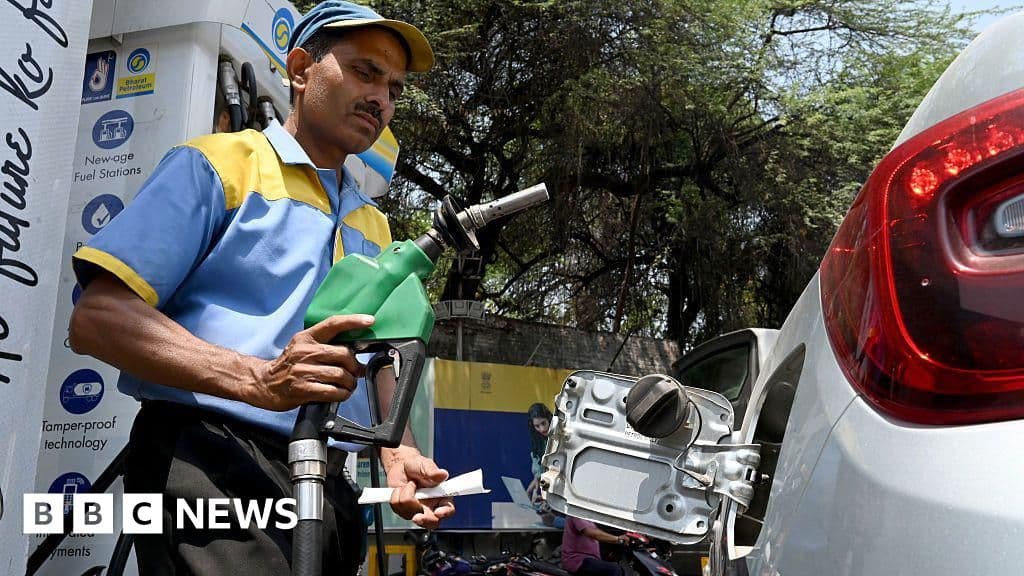
In a significant escalation of geopolitical tensions, oil prices saw a notable increase on Monday morning in Asia, following a stark warning from **U.S. President Donald Trump** regarding stalled negotiations with **Iran**. The global benchmark for crude oil, **Brent**, surged by **1.85%**, reaching **$111.28** (£83.61), while U.S.-traded oil experienced a rise of **2.32%**, climbing to **$107.87**. This spike in oil prices is indicative of the market's sensitivity to geopolitical developments, particularly in oil-rich regions.
The heightened prices come amid significant unrest following Iran's decision to effectively close the critical **Strait of Hormuz**, a vital shipping route through which **approximately 20%** of the world's oil and liquefied natural gas (LNG) typically passes. This closure is a direct response to recent military actions by the U.S. and Israel against Iran, which began on **February 28**.
## Trump's Message: Urgency and Consequences
In a post on social media, President Trump emphasized the urgency of the situation, stating, "They better get moving, FAST, or there won't be anything left of them. TIME IS OF THE ESSENCE!" This warning illustrates the precarious nature of the talks aimed at ending ongoing conflicts and highlights the potential for further escalation if diplomatic efforts fail.
Reports from Iranian media suggest that the U.S. has not provided any substantial concessions in response to Tehran's latest proposals aimed at resolving the conflict. The **Mehr news agency**, a semi-official outlet, warned that a lack of compromise could lead to an impasse in negotiations, further complicating the already tense situation. Trump's warning follows a recent statement where he indicated that a previous ceasefire was precariously close to collapse, describing it as being on "massive life support" after dismissing Iran's demands as "totally unacceptable."
## Military Options on the Table
As the situation continues to deteriorate, Trump is expected to convene a meeting on **Tuesday** with his top national security advisors to explore military options concerning Iran, according to reports from **Axios**. This potential shift towards military action raises alarms about the regional stability and economic implications that could arise from such decisions.
The ongoing conflict has seen Iran conducting attacks on neighboring countries, including **Israel**, **Bahrain**, and the **United Arab Emirates (UAE)**. Recently, the UAE reported a drone strike that caused a fire near its **nuclear power station**, labeling the incident a "dangerous escalation". This attack further highlights the volatility of the region and the potential for wider conflict.
## The UAE Incident: A Dangerous Escalation
On Sunday, officials in the UAE revealed that a drone strike had triggered a fire close to the **Barakah Nuclear Power Plant** in **Abu Dhabi**. The country's defense ministry reported that three drones had entered the UAE from the "western border direction". While two of the drones were intercepted, the third managed to strike an electrical generator located outside the inner perimeter of the nuclear facility, igniting a fire. Fortunately, no injuries were reported, and authorities confirmed there was no impact on radiological safety levels.
## Why This Matters: The Global Oil Market's Fragility
The rising oil prices and geopolitical instability surrounding Iran are crucial for several reasons:
- **Global Oil Supply**: As one of the world's leading oil producers, any disruption in Iran can significantly affect global oil supply, leading to increased prices.
- **Economic Impact**: Higher oil prices can lead to increased costs for consumers and businesses, potentially slowing economic growth.
- **Regional Security**: Continued aggression and military posturing in the region could lead to broader conflicts that destabilize the Middle East.
## Looking Ahead: What to Watch
As the situation unfolds, there are several key developments to monitor:
- **Negotiation Progress**: Will the U.S. make concessions to facilitate peace talks?
- **Military Actions**: What decisions will be made in the upcoming security meeting?
- **Market Reactions**: How will global markets respond to continued tensions?
- **Iran's Next Steps**: How will Iran react to U.S. pressure and military options?
These factors will play a significant role in shaping not only the future of Iranian U.S. relations but also the overall stability of the global oil market. The world is watching closely as the clock ticks down on potential diplomatic solutions.