

Image: BBC Business
Global oil prices fluctuate as US-Iran peace talks face uncertainty. Will the ceasefire hold or lead to further volatility in the energy market?
GlipzoIn the early hours of Asian trading on Wednesday, global oil prices displayed noticeable fluctuations as the future of US-Iran peace talks remains shrouded in uncertainty. Traders are watching closely as geopolitical tensions continue to influence the energy market. The stakes are high, and the potential for further volatility looms large.
On Tuesday, President Donald Trump made headlines by announcing that he would extend a ceasefire with Iran, aiming to give negotiations more room to evolve. He emphasized that the United States will maintain its blockade of Iranian ports until Tehran presents a "unified proposal," a move that has heightened concerns about the possibility of future escalations.
After opening on a positive note, Brent Crude saw a slight dip of 0.2%, settling at $98.32 per barrel, while West Texas Intermediate dropped by 0.3% to $89.41. These fluctuations reflect the nervousness surrounding energy markets, a direct consequence of ongoing geopolitical strife.
The energy landscape has been particularly volatile since February 28, when the US and Israel conducted attacks on Iran. In retaliation, Tehran issued threats to target vessels navigating the crucial Strait of Hormuz, a strategic waterway through which approximately 20% of the world's oil supply flows.
The initial ceasefire, which was set to expire on Wednesday evening in Washington, has now been extended without a new deadline provided by Trump. This lack of clarity adds to the anxiety surrounding oil prices and market stability.
In a post on Truth Social, Trump described the Iranian administration as being "seriously fractured," suggesting that internal divisions could complicate negotiations. Furthermore, he indicated that the US would refrain from launching new attacks, a decision that came in response to Pakistan's appeal for additional time for Tehran to come to an agreement.
Vice President JD Vance, who has been spearheading the US negotiations, was originally scheduled to travel to Islamabad for discussions. However, the White House announced that he would no longer be making the trip, creating further uncertainty about the diplomatic process.
Adding to the confusion, an Iranian foreign ministry spokesperson indicated that Tehran has yet to decide whether to send a delegation to Pakistan for potential talks with the US. This indecision underscores the complexities of the ongoing negotiations and the delicate balance of power in the region.
Experts, such as Jiajia Yang, a lecturer at James Cook University in Australia, emphasize that the current situation transcends mere oil barrel counts and is more about market expectations. "This is less about barrels of oil and more about expectations," Yang noted, highlighting how geopolitical events shape market sentiment.
Crude oil prices have surged since the onset of the conflict, primarily due to fears surrounding the Strait of Hormuz. The waterway is critical for global energy supply, and any perceived threat to its security can lead to significant price hikes. The US has also declared its intention to intercept ships heading to or from Iranian ports, further exacerbating fears of supply disruptions.
The potential for increased military involvement in the region remains a concern. Investors are keeping a close eye on developments, aware that any escalation could impact not only oil prices but also broader economic stability.
The outcome of the US-Iran negotiations will have far-reaching implications for global oil markets. A successful agreement could lead to a stabilization of oil prices, while a breakdown in talks could trigger sharp increases. Market participants are advised to monitor diplomatic developments closely, as the situation evolves rapidly.
Furthermore, as energy prices impact everything from consumer spending to inflation rates, the ramifications of these geopolitical tensions extend well beyond the oil market, potentially affecting economies worldwide.
As we move forward, the focus will be on the following key areas: - Ceasefire Developments: Will the ceasefire hold, and what new terms might arise? - Negotiation Outcomes: Will Iran send a delegation, and what proposals could emerge? - Market Reactions: How will traders respond to ongoing geopolitical changes? - Global Economic Impact: What will be the broader implications for energy prices and global economies?
In conclusion, the status of US-Iran peace talks remains a critical element in the global oil landscape, with investors and analysts keenly watching for any signs of progress or deterioration. As the situation develops, both oil prices and international relations will likely continue to be influenced by these high-stakes negotiations.
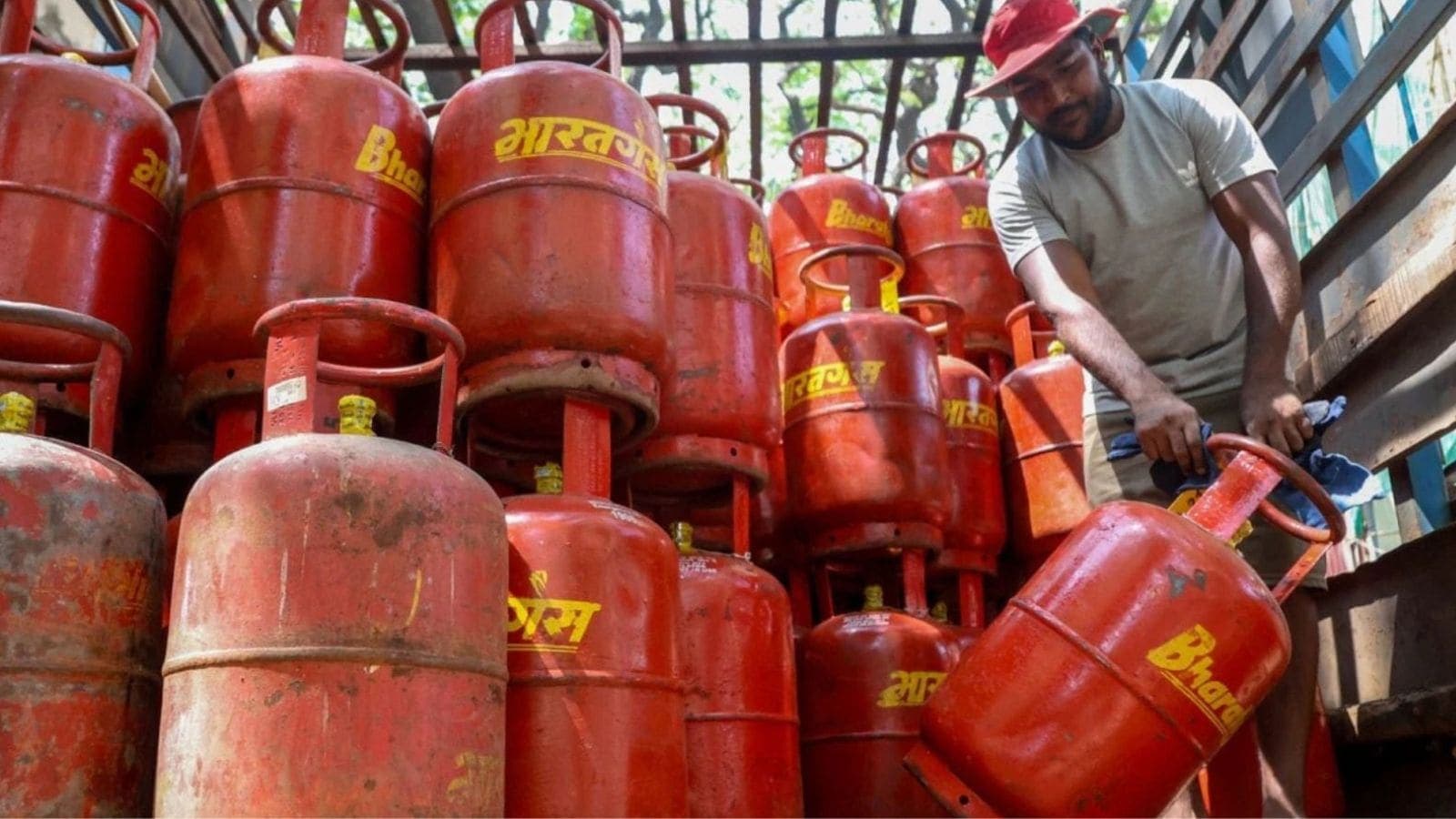
Commercial LPG prices have risen again, with increases of ₹42 in Delhi and ₹53.50 in Kolkata impacting businesses and consumers alike. Find out more.
Indian Express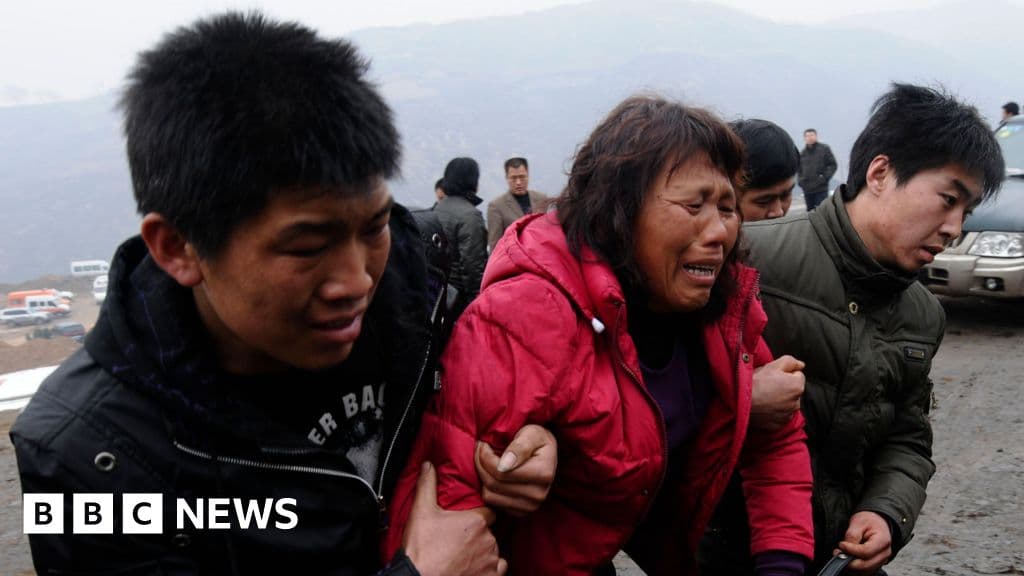
Discover how a tragic coal mine explosion in Shanxi, China, reveals ongoing safety concerns in the industry amidst a push for green energy.
BBC Business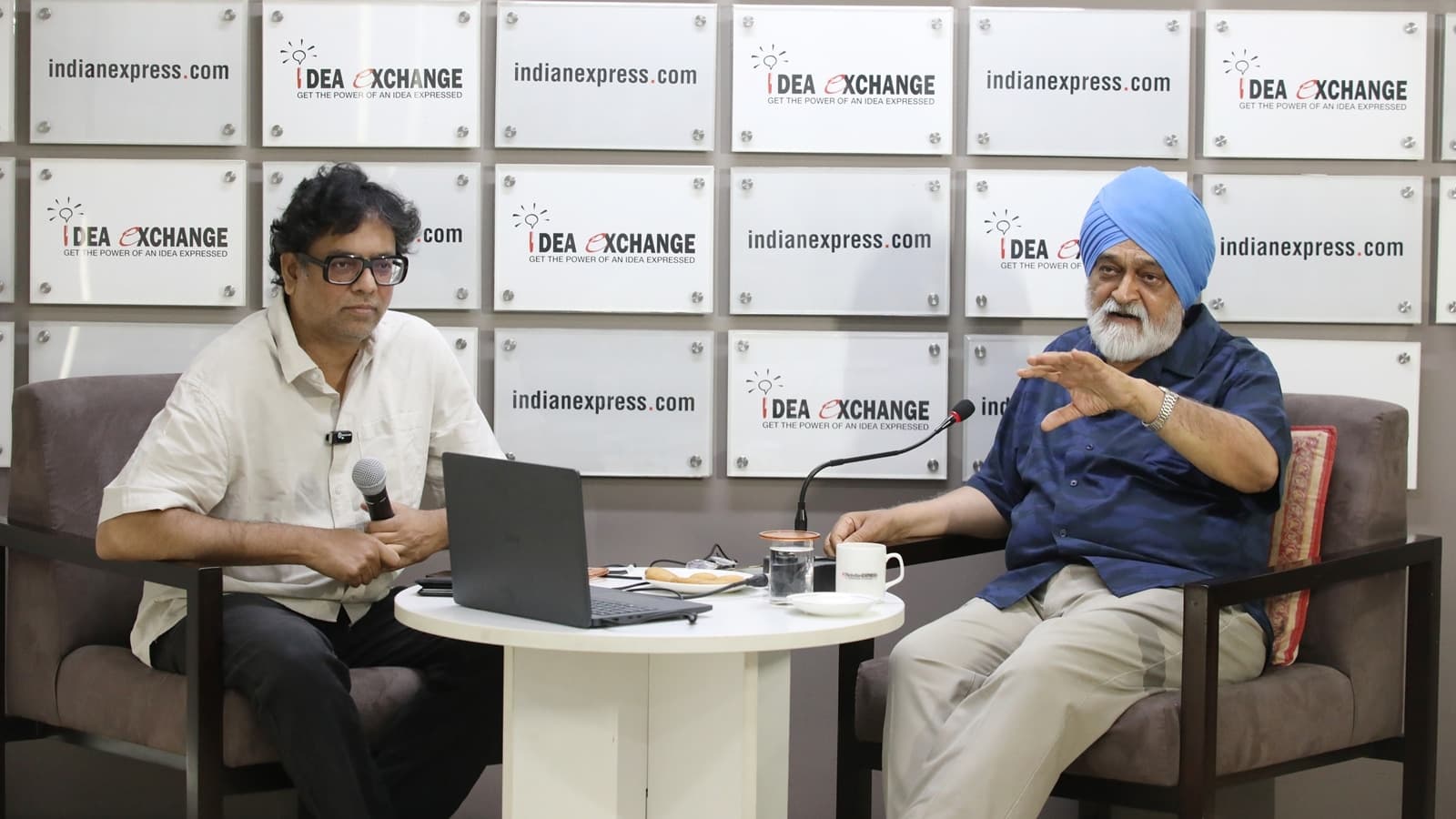
Montek Singh Ahluwalia highlights key economic challenges for India, emphasizing the need for a strategic approach to balance payments and investment.
Indian Express