
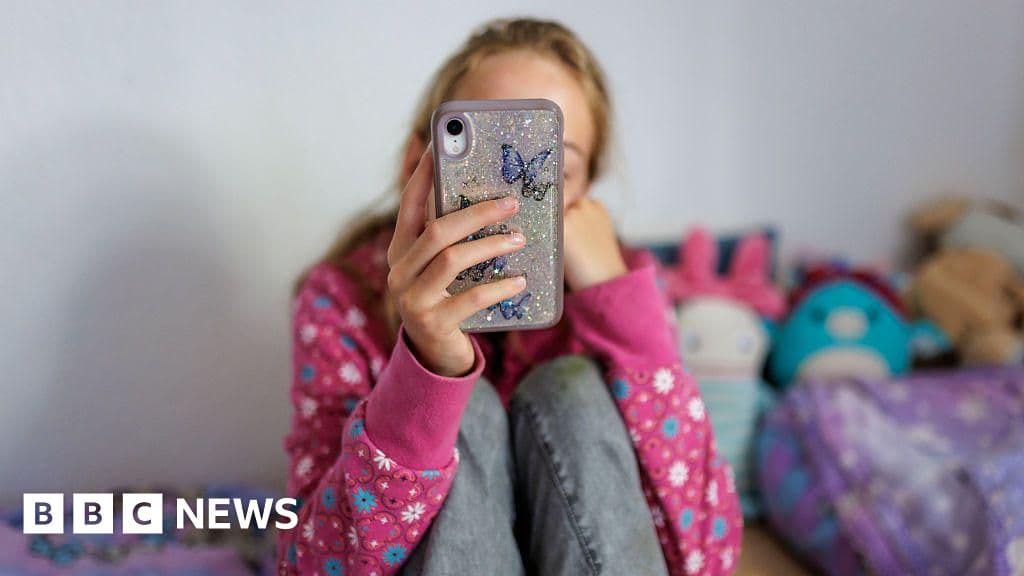
Image: BBC Business
Ofcom has deemed TikTok and YouTube unsafe for kids, urging stronger regulations. What should parents know about children's online safety?
GlipzoIn a shocking report, Ofcom has voiced serious concerns about the safety of children on popular platforms TikTok and YouTube, stating their content feeds are "not safe enough" for young users. This revelation comes as part of a broader initiative by the UK communications regulator to enhance protections for children navigating the online world.
The regulator's findings indicate a pressing need for social media giants to take significant action in safeguarding minors. Ofcom is pushing for stricter regulations, especially as it prepares to present its findings to the government, which is currently considering a ban on social media access for users under the age of 16. The clock is ticking on this consultation, and the stakes are high for both platforms and their young audiences.
Ofcom's report highlights that both TikTok and YouTube have failed to commit to substantial changes that would mitigate harmful content directed at children. The regulator asserts that despite claims from these platforms about their existing safety measures, the evidence suggests that children are still being exposed to content that poses risks.
According to Ofcom Chief Executive Dame Melanie Dawes, the regulator's concerns stem from a lack of adequate action from these companies to ensure the safety of underage users. This report serves as a wake-up call, urging platforms to take responsibility for the content they promote among young audiences.
In response to Ofcom's critical report, both TikTok and YouTube defended their platforms by pointing to existing safety features designed to protect young users. TikTok highlighted its decision to restrict direct messaging for users under 16, while YouTube noted its short-form video timer, allowing parents to set time limits for their children's use of the YouTube Shorts feature.
However, Ofcom remains unconvinced, insisting that the measures currently in place are insufficient to ensure a safe online environment. TikTok expressed disappointment over what it termed Ofcom's failure to recognize its efforts in enhancing safety features.
The critical report aligns with the sentiments of various stakeholders advocating for more robust protections for children online. Online safety researcher Prof. Victoria Baines commented on the findings, stating that the lack of effective age verification measures suggests that many underage users continue to access platforms meant for older audiences. This concern mirrors issues observed in other regions, such as Australia, where efforts to enforce age restrictions have met with limited success.
In contrast, platforms like Snap, Roblox, and Meta have taken steps to improve their safety protocols. For example, Snap has agreed to block unsolicited contact from adults to minors, while Roblox is allowing parents to disable direct chat for under-16s. Meta is implementing new tools to detect inappropriate conversations among teenagers.
The findings of Ofcom have sparked reactions from child safety advocates, including Andy Burrows, Chief Executive of the Molly Rose Foundation. He criticized major tech companies for being "complacent and evasive" in their responsibility to protect children from preventable harm. Burrows emphasized the need for Ofcom to act swiftly to reduce exposure to online dangers and suggested that personalized algorithms should be scrutinized to prevent the dissemination of harmful content.
As the report highlights various safety measures proposed by competing platforms, the disparity in approaches raises questions about the accountability of TikTok and YouTube regarding their young audiences. The growing scrutiny from regulators and advocacy groups may lead to more stringent requirements in the future.
With Ofcom's report bringing attention to the pressing need for better online safety measures, the next steps for TikTok and YouTube are crucial. As the UK government weighs the potential ban on social media for users under 16, platforms may find themselves compelled to make more significant changes to their policies and features.
Looking ahead, it's evident that the focus on child safety is becoming increasingly critical in the digital landscape. The ongoing debate about how social media platforms handle content could reshape the future of online interactions for younger users. Stakeholders will be watching closely to see how these companies respond to the mounting pressure for accountability and transparency in protecting children online.
As regulations evolve, users, parents, and advocacy groups will continue to demand safer environments for children navigating the complexities of social media. The actions taken in the coming months will be pivotal in determining the effectiveness of current safety measures and the necessity for further regulatory interventions.

Nvidia's new RTX Spark chip aims to transform personal computing with AI, marking a significant shift in technology. Discover what this means for consumers.
BBC Business
The explosion of Blue Origin's New Glenn rocket raises significant concerns over NASA's lunar ambitions and the future of Amazon's satellite projects. Discover the implications.
BBC Science
Discover how Meta's lack of engagement on user bans raises critical concerns about accountability and transparency in social media governance.
BBC Technology