

Image: Times of India
Nvidia's new Space chip promises advancements in satellite tech, but CEO Jensen Huang warns of challenges ahead. What does this mean for space exploration?
GlipzoIn a groundbreaking move, Nvidia has recently launched its latest Space chip, a significant advancement in technology aimed at transforming the aerospace industry. This release, which took place on October 5, 2023, introduces a new era for satellite operations and space exploration. However, amidst the excitement, CEO Jensen Huang has acknowledged that several challenges still loom on the horizon.
As the demand for advanced computing in space increases, Nvidia is positioning itself at the forefront of this technological revolution. The Space chip is designed to handle complex data processing tasks essential for real-time decision-making in challenging environments, such as outer space. Huang stated, "Our engineers are working tirelessly to address the unique challenges posed by space environments."
The new chip boasts several cutting-edge features that set it apart from previous models and competitors: - High-Performance Computing: Engineered to perform complex calculations at unprecedented speeds, essential for tasks like satellite image processing and AI-driven navigation. - Robustness to Space Conditions: Designed to withstand extreme temperatures, radiation, and other harsh conditions that satellites face in orbit. - Energy Efficiency: Optimized to consume less power while delivering high performance, which is crucial for long-duration space missions.
Nvidia's Space chip aims to revolutionize how satellites operate, enabling them to perform more sophisticated functions autonomously. With the growing trend of satellite constellations and increasing reliance on satellite data for various applications—from telecommunications to climate monitoring—this launch could not have come at a more critical time.
Despite the promising features, Huang did not shy away from discussing the hurdles that lie ahead. Among these challenges is the need for regulatory approvals and the complexities of integrating this advanced technology into existing satellite systems. He emphasized, "We have a long road ahead in ensuring that our technology meets industry standards and regulatory requirements."
Some of the key challenges include: - Integration with Existing Systems: Many satellite operators are still using older technologies, making it difficult to adopt new systems without significant upgrades. - Cost of Implementation: The investment required to transition to advanced computing systems can be prohibitive for smaller companies. - Rapidly Evolving Technology: Keeping pace with advancements in AI and machine learning while ensuring compatibility with space systems is a daunting task.
The implications of Nvidia's Space chip extend far beyond just performance enhancements. As the space industry continues to grow, the need for robust computing solutions becomes increasingly critical. The ability to process vast amounts of data in real time can lead to breakthroughs in various fields: - Climate Science: Enhanced satellite capabilities could enable more precise climate monitoring and forecasting. - Telecommunications: Improved satellite technology could revolutionize global communications, especially in remote areas. - Defense and Security: Advanced satellite systems are crucial for national security and monitoring potential threats.
Huang's acknowledgment of the challenges also reflects a broader trend in the tech industry, where innovation must be matched with practical application and regulatory compliance. The balance between pushing technological boundaries and ensuring safety and reliability is imperative for the future of space exploration.
As Nvidia rolls out its new Space chip, the coming months will be critical for gauging its impact on the aerospace sector. Key developments to watch include: - Partnerships with Satellite Manufacturers: Collaborations with leading satellite companies will be essential for integrating the new chip technology. - Regulatory Developments: Any changes in regulations that affect satellite technology could significantly influence the adoption of Nvidia's innovations. - Market Response: Observing how the market reacts to the pricing and performance of the Space chip will provide insights into its future success.
In conclusion, Nvidia's latest launch is not just about a new chip; it's about redefining the landscape of space technology. While challenges remain, the potential for transformative change is immense. The coming years could witness a significant shift in how we approach space exploration and satellite technology, driven by innovations like Nvidia's Space chip. As the industry evolves, stakeholders must remain agile to adapt to new technologies and regulations, paving the way for a more advanced and interconnected future in space.
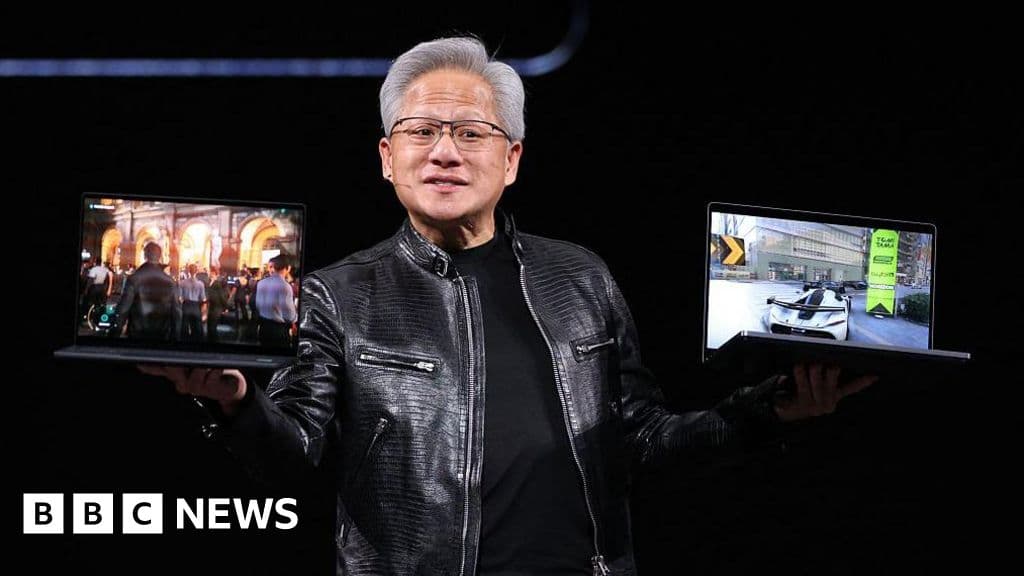
Nvidia's new RTX Spark chip aims to transform personal computing with AI, marking a significant shift in technology. Discover what this means for consumers.
BBC Business
The explosion of Blue Origin's New Glenn rocket raises significant concerns over NASA's lunar ambitions and the future of Amazon's satellite projects. Discover the implications.
BBC Science
Discover how Meta's lack of engagement on user bans raises critical concerns about accountability and transparency in social media governance.
BBC Technology