

Image: TechCrunch
Discover how Nvidia's DLSS 5 is set to revolutionize gaming graphics with generative AI, impacting the future of data analytics across industries.
GlipzoIn a stunning announcement during the Nvidia GTC keynote on Monday, CEO Jensen Huang unveiled the latest advancement in graphics technology: DLSS 5. This cutting-edge system harnesses generative AI to significantly enhance the realism of video games while simultaneously reducing the computational demands on hardware.
The new DLSS 5 is not just a simple upgrade; it represents a transformative leap in how graphics are rendered. By merging traditional 3D graphics data with generative AI models, DLSS 5 can intelligently predict and fill in missing elements within a scene. This innovation enables Nvidia’s graphic processing units (GPUs) to deliver intricate visuals and lifelike characters without the need to render every single detail from scratch.
Huang articulated this groundbreaking fusion, stating, "We fused controllable 3D graphics, the ground truth of virtual worlds, the structured data… with generative AI, probabilistic computing." This blend of structured data and predictive AI creates an environment where developers can craft visually stunning and highly controllable content.
Huang's vision extends beyond the gaming industry, where Nvidia has historically found its roots. Although gaming currently represents a smaller portion of Nvidia's revenue compared to its peak, the introduction of DLSS 5 signifies a pivotal shift that could influence various sectors, including enterprise computing.
He emphasized that the integration of structured data with generative AI is not just a trend but a foundational concept that will permeate multiple industries. According to Huang, “This concept of fusing structured information and generative AI will repeat itself in one industry after another. Structured data is the foundation of trustworthy AI.” This perspective highlights the potential for DLSS 5 to inspire innovations across diverse fields, enhancing the way data is utilized and interpreted.
Huang pointed to successful enterprise data platforms like Snowflake, Databricks, and BigQuery as examples of structured datasets that could be leveraged by future AI systems. These platforms are already popular in data analytics, and with the incorporation of DLSS 5 technology, they could evolve to provide even deeper insights and faster data processing capabilities.
“In the future, what’s going to happen is these data structures are going to be used by AI, and AI is going to be much, much faster than us,” Huang projected. He foresees a future where AI agents can seamlessly interact with both structured databases and generative databases, thereby representing a significant portion of the world's data.
The introduction of DLSS 5 is a critical moment not just for gaming enthusiasts but also for industries reliant on data analytics and visualization. As AI continues to evolve, the implications of this technology could redefine how we perceive and interact with digital environments.
As Nvidia rolls out DLSS 5, the tech community and gamers alike will be watching closely. The potential for this technology to reshape not only video game graphics but also comprehensive data analysis across industries is substantial. Tech enthusiasts should keep an eye on how game developers adopt this new technology, as it could herald the next generation of video gaming.
Moreover, the ongoing development of AI technologies means that we can anticipate further innovations that build on the foundations established by DLSS 5. For Nvidia, this could mark a new chapter in its legacy as a pioneer in gaming graphics and AI-driven solutions. As these advancements unfold, the intersection of gaming and enterprise applications will likely become a focal point for future discussion and development.
In conclusion, DLSS 5 stands as a testament to Nvidia's commitment to pushing the boundaries of what's possible in graphics technology, promising an exciting future for both gamers and industries at large.
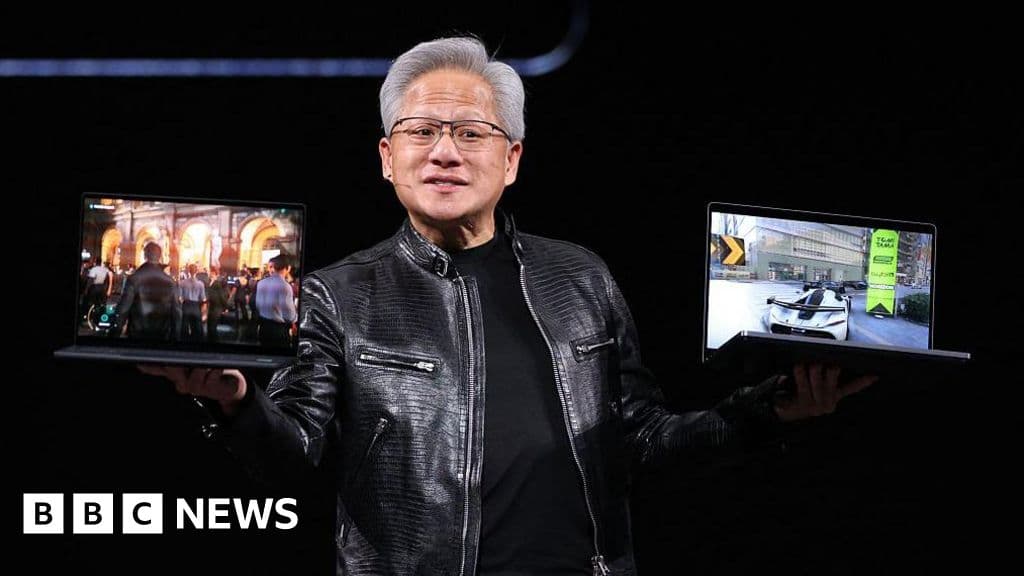
Nvidia's new RTX Spark chip aims to transform personal computing with AI, marking a significant shift in technology. Discover what this means for consumers.
BBC Business
The explosion of Blue Origin's New Glenn rocket raises significant concerns over NASA's lunar ambitions and the future of Amazon's satellite projects. Discover the implications.
BBC Science
Discover how Meta's lack of engagement on user bans raises critical concerns about accountability and transparency in social media governance.
BBC Technology