

Image: The Verge
Nvidia’s controversial AI character upgrades spark backlash among gamers. What does this mean for the future of gaming technology? Click to learn more!
GlipzoNvidia, the tech giant at the forefront of AI and gaming technology, has sparked significant controversy with its latest initiative aimed at enhancing the visuals of beloved video game characters. What was intended as a groundbreaking advancement in gaming graphics has instead become a lightning rod for criticism from gamers and industry experts alike. In a bold move, Nvidia introduced its DLSS 5 technology, which promises to elevate real-time lighting and character details. However, the focus on retroactively altering familiar characters from popular franchises has left many questioning the company’s understanding of its audience.
During its recent announcement, Nvidia appeared to imply that iconic characters, such as the students and professors of Hogwarts, were in dire need of a makeover, suggesting their appearances were inadequate for modern standards. This approach has not only alienated gamers but has also drawn ire for seemingly undermining the artistic integrity of game developers. Nvidia’s CEO, in response to the backlash, stated that critics were “completely wrong,” signaling a disconnect between corporate messaging and gamer sentiment.
The backlash stems from a few key issues with Nvidia's new technology, which many perceive as an AI filter that standardizes appearances at the expense of artistic vision. Critics have pointed out examples where characters have been altered drastically, such as: - A 15-year-old Hogwarts student now resembling an adult soap opera star - An aged professor made to appear even older - Shadows removed from games like Assassin’s Creed Shadows
These changes raise questions about the need for such alterations in established characters, leading gamers to wonder who benefits from these modifications. While Nvidia’s stock has soared, achieving a staggering $5 trillion market value as an AI powerhouse, the average gamer seems to have been sidelined in favor of corporate interests.
In the wake of the outcry, Nvidia has initiated damage control. Ben Berraondo, Nvidia's GeForce PR director, assured the public that developers, such as Capcom, maintain “detailed artistic control” over their characters' appearances. This defense, however, has done little to quell skepticism within the gaming community. Concerns about creative autonomy in an industry plagued by layoffs and corporate consolidation are at the forefront of gamers' minds.
Even Bethesda, the studio behind the highly anticipated game Starfield, weighed in on the discussion, emphasizing that the artistic teams will have the final say over any lighting adjustments made by Nvidia. Their tweet highlighted that the changes are in early stages and will be subject to the developers’ discretion, aiming to alleviate some concerns while reiterating the importance of artistic control.
The ongoing debate over Nvidia's new technology raises broader questions about the trajectory of gaming graphics. As gamers, we often find ourselves less impressed with graphical advancements in recent years. Unlike the dramatic leaps seen in earlier generations—like the transition from Super Nintendo to N64 or PS1 to PS2—modern enhancements often feel incremental and less impactful. Although Nvidia's technology promises a leap toward photorealism, many gamers remain skeptical about its execution.
Despite Nvidia's confident presentations, the reality is that many titles continue to suffer from issues like muddy graphics and rough textures, leaving players yearning for a true generational leap in visual fidelity. The potential for DLSS 5 to bridge this gap exists, but the current emphasis on retroactive character changes detracts from its promise.
This situation highlights a significant missed opportunity for Nvidia. The company could have positioned its new technology as a catalyst for future games, rather than focusing on revising established characters. By marketing DLSS 5 as a means to create immersive, next-gen gaming experiences, Nvidia could have garnered widespread excitement and approval from the gaming community.
Imagine a future where March 16, 2026 marks the launch of games utilizing DLSS 5 to revolutionize how players engage with their favorite titles—introducing stunning environments, lifelike characters, and unparalleled gameplay experiences. Instead, Nvidia's current strategy risks alienating its core audience.
As the gaming community continues to voice its concerns, Nvidia faces a crucial moment for reflection and strategy adjustment. The company's next steps will be critical in determining whether it can regain the trust and enthusiasm of gamers. Here are some key aspects to keep an eye on: - Reassurances from Developers: Will Nvidia’s partners provide clearer commitments to maintaining artistic integrity? - Community Feedback: How will Nvidia respond to ongoing gamer criticism? - Future Technology Announcements: Will the next iterations of Nvidia's technology focus on enhancing future gaming experiences rather than modifying existing characters?
In conclusion, as Nvidia navigates this backlash, it is imperative for them to realign their focus on the very gamers who have supported their rise. The future of gaming technology is bright, but it requires a partnership with the gaming community to fulfill its potential. Only time will tell if Nvidia can steer its ship back on course and deliver the innovations gamers truly desire.
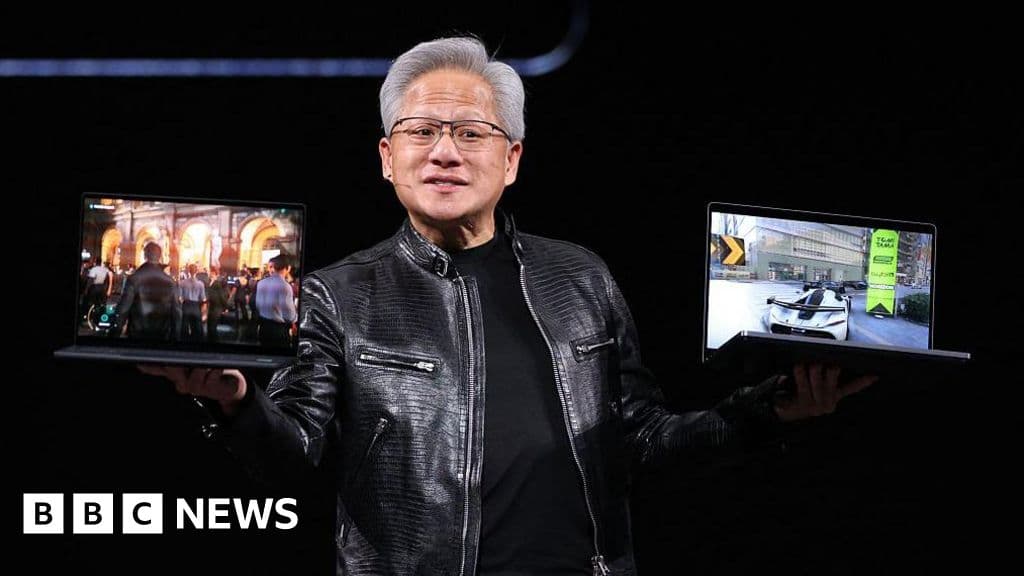
Nvidia's new RTX Spark chip aims to transform personal computing with AI, marking a significant shift in technology. Discover what this means for consumers.
BBC Business
The explosion of Blue Origin's New Glenn rocket raises significant concerns over NASA's lunar ambitions and the future of Amazon's satellite projects. Discover the implications.
BBC Science
Discover how Meta's lack of engagement on user bans raises critical concerns about accountability and transparency in social media governance.
BBC Technology