
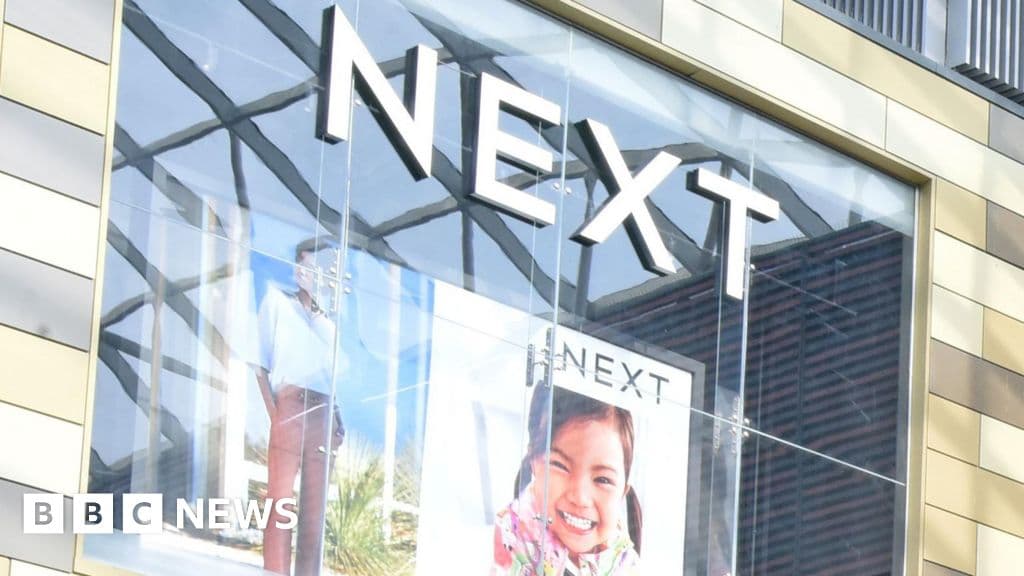
Image: BBC Business
Next plans to raise prices by up to 8% internationally due to rising costs linked to the Iran conflict. Explore this major shift in retail pricing.
GlipzoIn a significant move reflecting the ongoing turmoil in global affairs, Next, the renowned fashion and homeware retailer, has announced plans to increase prices by as much as 8% in specific international markets outside of Europe. This decision comes on the heels of escalating costs tied to the US-Israel conflict with Iran, which has severely impacted supply chains and fuel prices worldwide.
The company estimates that it will incur an additional £47 million in expenses this year, largely due to soaring fuel costs and disruptions stemming from the conflict in the Middle East. Next has indicated that these price adjustments will take effect starting in May, although it reassures customers that it is striving to avoid similar increases within the UK and European markets.
Fuel prices have surged dramatically since fighting erupted in late February, particularly as the Strait of Hormuz, a crucial shipping lane where 20% of the world’s oil and gas shipments pass, remains largely obstructed. Iran has pledged to maintain this blockade as long as the US continues its sanctions against Iranian ports. Initially, Next had projected an impact of £15 million on costs, which only accounted for the initial three months of the conflict.
Despite these challenges, Next has raised its full-year profit forecast to £1.22 billion, slightly up from £1.21 billion. This optimistic outlook follows a 6.2% increase in full-price sales during the first quarter, driven by a 4.4% rise in UK sales that exceeded expectations. The retailer is confident in its ability to offset the additional £47 million through a combination of price adjustments and operational savings.
Next has indicated that increased costs in the UK will be managed through strategic cost savings and improved factory-gate pricing. The retailer does not anticipate raising UK prices beyond the previously forecasted 0.6%. While the Middle Eastern conflict has created significant disruptions, Next asserts that trade has begun to stabilize towards the end of the first quarter, signaling a potential recovery.
International sales initially dipped as the conflict escalated, but recent weeks have shown a notable rebound, albeit with growth rates not matching those seen in the early weeks of the year. In contrast, Next has reported that in Europe, the impact of rising costs has been mitigated by favorable currency movements, eliminating the need for price hikes in that region.
Next has clarified that the upcoming price increases will vary by country, but will not exceed 8% in any single market. The retailer operates approximately 700 stores worldwide, with about 500 located in the UK. It also has stakes in various brands, including FatFace, Cath Kidston, and Victoria's Secret.
Despite the wider retail sector facing challenges, including alarming warnings from European chains like H&M about the potential for increased prices and decreased consumer spending, Next has managed to maintain a relatively robust performance. The company has successfully navigated the retail landscape by rescuing Russell & Bromley from potential collapse and acquiring the maternity wear brand Seraphine out of administration.
The ongoing conflict in the Middle East is casting a shadow on consumer confidence across various sectors. The chief executive of Pandora, a prominent jewelry brand, recently shared insights on the current climate, stating that consumer confidence is not at its peak. High inflation and rising interest rates have left many consumers with reduced disposable income, leading to cautious spending habits.
Next's approach to maintaining its profitability amid these challenges highlights the importance of strategic planning and adaptability in today's volatile economic environment. As the company prepares for price changes in international markets, it remains committed to providing value to its customers while navigating the complexities introduced by global conflicts.
Looking forward, it will be crucial to monitor how Next and other retailers adapt to ongoing changes in the international landscape. The potential for further disruptions in supply chains or fluctuating fuel prices could impact pricing strategies and sales performance.
As Next implements its price increases, it will also be important to watch how consumer sentiment evolves in response to these changes. Retailers across the board will need to remain agile, balancing the pressures of rising costs with the need to maintain consumer loyalty and confidence. The broader implications of these price adjustments will resonate throughout the retail sector, affecting everything from consumer behavior to market competition in the coming months.
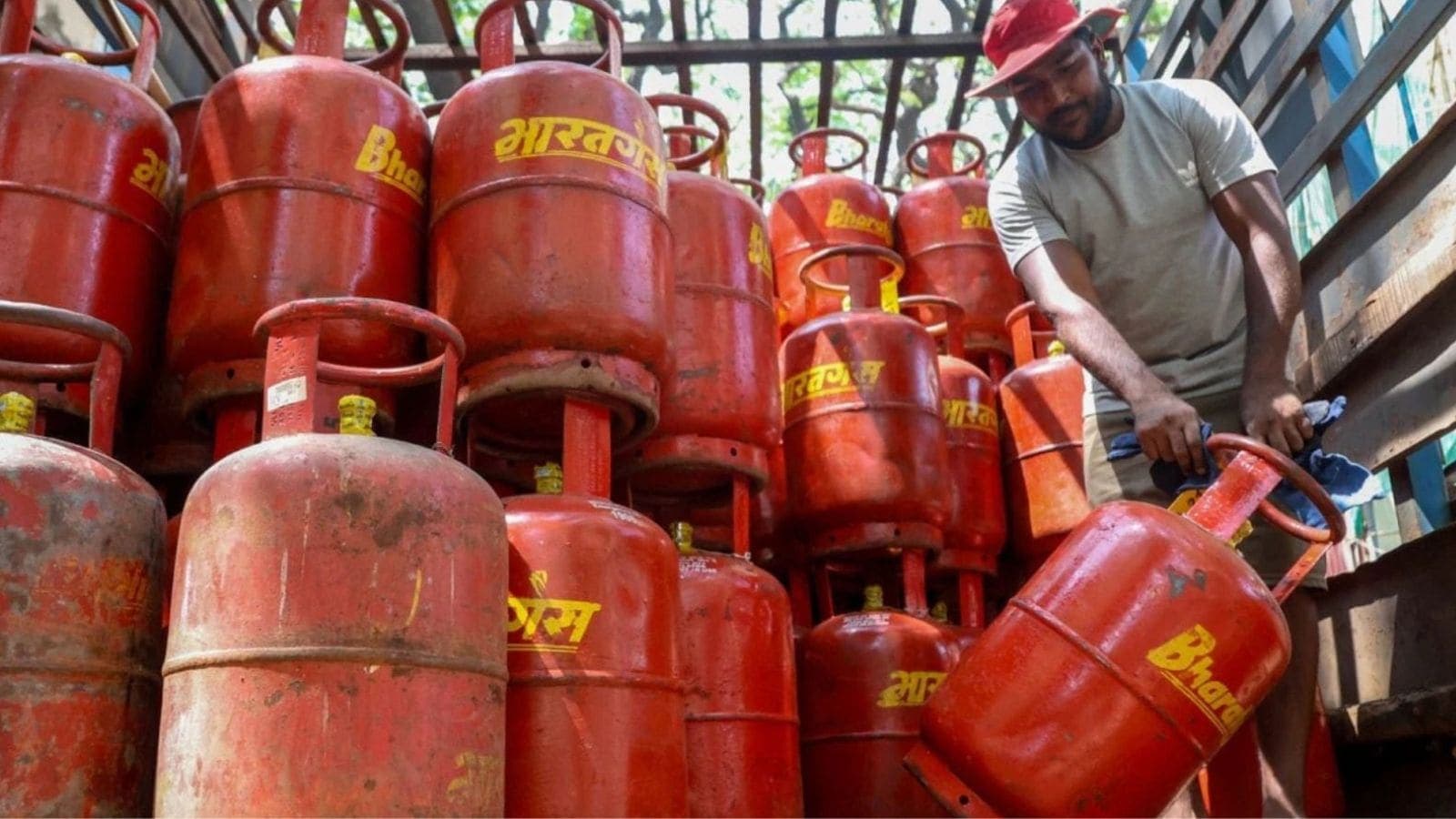
Commercial LPG prices have risen again, with increases of ₹42 in Delhi and ₹53.50 in Kolkata impacting businesses and consumers alike. Find out more.
Indian Express
Discover how a tragic coal mine explosion in Shanxi, China, reveals ongoing safety concerns in the industry amidst a push for green energy.
BBC Business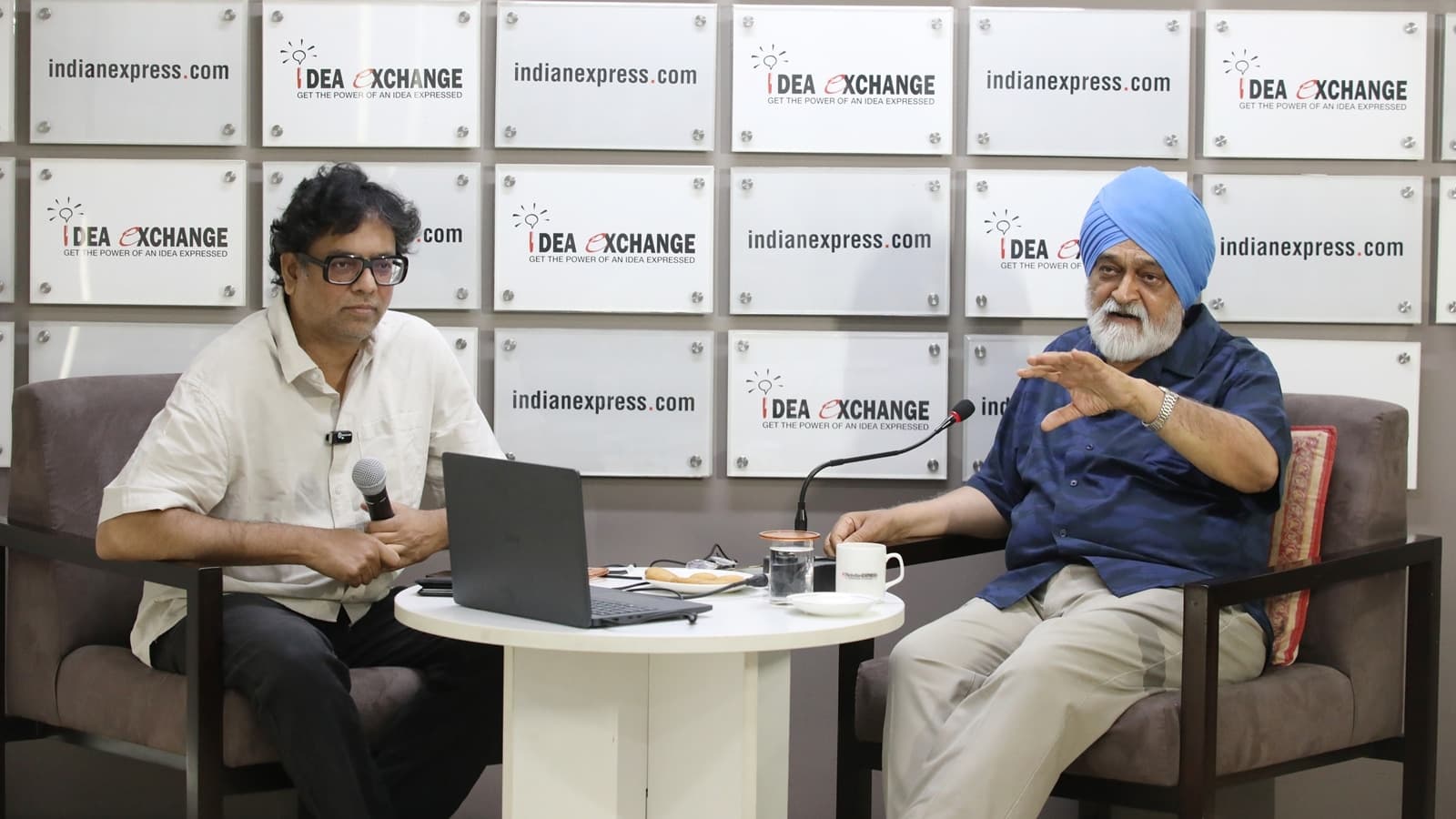
Montek Singh Ahluwalia highlights key economic challenges for India, emphasizing the need for a strategic approach to balance payments and investment.
Indian Express