
Image: BBC Business
New laws crack down on driving test resellers in the UK, aiming to ease long wait times and protect learner drivers from inflated fees.
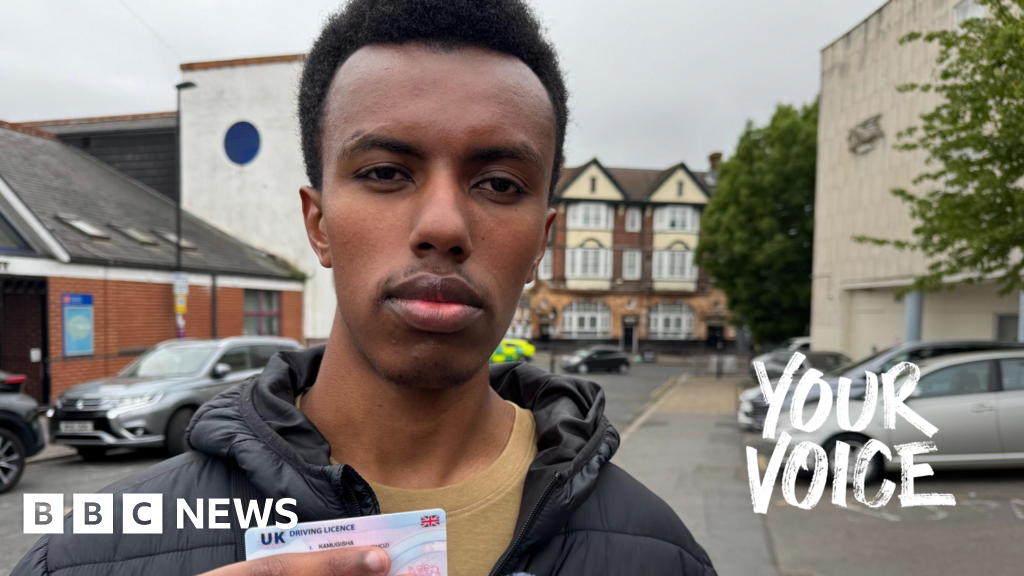
GlipzoIn the UK, the quest for a driving license has become a tale of desperation for many learner drivers, with waiting times for tests reaching staggering lengths. Robert Kamugisha, a 21-year-old criminology student from Croydon, found himself in a tough spot when he couldn't secure a timely driving test. After enduring months on a waiting list, Robert decided to pay a significant fee to skip the line, spending £726 to book three test slots through resellers who exploit the system. The standard fee for a driving test stands at £62, highlighting the dramatic mark-up that these resellers impose on desperate learners.
This recent trend has caught the attention of the government, prompting new regulations aimed at curbing the black market for driving test appointments. The recent law changes prohibit anyone other than the learner from booking a driving test, targeting those third-party operators who utilize bots to snatch up available slots. Although these measures come too late for Robert, they signal a significant shift in how driving tests will be managed moving forward.
The pressure to obtain a driving license has never been greater, as many individuals find themselves in precarious financial situations due to prolonged waiting times. According to data from the Driver and Vehicle Standards Agency (DVSA), the average wait time for a practical driving test in Great Britain has ballooned to 22.3 weeks as of April 2026. The figures vary slightly across regions, with Scotland facing a wait of 22.9 weeks, England at 22.7 weeks, and Wales at a relatively shorter 17.3 weeks. These delays have created a ripe environment for the rise of a black market for test slots, where opportunistic resellers take advantage of the high demand.
Robert's experience is not unique. After his driving instructor suggested that he use a reseller to secure a quicker appointment, he found himself paying an inflated price for the possibility of passing his test. While he did eventually succeed on his third attempt, the financial strain was significant, costing him £1,176 in total when factoring in the use of his instructor's car.
Driving instructors have noted a dramatic increase in the black market for driving tests, with many learners desperate enough to pay exorbitant fees to bypass the traditional booking system. Sophie Stuchfield, a driving instructor from Watford, shared her experiences with the BBC, revealing the extent of the problem. She has received thousands of unsolicited messages from individuals attempting to sell test slots at prices ranging from £200 to £300.
"People have found ways to manipulate the system to be able to book thousands of driving tests themselves to then be able to resell on for a massively high inflated fee," Stuchfield explained. This rampant exploitation raises ethical concerns, especially as some instructors reportedly charge their students additional fees on the day of the test, sometimes revealing these charges only shortly before the appointment.
The government's recent legislative changes aim to address this growing issue. As of this week, it is now illegal for anyone other than the learner driver to book their driving test with the DVSA. This move is designed to prevent third parties from accessing the booking system and profiting from the desperation of learner drivers. According to the government, those found selling or altering test appointments on behalf of others will face legal consequences.
While these new rules do not directly shorten the waiting times for driving tests, they are a crucial step toward dismantling the black market that has flourished in recent years. Stuchfield has reaffirmed her commitment to ethical practices by refusing to charge additional fees for the use of her car during tests, setting her apart from instructors who exploit the situation.
This situation underscores a larger issue within the UK driving test system. The backlog created during the pandemic has led to a chaotic environment where learners are forced to navigate unregulated markets to secure their driving tests. By enforcing stricter booking regulations, the government aims to restore fairness in the process and enhance the overall experience for learner drivers. This is particularly vital as the ability to drive is not just a personal milestone but a necessary skill for employment and independence in many cases.
As the DVSA works to implement these changes, it remains to be seen how effective they will be in curbing the black market and reducing waiting times. For many learner drivers like Robert, the hope is that these new regulations will create a more equitable system where everyone has a fair chance at securing their driving test without the burden of inflated costs.
In the coming months, it will be critical to monitor the effects of these new laws on driving test availability and waiting times. Learner drivers will be watching closely to see if these changes lead to a decrease in the lengthy wait periods that have become commonplace. Additionally, how the DVSA adapts its strategies to handle the demand for driving tests will play a significant role in shaping the future of driving education in the UK. As the landscape evolves, potential reforms and improvements to the system will be vital in ensuring that all individuals have access to the driving tests they need without falling victim to unscrupulous resellers.
In summary, while Robert's experience highlights the desperation felt by many learners, it also serves as a call to action for systemic change within the driving test framework, paving the way for a more just and accessible process for future generations of drivers.
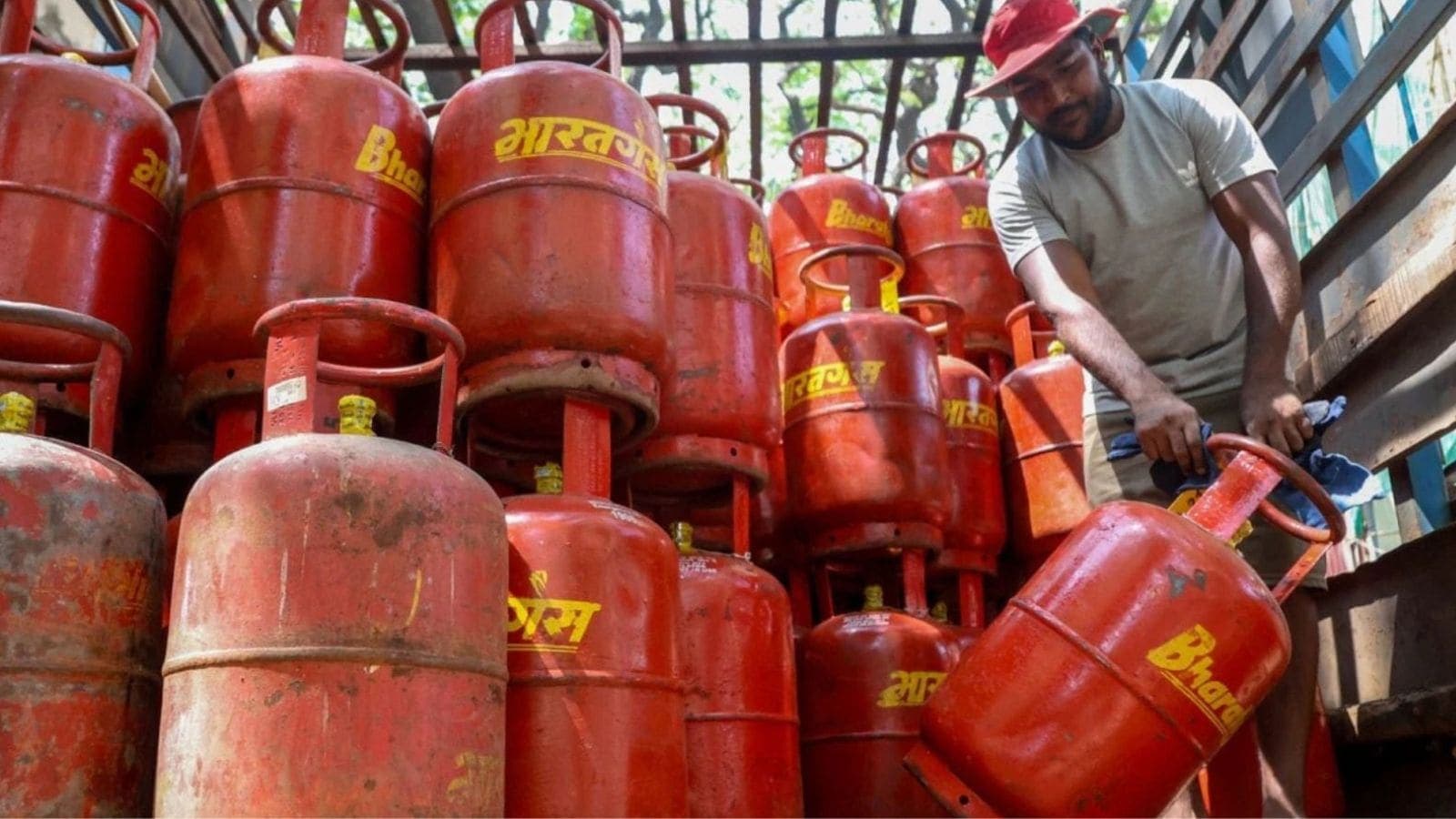
Commercial LPG prices have risen again, with increases of ₹42 in Delhi and ₹53.50 in Kolkata impacting businesses and consumers alike. Find out more.
Indian Express
Discover how a tragic coal mine explosion in Shanxi, China, reveals ongoing safety concerns in the industry amidst a push for green energy.
BBC Business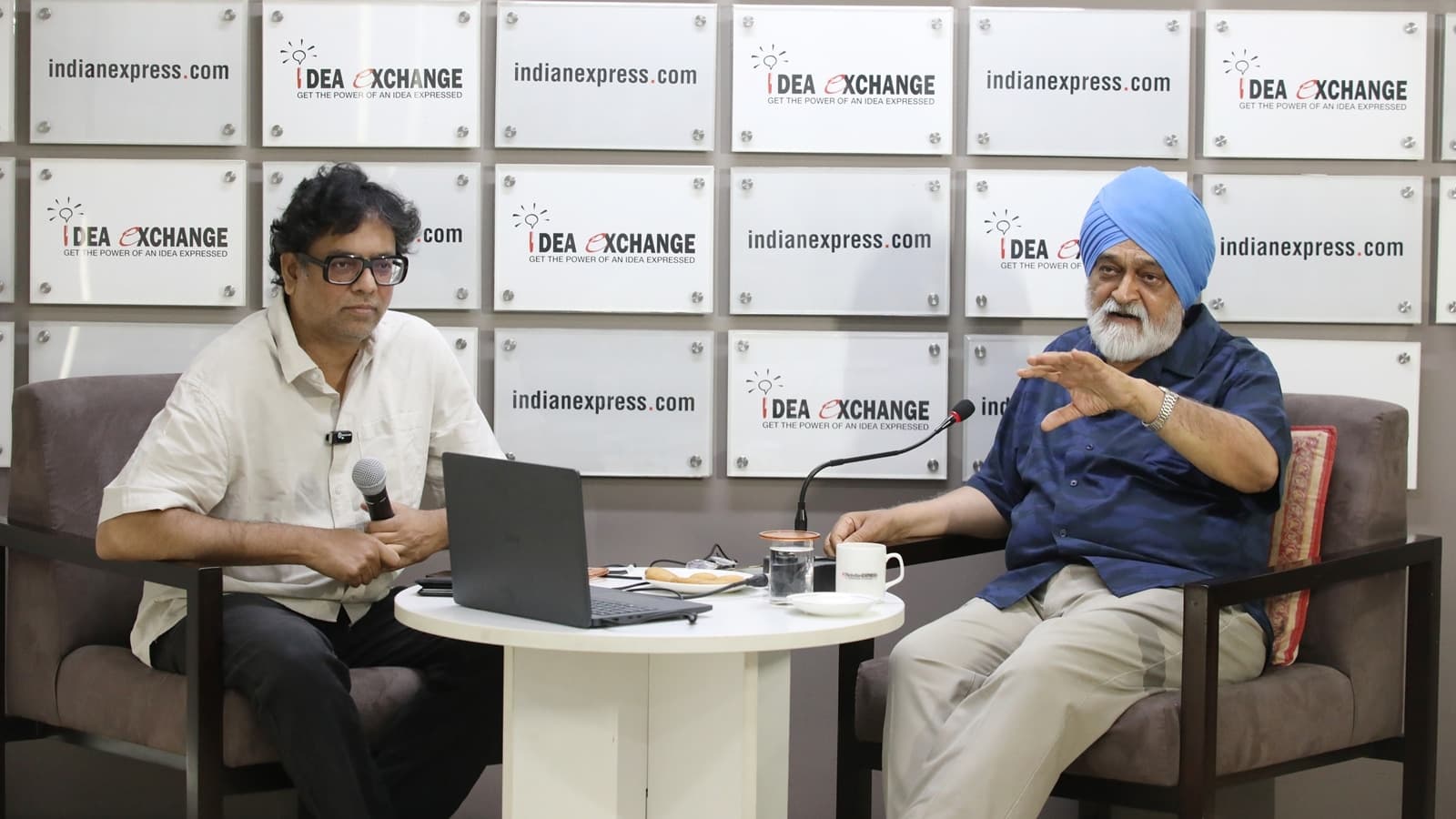
Montek Singh Ahluwalia highlights key economic challenges for India, emphasizing the need for a strategic approach to balance payments and investment.
Indian Express