
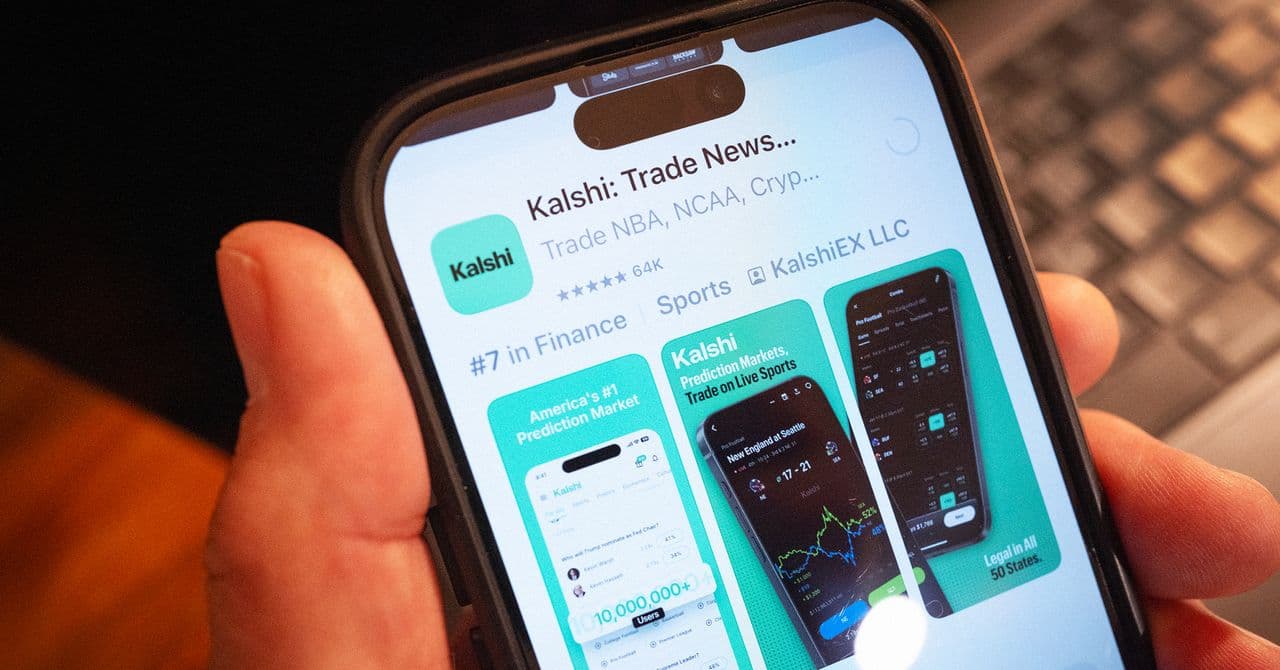
Image: Wired
Kalshi faces a temporary ban in Nevada as legal battles over prediction markets escalate. What does this mean for the future of prediction markets in the U.S.?
GlipzoIn a significant development for the world of prediction markets, Kalshi has been temporarily prohibited from operating in Nevada. This decision follows a 14-day restraining order issued by the First Judicial District Court of Nevada, which took effect immediately. The court's order mandates that Kalshi refrain from offering a derivatives exchange and prediction markets for event-based contracts tied to sports, elections, and entertainment events unless the company secures the necessary gaming licenses.
This ruling marks a pivotal moment, as it is the first instance of a U.S. state compelling Kalshi to halt its operations. The company has chosen not to comment publicly on this legal challenge.
The conflict between Kalshi and Nevada regulators dates back to 2022 when the state authorities initially issued a cease-and-desist letter. This letter demanded that Kalshi cease its offerings related to sports events, triggering a protracted legal struggle that has seen the case oscillate between state and federal courts. Until now, the company managed to continue its operations while its legal team engaged in a complex battle with state regulators, which Kalshi described as a “jurisdictional quagmire.”
As the 14-day period unfolds, the court will evaluate whether to extend the ban for the duration of the ongoing case. Notably, legal expert and gaming attorney Daniel Wallach expressed that there is a strong likelihood the judge will convert this temporary restraining order (TRO) into a long-term preliminary injunction.
The recent ruling comes at a time when Kalshi is already facing heightened scrutiny. Just days prior to the Nevada decision, the Arizona attorney general filed criminal charges against Kalshi, accusing the company of operating an illegal gambling enterprise. In response, Kalshi preemptively filed a lawsuit aimed at challenging Arizona regulators' efforts to enforce state gambling laws against it.
This legal turmoil in Arizona is part of a broader trend, as various states engage in similar disputes regarding whether prediction markets should comply with state gambling regulations. Ongoing legal battles are also occurring in states like Ohio, Tennessee, and Massachusetts.
Kalshi is among several prominent platforms that facilitate sports-related contracts for users aged 18 and older across the United States, even in states where sports betting is banned. This situation raises significant questions about the legality and regulation of prediction markets:
These discrepancies have sparked outrage among a growing number of bipartisan lawmakers.
Kalshi argues that its event contracts, which allow users to bet on outcomes such as the Super Bowl winner or specific March Madness matchups, should not be categorized as gambling. Instead, the company asserts they should be classified as financial instruments known as swaps. This position has received backing from the Commodity Futures Trading Commission (CFTC), which oversees swaps and derivatives markets at the federal level.
The CFTC's leadership, particularly Michael Selig, has firmly rejected claims that prediction markets should be subjected to state gambling regulations, stating that those who disagree will be met in court.
Despite the federal government’s support, various state attorneys general and gaming commissions have persisted in their legal pursuits against prediction markets. Some notable successes have been achieved, such as the January ruling that blocked Polymarket from operating in Nevada, with its temporary restraining order lasting until April. Although Polymarket has a limited presence in the U.S., the bulk of its trading occurs via its global exchange, which remains accessible to users utilizing Virtual Private Networks (VPNs) to bypass restrictions.
In a recent move, a judge in Ohio denied Kalshi's request for a preliminary injunction that would have prevented state regulators from pursuing action against the company for alleged violations of state gambling laws.
As Kalshi navigates these legal challenges, the outcome of its case in Nevada may set a precedent for other prediction market platforms facing similar scrutiny across the United States. With state regulators increasingly asserting their authority over prediction markets, the future landscape of this emerging sector could be drastically altered.
Key questions loom: Will Kalshi successfully argue its case in court, or will it face further restrictions? How will the legal framework evolve as more states engage in regulatory battles over prediction markets? As this situation develops, all eyes will be on Kalshi and its legal strategy, as well as the response from regulators across the nation.
The outcome of Kalshi's legal battles is crucial not only for the company but also for the future of prediction markets in the United States. This case highlights the ongoing tension between state and federal regulations and could determine how these innovative financial instruments are classified and regulated in the future.
Forward-looking analysis: Stakeholders in the prediction market industry should closely monitor this case and similar legal challenges to understand the evolving regulatory landscape and prepare for potential changes in compliance requirements.

Commercial LPG prices have risen again, with increases of ₹42 in Delhi and ₹53.50 in Kolkata impacting businesses and consumers alike. Find out more.
Indian Express
Discover how a tragic coal mine explosion in Shanxi, China, reveals ongoing safety concerns in the industry amidst a push for green energy.
BBC Business
Montek Singh Ahluwalia highlights key economic challenges for India, emphasizing the need for a strategic approach to balance payments and investment.
Indian Express