
Image: BBC World
A plane ditched in the Atlantic with 11 aboard, all rescued. Discover the miraculous story of survival and what it means for aviation safety.
GlipzoOn a seemingly ordinary day, pilot Ian Nixon, with 25 years of aviation experience, found himself in an unimaginable situation. On Tuesday, as he navigated a routine 20-minute flight from Marsh Harbour in the Bahamas to Freeport, everything that could go wrong did. In a shocking turn of events, Nixon's plane encountered a series of catastrophic failures: the navigation system malfunctioned, the radio went silent, and both engines failed. This harrowing incident left him and 10 passengers stranded in the Atlantic Ocean, approximately 175 miles north of Miami.
“I wasn’t able to reach anybody on the radio for a while,” Nixon recounted. His attempts to communicate with Freeport, Bahamas, and Miami radio were futile, leaving him desperate and without guidance as the aircraft succumbed to failure. Amidst the chaos, Nixon was left with no other choice but to perform a ditching maneuver—an action taken only when all alternatives have been exhausted.
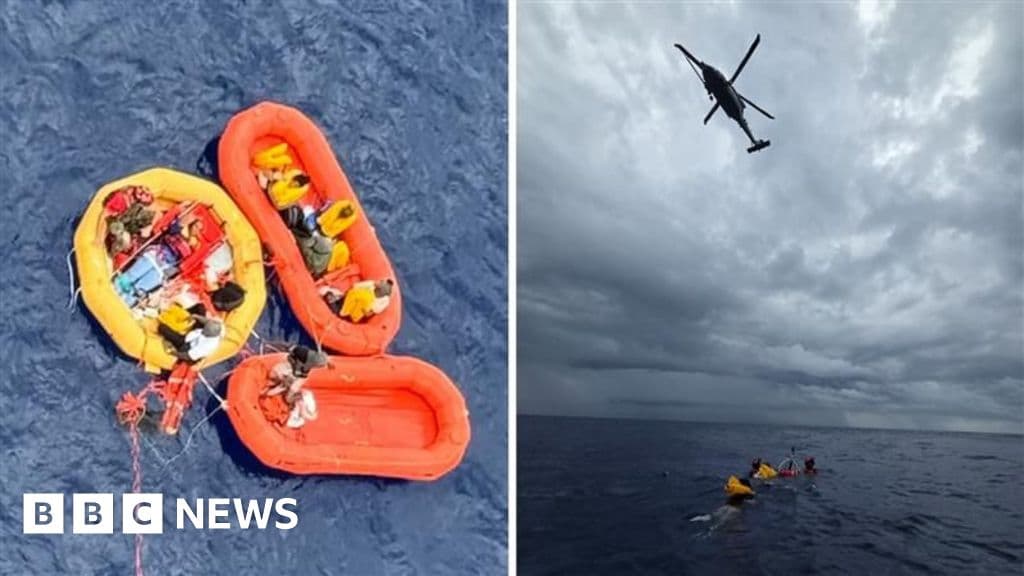
As the plane descended into the ocean, Nixon’s first thought was one of sheer relief: “We didn’t die.” However, the fight for survival was far from over. The group found themselves in a precarious situation, awaiting rescue in a life raft, surrounded by the vastness of the Atlantic.
In the life raft, Nixon faced the daunting task of keeping the spirits of his passengers high. “I told them: ‘In the next 10 minutes, a plane is going to come,’” he reassured them, trying to offer a glimmer of hope in a dire situation. Moments later, one of the passengers thought they heard a distant sound. It was a helicopter from the U.S. Air Force 920th Rescue Wing, which had been conducting a training mission when they were rerouted to assist in the rescue operation after the emergency locator transmitter signaled a distress call.
The rescue operation was urgent; as Capt. Rory Whipple noted, “They had already been in the raft for about five hours. You could tell just by looking at them that they were in distress—physically, mentally, and emotionally.”
The Air Force rescue team worked against the clock, racing to reach the stranded group before needing to refuel. “I have not known anyone to survive a ditching in the ocean,” said Maj. Elizabeth Piowaty, an aircraft commander involved in the rescue. “And, from what I’ve seen, I mean, for all those people to survive is pretty miraculous.”
The rescue concluded successfully, with all 11 individuals taken to a hospital in Florida, where they received medical attention. Fortunately, only three passengers sustained minor injuries. The atmosphere was one of overwhelming relief. “Everybody was rejoicing to know that we got saved because we thought we were going to die,” recalled Olympia Outten, one of the passengers. “That was a scene that was just like it was a movie.”
As the dust settles from this harrowing ordeal, Bahamian authorities have launched an investigation into the cause of the crash. Understanding the factors that led to such a critical situation is vital for preventing future incidents and ensuring the safety of air travel in the region.
This incident not only highlights the resilience of the human spirit but also raises important questions about aviation safety standards, especially in smaller aircraft operating in challenging environments like the Caribbean. The Bahamian aviation authorities will likely scrutinize the safety protocols and equipment used in such flights, as many travelers may now reconsider the risks associated with short flights in small planes.
As investigations proceed, it is crucial to monitor the developments in aviation safety regulations in the Bahamas and surrounding regions. With the aviation industry under constant scrutiny, this incident could serve as a catalyst for change. Future flights will likely undergo more rigorous checks, and passengers may demand greater transparency regarding their safety. Additionally, the miraculous survival of all on board serves as a reminder of the importance of effective emergency training for pilots and crew members.
In conclusion, the extraordinary survival of Ian Nixon and his passengers is a testament to human resilience, the effectiveness of search and rescue operations, and the ongoing need for enhancements in aviation safety protocols. As we reflect on this event, let us remain vigilant in ensuring that such miraculous rescues are not merely fortunate outcomes, but the result of robust safety measures in place to protect lives.
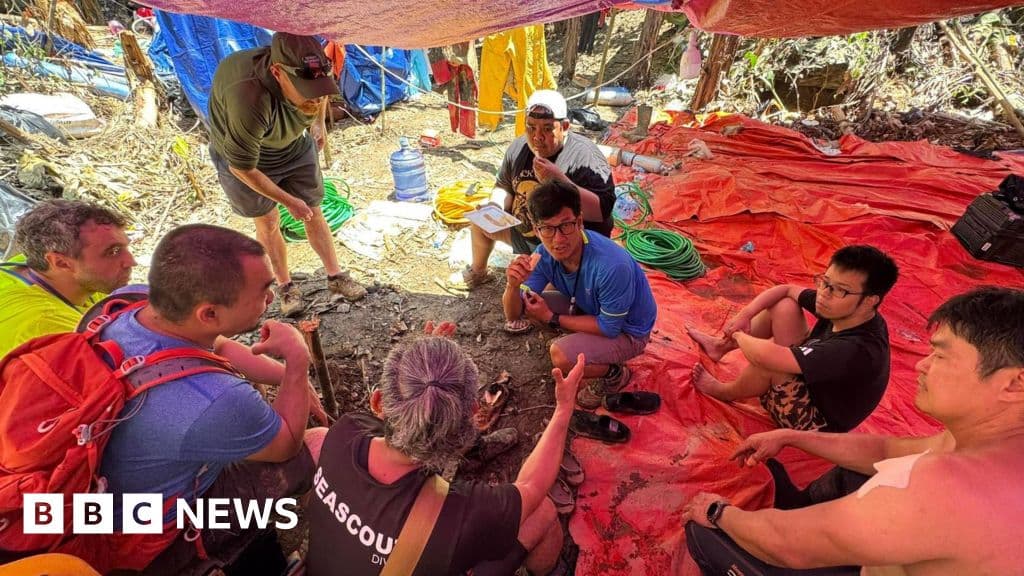
Survivors of the Laos cave rescue are aiding efforts to find the last two missing men trapped inside, sharing crucial insights for the search operation.
BBC World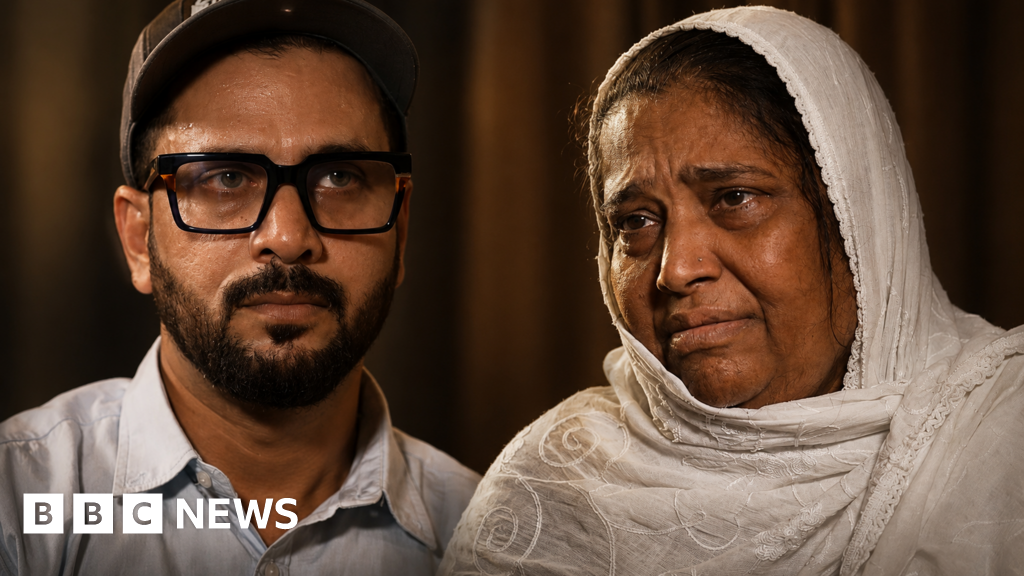
A year after the tragic Air India crash, the Ali family reflects on grief, unanswered questions, and the enduring bonds of love in the face of loss.
BBC Business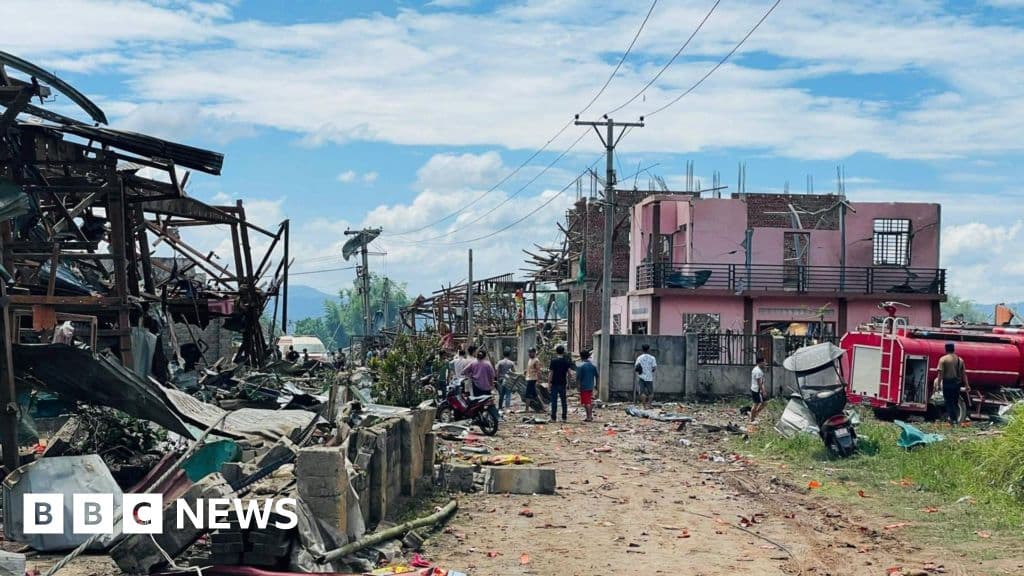
A devastating explosion in Myanmar's Kaung Tat village has killed at least 55 people, raising serious safety concerns and questions about civilian protection in conflict zones.
BBC World