
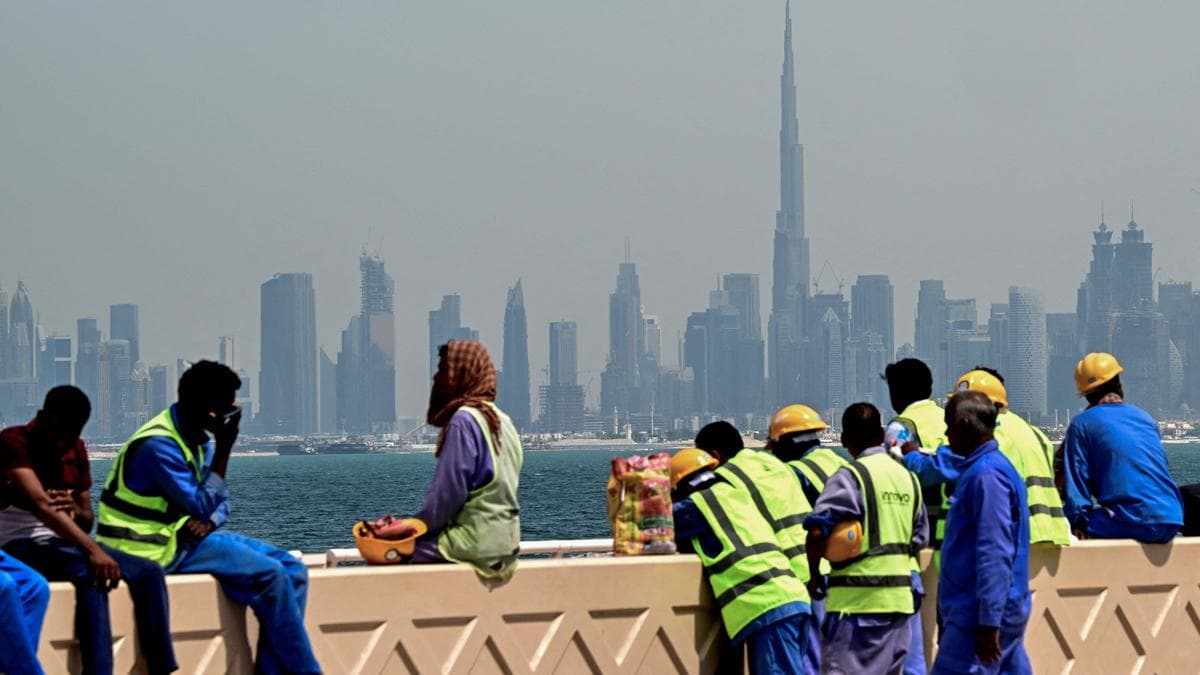
Image: The Hindu
Migrant workers in the Gulf face deadly risks amid escalating attacks. Learn how families are impacted in this critical situation.
GlipzoOn March 11, 2026, the escalating tensions between Iran and Gulf states reached a tragic climax when Ahmad Ali, a 55-year-old Bangladeshi migrant worker, lost his life in a missile attack while delivering water in the United Arab Emirates (UAE). This incident not only marks a profound personal loss for Ali's family but underscores the critical vulnerability of migrant workers in the region amid ongoing military hostilities.
Ali’s son, Abdul Hoque, expressed his devastation, stating, "My dad told my cousin he would be back soon. But those were his last words. He died instantly when his van was hit." This heartbreaking account highlights the risks faced by the vast population of migrant laborers, who often work in hazardous environments yet remain essential to the economies they support.
Since February 28, Tehran has unleashed a series of missile and drone strikes against Gulf nations in retaliation for U.S. and Israeli actions targeting Iranian interests. In a region that hosts over 35 million migrant workers, primarily from South Asia, foreign laborers have become some of the most affected by the violence.
According to a tally by AFP, among the fourteen civilians killed in the conflict, eight were foreign nationals from countries including Pakistan, Nepal, Bangladesh, and India. These individuals often occupy the lowest-paying jobs, making them particularly vulnerable during such crises.
For many of these workers, leaving the Gulf is not an option. Many have accrued debt to pay recruitment fees and support families relying on their remittances. Abdul Hoque lamented his father's passing, saying, "That dream has ended with his death. My mother and my three siblings are still in shock."
The tragic fate of Murib Zaman Nizar, a 44-year-old Pakistani migrant worker, further emphasizes the perilous situation. Nizar was killed in Abu Dhabi under similar circumstances when debris from an intercepted drone struck his vehicle. As a father of five, Nizar’s loss leaves his family devastated and struggling to cope with the sudden absence of their primary breadwinner.
His brother, Muhammad Khan, shared the family's grief from Bannu, Pakistan. "He was a family man who wanted to give the best life to his five children. And now he is gone," Khan said, highlighting the profound impact of the conflict on families far beyond the immediate vicinity of the violence.
Despite the ongoing threats, many migrant workers continue to fulfill their roles. As several Gulf nations transition to remote work and online schooling, the streets remain populated with laborers striving to maintain a semblance of normalcy. Binoy, an Indian engineer in Dubai, voiced the collective anxiety felt by many. "We are trying to stay calm and continue working as usual," he stated, though he acknowledged the unsettling nature of the frequent explosions from air defense systems.
Health professionals like Jane, a Filipino nurse, are also navigating the stress of working during such tumultuous times. "Two days ago, I was walking home early in the morning after my night shift when I heard loud booms," she recounted, emphasizing the psychological toll the situation has on workers and their families.
The plight of migrant workers in the Gulf amid military conflict raises critical questions about their safety and the broader implications for Gulf economies. These workers are not just numbers; they are individuals with families, aspirations, and dreams that are now threatened by geopolitical tensions.
As tensions between Iran and the Gulf states show no signs of abating, the need for protective measures for migrant workers becomes increasingly urgent. Governments and organizations must address the systemic vulnerabilities that put these individuals at risk.
As the conflict continues, the situation for migrant workers in the Gulf is likely to deteriorate further. The international community must pay attention to their plight and advocate for stronger protections and support systems.
In conclusion, the tragic experiences of Ahmad Ali and Murib Zaman Nizar spotlight the urgent need for action to safeguard the lives of migrant workers amidst escalating geopolitical tensions in the Gulf region.
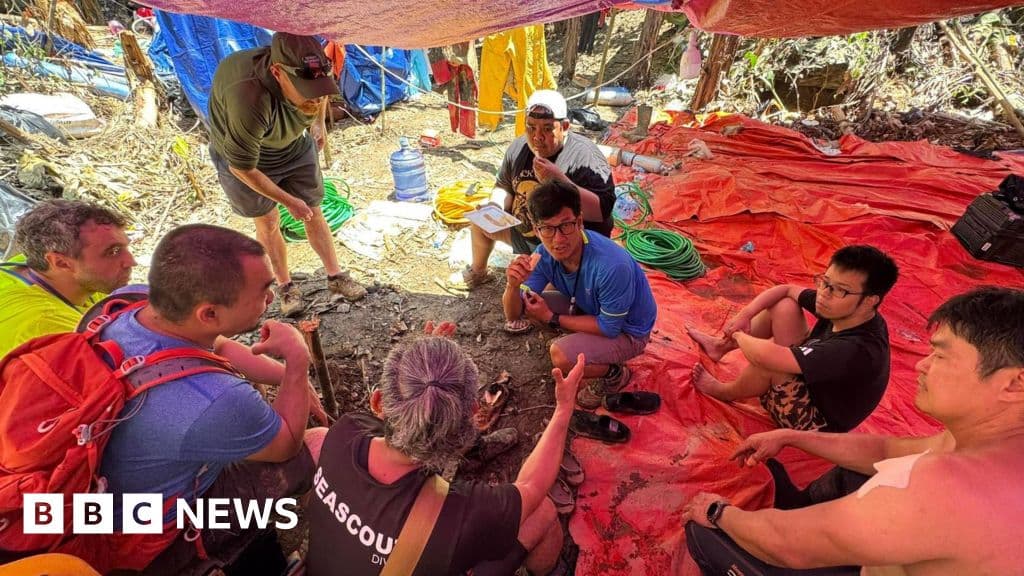
Survivors of the Laos cave rescue are aiding efforts to find the last two missing men trapped inside, sharing crucial insights for the search operation.
BBC World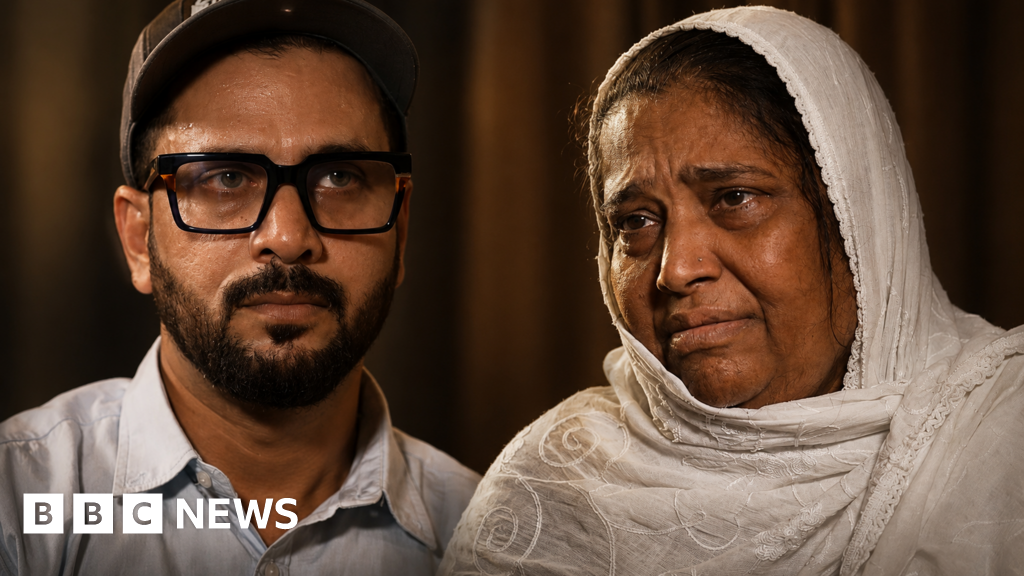
A year after the tragic Air India crash, the Ali family reflects on grief, unanswered questions, and the enduring bonds of love in the face of loss.
BBC Business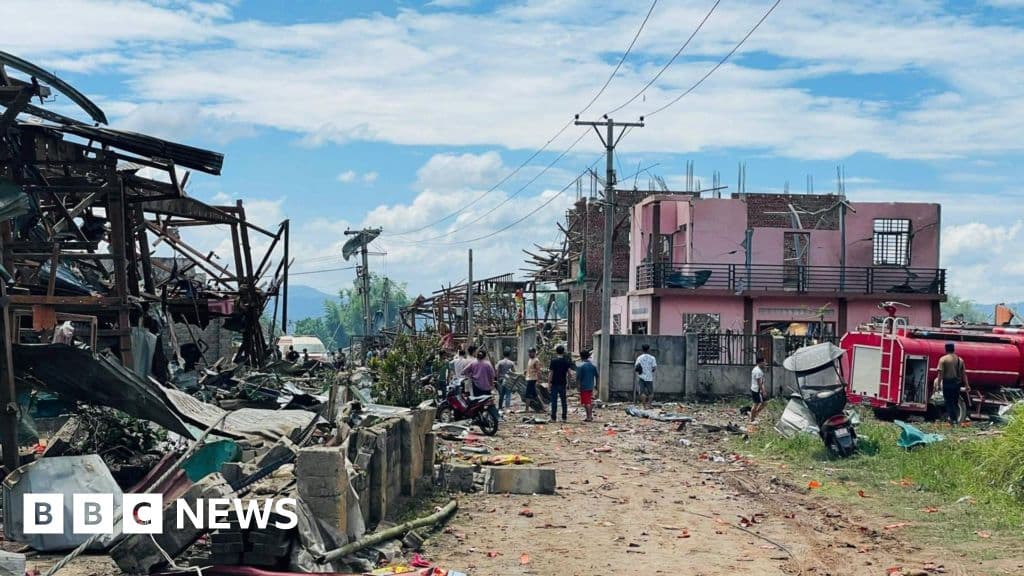
A devastating explosion in Myanmar's Kaung Tat village has killed at least 55 people, raising serious safety concerns and questions about civilian protection in conflict zones.
BBC World