

Image: Times of India
As the Middle East crisis unfolds, what are the rights of UAE workers stranded abroad? Discover the legalities surrounding salary payments during turmoil.
GlipzoIn recent weeks, the ongoing crisis in the Middle East has raised critical questions about employment practices, particularly concerning UAE employers and their treatment of employees who find themselves stranded outside the country. As tensions escalate and travel restrictions become the norm, many expatriates are left wondering: what happens to their salaries if they can’t return to work?
The United Arab Emirates has long been a destination for expatriates seeking lucrative job opportunities and a vibrant lifestyle. However, the current geopolitical climate is causing anxiety among foreign workers. Many are unable to travel back to the UAE due to flight cancellations and government regulations. This predicament leads to a pressing question: Can employers legally withhold salaries from employees who are stranded abroad?
According to UAE labor laws, employers are obligated to adhere to specific regulations regarding employee compensation. The UAE Labor Law states that an employee must receive their salary as stipulated in their contract, regardless of their physical location. Therefore, if an employee is stranded due to circumstances beyond their control, such as political instability or travel restrictions, employers may be legally required to continue paying their salaries.
In the UAE, the legal framework surrounding employment and salary payment is designed to protect workers' rights. Here are some key points to consider:
Given these stipulations, it is crucial for employees to understand their rights and the terms of their employment contracts. Legal counsel can be beneficial for those unsure of their standing under UAE law.
In light of the current crisis, many employees are seeking clarity on their rights. Here are some of the obligations that UAE employers must uphold:
The impact of this crisis extends beyond legalities and regulations; it deeply affects the lives of individuals. Many expatriates are facing significant emotional distress due to their uncertain situation. Some have shared stories of their struggles:
These testimonials underscore the importance of empathy and support from employers during challenging times. Employees not only seek financial security but also reassurance and guidance from their employers.
The ongoing situation in the Middle East serves as a critical reminder of the need for robust employment practices that respect the rights of employees, particularly during crises. As global events continue to unfold, businesses must navigate the balance between operational demands and ethical responsibilities.
As the situation in the Middle East evolves, it is essential for both employers and employees in the UAE to stay informed and prepared. Companies may need to reassess their policies to ensure they align with the current realities of the global landscape. Here are some aspects to keep an eye on:
In conclusion, the crisis in the Middle East has profound implications for expatriates in the UAE, particularly concerning salary payment and employment rights. As conditions change, it is vital for both employees and employers to stay informed and advocate for fair treatment and support during these unprecedented times.
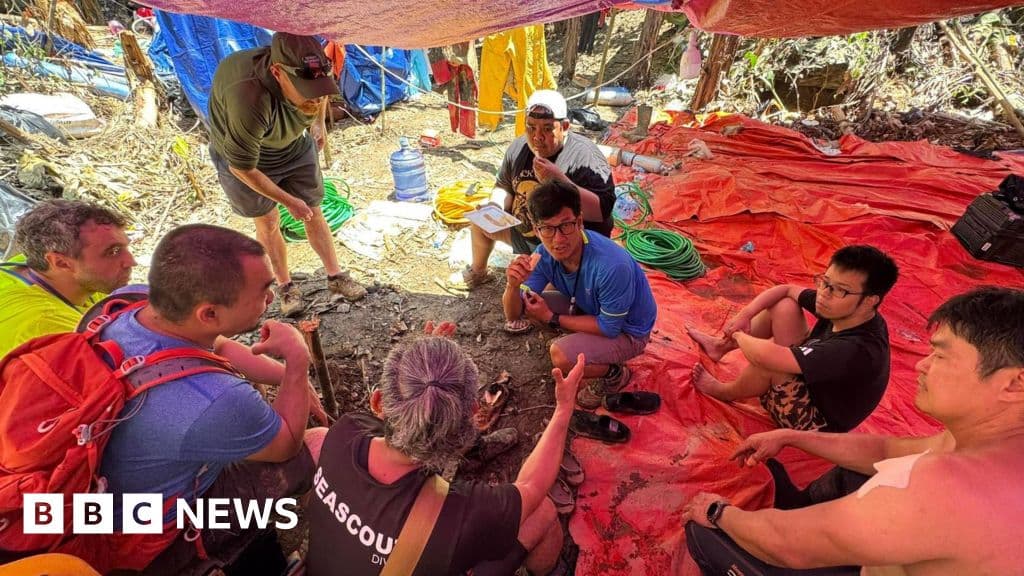
Survivors of the Laos cave rescue are aiding efforts to find the last two missing men trapped inside, sharing crucial insights for the search operation.
BBC World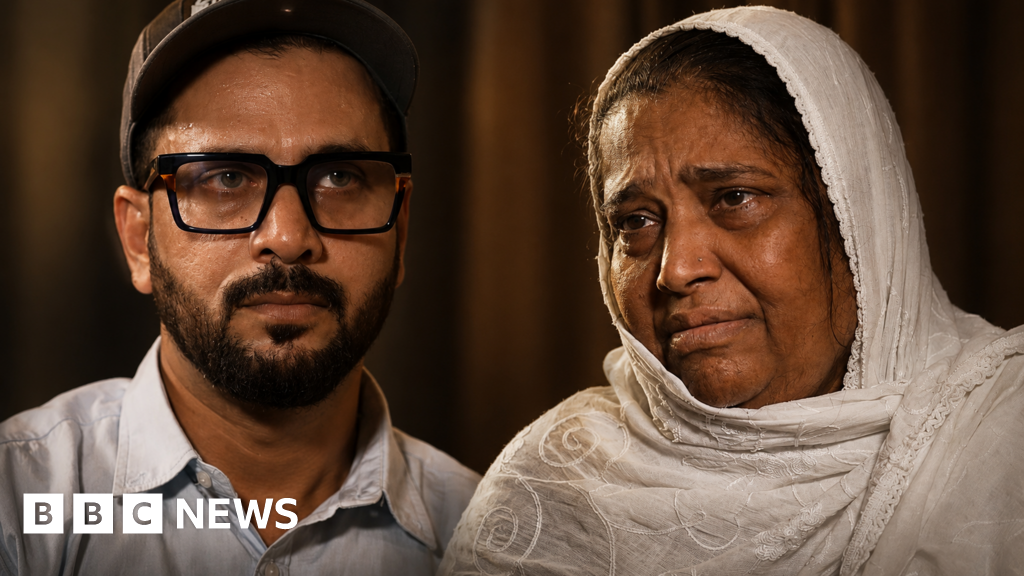
A year after the tragic Air India crash, the Ali family reflects on grief, unanswered questions, and the enduring bonds of love in the face of loss.
BBC Business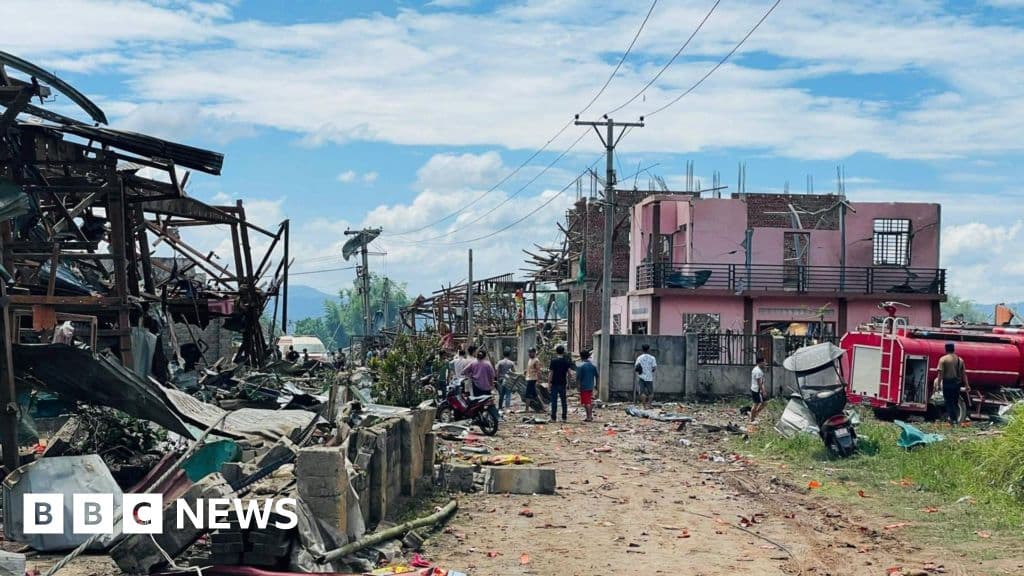
A devastating explosion in Myanmar's Kaung Tat village has killed at least 55 people, raising serious safety concerns and questions about civilian protection in conflict zones.
BBC World