

Image: The Verge
Microsoft unveils a comprehensive plan to improve Windows 11, focusing on performance, reliability, and user experience. Learn what changes are coming soon!
GlipzoIn a bid to restore confidence in Windows 11, Microsoft has announced a comprehensive strategy aimed at enhancing the operating system's performance, reliability, and user experience. This initiative comes in response to a growing chorus of user dissatisfaction and concerns regarding recent AI integrations that many feel detract from the core functionality of Windows. Pavan Davuluri, the head of Windows, shared the company's plans in a recent blog post, emphasizing the importance of user feedback in shaping future updates.
"Over the past several months, the team and I have spent a great deal of time analyzing your feedback," Davuluri noted, acknowledging that the voices of committed users have highlighted the need for change. The commitment to quality improvements signals a significant shift in Microsoft’s approach to its flagship operating system, and the upcoming updates promise to address many user concerns effectively.
Microsoft's plan to revitalize Windows 11 will begin with an initial wave of improvements, set to be previewed throughout March and April. These first updates aim to enhance user experience by introducing several key features:
Additionally, File Explorer will see improvements focusing on quicker launch times, reduced flickering, smoother navigation, and enhanced reliability for everyday tasks. The widgets section of Windows 11 will also be revamped to offer more personalization and quieter defaults, creating a more tailored user experience.
Beyond the first batch of updates, Microsoft is committed to making broader enhancements to the quality of Windows 11 throughout the year. The focus will be on core areas such as:
These changes are particularly significant given the current RAM crisis, where systems with 8GB of RAM are becoming more common. Microsoft's improvements may allow Windows 11 to run more efficiently on these lower-spec devices, potentially appealing to users looking for budget-friendly options.
Another critical area of focus for Microsoft is reducing latency in user interactions, particularly with the Start menu. By migrating more essential components of Windows to the WinUI3 framework, the company aims to enhance responsiveness, something that has been a challenge since Windows 11's launch. Davuluri expressed optimism that these updates will bring the desired improvements that users have been longing for.
File Explorer will continue to be a central part of the enhancement roadmap, with promises of better search functionality, improved navigation, and faster operations for copying and moving large files. Davuluri stated, "Copying and moving large files will be faster and more reliable," indicating a strong commitment to refining user experience.
Furthermore, Microsoft is targeting the overall reliability of the operating system, vowing to enhance the stability of critical components such as the Windows Insider Program, drivers, apps, and Windows Hello. Users can expect a decrease in OS-level crashes and more consistent device wake-up performance, addressing long-standing issues that have affected laptops and handheld devices.
The changes slated for Windows 11 are not just about adding features; they represent Microsoft's recognition of user frustrations and a proactive approach to addressing them. Many users have expressed their exasperation with updates that disrupt their workflow, and the company's commitment to improving the update experience highlights its intent to prioritize user satisfaction.
As Microsoft implements these changes, it will be crucial for the company to maintain transparency and continue engaging with its user base to ensure that the updates effectively meet their needs. The tech giant's responsiveness to feedback may ultimately determine the success of Windows 11 in regaining user trust.
As Microsoft rolls out these updates, users should keep an eye on several key developments:
In conclusion, Microsoft's strategic plan for Windows 11 aims to restore user trust and enhance the overall experience. As the tech landscape evolves, the effectiveness of these updates will be pivotal for Microsoft in maintaining its competitive edge in the operating system market.
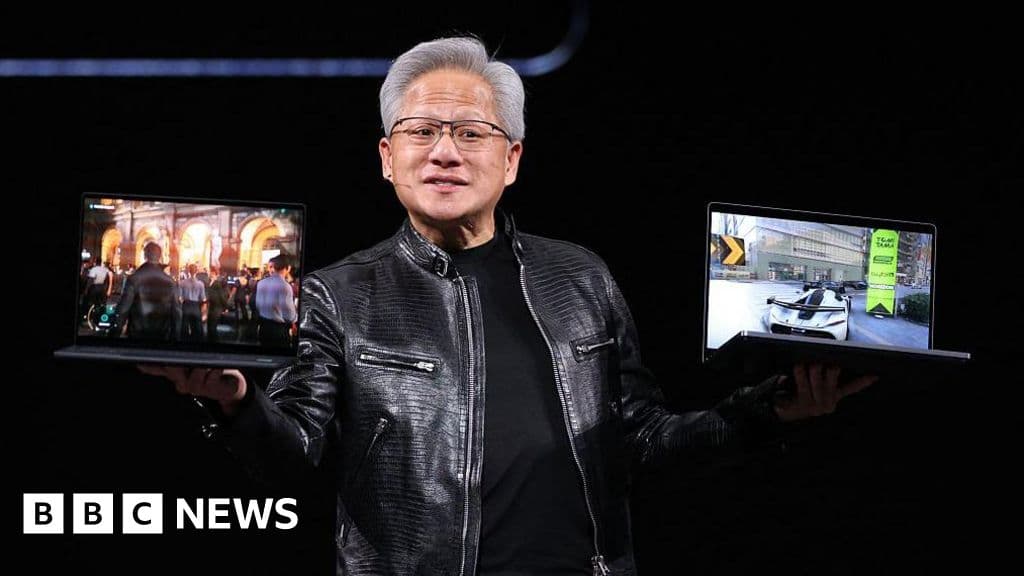
Nvidia's new RTX Spark chip aims to transform personal computing with AI, marking a significant shift in technology. Discover what this means for consumers.
BBC Business
The explosion of Blue Origin's New Glenn rocket raises significant concerns over NASA's lunar ambitions and the future of Amazon's satellite projects. Discover the implications.
BBC Science
Discover how Meta's lack of engagement on user bans raises critical concerns about accountability and transparency in social media governance.
BBC Technology