
Image: Ars Technica
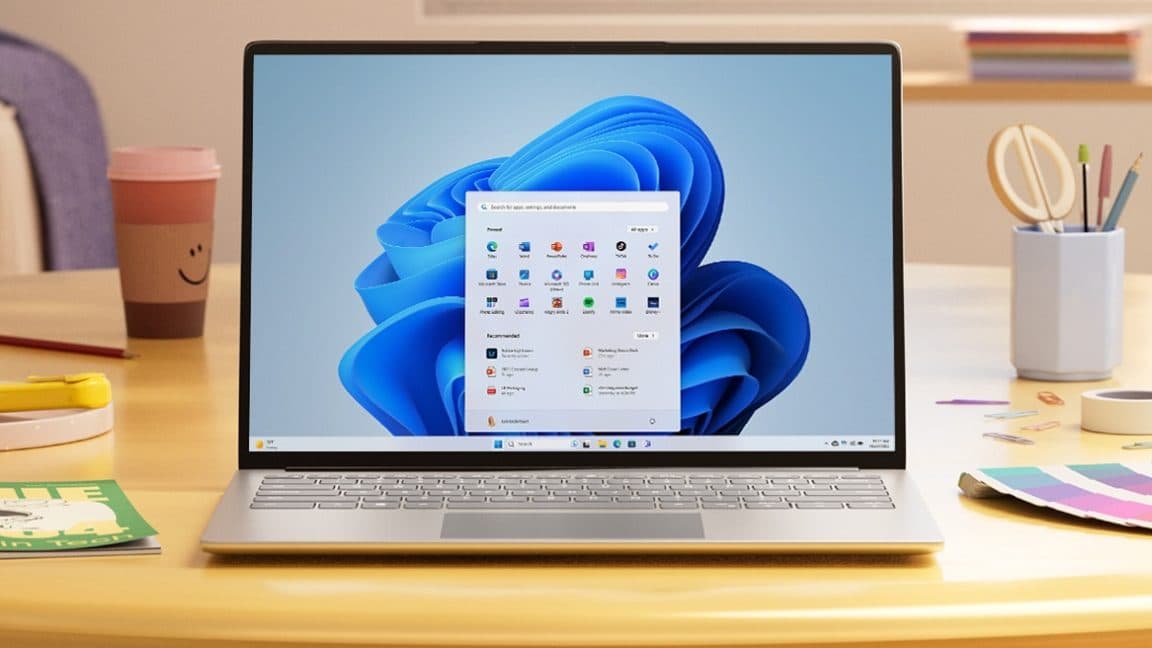
Microsoft reaffirms its commitment to enhancing Windows 11 quality, addressing user feedback and rolling out significant updates. Discover what’s next!
GlipzoThe analogy of a chef repeatedly announcing the quality of their food resonates here. If the head chef has to repeatedly affirm their commitment, it might raise questions about the kitchen's actual quality. Similarly, many users are beginning to wonder why Microsoft feels compelled to continuously communicate its dedication to Windows 11, especially when the operating system has faced backlash for bugs and the influx of unsolicited notifications and ads.
To demonstrate its commitment, Microsoft has outlined a series of updates scheduled for rollout to Windows Insider Program testers by the end of April. Key improvements include: - Restoration of Taskbar Flexibility: Users can once again position their taskbars on the sides or top of their displays, addressing a significant regression from Windows 11's initial rollout. - Cautious Approach to Copilot Integration: Microsoft plans to be more selective about where the Copilot feature appears, aiming to reduce its presence in applications like Notepad, Photos, and Widgets. - Enhanced Update Management: Users will soon have more control over disruptive Windows updates, allowing them to temporarily skip them. - Streamlined File Explorer: Improvements are on the way for a more efficient File Explorer experience, alongside quieter defaults for Widgets and better communication channels for feedback.
While these commitments sound promising, the real test lies in their execution. The phrase “more intentional” regarding Copilot leaves room for interpretation and potential frustration if not handled correctly. Furthermore, the persistent requirement for a Microsoft Account sign-in has not been addressed, which remains a point of contention for many users.
Given the circumstances, it is essential for Microsoft to deliver on its promises of improved quality. With the October deadline looming, users hope that Windows 11 will become a more appealing option. The company’s ongoing communication about its commitment to quality may signal a shift in the right direction, but only time will tell if these changes will resonate with a skeptical user base.
For users contemplating the transition to Windows 11, it may be wise to keep an eye on the feedback from early testers within the Insider Program. Their experiences will likely inform broader adoption trends. As Microsoft navigates this critical phase, the emphasis on quality will be pivotal in shaping the future of Windows 11 and its acceptance among users.
In summary, Microsoft stands at a crossroads, with the potential to reshape its operating system’s reputation through decisive action and genuine commitment to quality. The next steps will determine whether Windows 11 can regain the trust of its users and elevate their overall experience.

Nvidia's new RTX Spark chip aims to transform personal computing with AI, marking a significant shift in technology. Discover what this means for consumers.
BBC Business
The explosion of Blue Origin's New Glenn rocket raises significant concerns over NASA's lunar ambitions and the future of Amazon's satellite projects. Discover the implications.
BBC Science
Discover how Meta's lack of engagement on user bans raises critical concerns about accountability and transparency in social media governance.
BBC Technology