

Image: TechCrunch
Microsoft reduces Copilot AI features in Windows 11 to enhance user experience, reflecting growing concerns about AI safety and trust.
GlipzoIn a significant shift in strategy, Microsoft has announced plans to scale back its Copilot AI integrations within Windows 11. This decision, revealed on Friday, aims to enhance the user experience by reducing the number of entry points for the AI assistant across several applications, including Photos, Widgets, Notepad, and the Snipping Tool.
Pavan Davuluri, Executive Vice President of Windows and Devices, articulated this change through a blog post, emphasizing that Microsoft is now prioritizing the integration of AI where it can genuinely add value. Davuluri stated, "Our goal is to focus on AI experiences that are genuinely useful," indicating a more deliberate approach to how Copilot interacts with Windows. This reflects a broader trend of consumer pushback against excessive AI features — a sentiment that has been growing as users express concerns about trust and safety in technology.
According to a recent Pew Research study, published earlier this month, nearly 50% of U.S. adults are now more concerned than excited about the implications of AI, a notable increase from 37% in 2021. This shift suggests that while AI is viewed as a valuable tool, there is significant anxiety surrounding its application and potential risks. Microsoft’s decision to roll back some of its AI features may be a direct response to these concerns, as the company seeks to align its product offerings with the preferences and apprehensions of its user base.
This isn’t the first instance of Microsoft reevaluating its approach to Copilot. Earlier in the month, Windows Central reported that plans to introduce several Copilot-branded AI features across Windows 11 had been quietly abandoned. The features that were shelved included various system-level integrations, particularly within the Settings app and File Explorer.
Microsoft's cautious approach to AI is underscored by its previous decision to delay the launch of the Windows Recall feature, designed to enhance Copilot's capabilities. After facing user privacy concerns, the feature was postponed for over a year before finally being released in April. However, despite its launch, ongoing security vulnerabilities continue to surface, prompting the company to proceed carefully.
User feedback has played a crucial role in shaping Microsoft’s strategy. Davuluri mentioned that he and his team have been actively listening to community input regarding improvements to Windows. This engagement with the user base signals a strategic pivot towards more responsive and user-centered development practices.
The rollback of Copilot integrations is just one aspect of a broader set of changes Microsoft is implementing to enhance the Windows 11 user experience. The company has announced several new features aimed at providing users with greater flexibility and control, including:
This strategic recalibration by Microsoft highlights an essential trend in the tech industry: the need for a user-centric approach to AI development. As consumers become increasingly aware of the implications of AI technology, companies must navigate the delicate balance between innovation and user trust. Microsoft’s decision to reduce AI integrations in Windows 11 illustrates its commitment to aligning its products with user expectations and concerns.
As we look ahead, it's clear that Microsoft is poised to continue evolving its AI strategies in response to user feedback and market sentiment. The company’s willingness to listen to its community could set a precedent for other tech giants, emphasizing the importance of user satisfaction in the age of artificial intelligence.
Moving forward, industry observers should keep an eye on how Microsoft implements these changes and whether they effectively address user concerns. Additionally, it will be interesting to see how this strategy influences other technology companies as they grapple with similar challenges regarding AI trust and user engagement. The focus on meaningful AI experiences could lead to a new standard in software development, where user input shapes the future of technology.
In conclusion, Microsoft’s recent adjustments to its Copilot AI integration in Windows 11 signify a critical shift towards a more thoughtful and user-friendly approach in a rapidly evolving technological landscape.
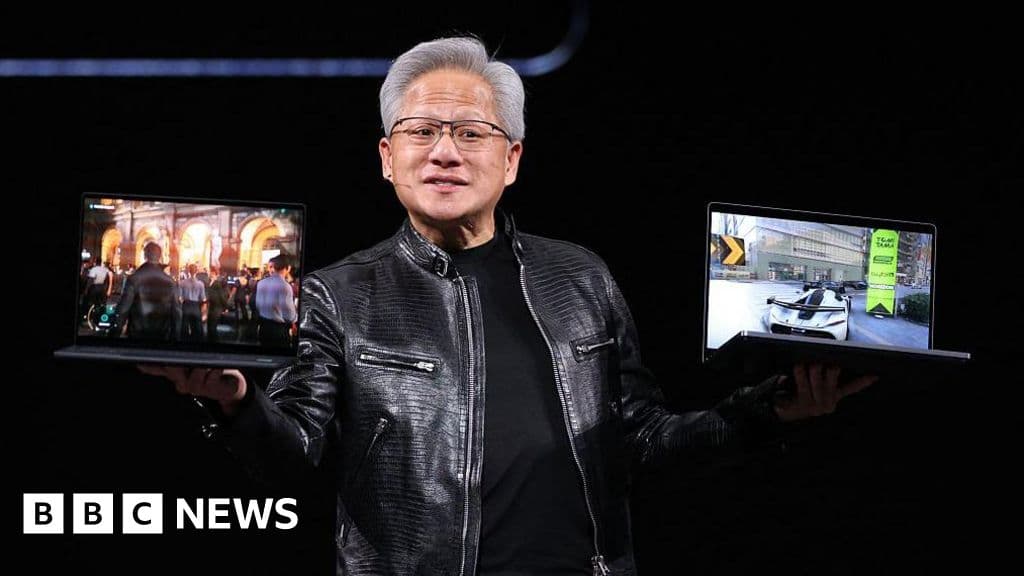
Nvidia's new RTX Spark chip aims to transform personal computing with AI, marking a significant shift in technology. Discover what this means for consumers.
BBC Business
The explosion of Blue Origin's New Glenn rocket raises significant concerns over NASA's lunar ambitions and the future of Amazon's satellite projects. Discover the implications.
BBC Science
Discover how Meta's lack of engagement on user bans raises critical concerns about accountability and transparency in social media governance.
BBC Technology