
Image: Indian Express
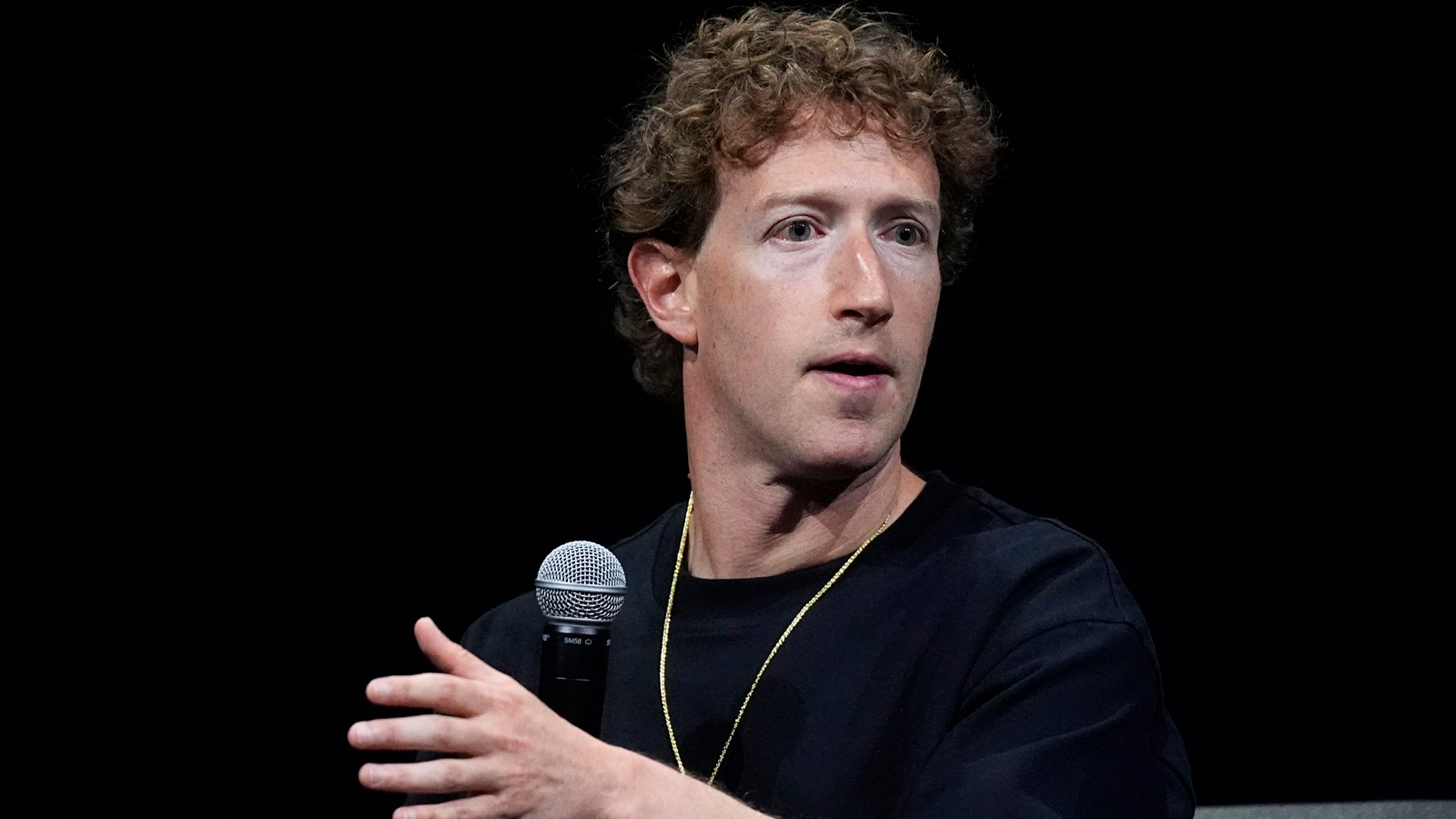
Meta Platforms CEO Mark Zuckerberg explains recent layoffs as a shift in focus towards AI investments, raising concerns about employee morale and the future of work.
GlipzoAmid a significant wave of layoffs affecting the tech sector, Mark Zuckerberg has provided insight into the recent job cuts at Meta Platforms. During a company town hall on April 30, the CEO attributed the layoffs to a shift in capital allocation towards artificial intelligence (AI) initiatives. Zuckerberg stated, "If we’re investing more in one area to serve our community, then that means we have less capital to allocate to the others. So that means we do need to take down the size of the company somewhat." This statement sheds light on the company's strategic focus as it navigates a rapidly changing technological landscape.
In a bold move, Meta announced plans to cut around 8,000 jobs as the company pivots towards AI and its related infrastructure. Zuckerberg emphasized that these workforce reductions are not directly tied to the company’s restructuring around a new “AI native” framework aimed at developing AI agents. He further clarified that the layoffs stem from a broader strategy rather than specific organizational shifts.
This recent announcement marks the first time Zuckerberg has publicly discussed the layoffs since they were first reported in March. Following a previous reduction of approximately 10 percent of its workforce, the tech giant is poised to implement additional cuts in the latter half of the year. On April 23, Meta informed its employees that the layoffs would take effect on May 20 and indicated a hiring freeze on 6,000 open positions that were previously planned.
Despite the corporate narrative, many employees have expressed dissatisfaction with the leadership's communication regarding the layoffs. Reports suggest that there has been growing unrest among staff regarding the decision-making process. Internally, some have openly criticized Zuckerberg and other executives, voicing their concerns about transparency and the company's direction.
Meta's silence on the layoffs is particularly notable given its recent initiatives, including monitoring employee mouse clicks and movements to train AI agents. This approach has raised eyebrows and contributed to employee discontent, as many feel that the company's focus on AI is overshadowing the human aspect of its workforce. Such internal strife could potentially impact morale and productivity as Meta continues to navigate this tumultuous period.
Meta’s recent $25 billion bond sale underscores the significant financial implications of its increased investments in AI. The company has raised its forecast for capital expenditures by 2026, projecting spending of up to $145 billion. This strategic shift reflects a broader trend within the tech industry, where major players are expected to collectively invest over $700 billion in AI infrastructure this year.
By reallocating resources towards AI, Meta is not only changing its financial landscape but also reshaping its workforce strategy. As the company diverts funds towards data centers, chips, and AI development, it is concurrently scaling back its ambitions in other areas, such as the metaverse and reducing employee headcount.
The developments at Meta are indicative of a larger trend within the technology sector, where AI is driving both growth and necessitating structural changes, including layoffs. As companies prioritize AI advancements, we can expect to see a continued focus on capital-intensive projects, which could lead to further job cuts in various divisions.
The implications of such shifts extend beyond Meta, as other tech giants are also likely to reevaluate their workforce dynamics in light of AI investments. This trend raises important questions about the future of work in the industry and how companies will balance the need for innovation with the welfare of their employees.
Looking ahead, there are several key aspects to watch regarding Meta's strategy and the broader tech landscape:
In conclusion, while Meta's commitment to AI represents a significant opportunity for growth and innovation, it also brings challenges that could reshape the workforce dynamics within the company and the tech industry at large. As the situation evolves, stakeholders should remain vigilant about how these changes unfold and their potential implications for the future of work in tech.

Commercial LPG prices have risen again, with increases of ₹42 in Delhi and ₹53.50 in Kolkata impacting businesses and consumers alike. Find out more.
Indian Express
Discover how a tragic coal mine explosion in Shanxi, China, reveals ongoing safety concerns in the industry amidst a push for green energy.
BBC Business
Montek Singh Ahluwalia highlights key economic challenges for India, emphasizing the need for a strategic approach to balance payments and investment.
Indian Express