
Image: BBC Technology
Meta's contract termination with Sama raises serious privacy concerns after workers reported reviewing explicit content captured by smart glasses. What’s next for Meta?
GlipzoMeta Platforms Inc. is once again under scrutiny after terminating a significant contract with Sama, a company responsible for training artificial intelligence (AI). This decision comes on the heels of claims made by workers in Kenya, who reported being subjected to viewing explicit content captured by Meta's smart glasses. The allegations have raised serious questions regarding user privacy and ethical standards in tech.
In February 2023, employees from Sama disclosed to Swedish media outlets that they were forced to review videos captured by users of Meta's smart glasses, with reports detailing instances of users engaging in intimate activities, including sexual encounters. Following these revelations, Meta announced it would end its collaboration with Sama less than two months later, resulting in the potential layoff of 1,108 employees. This abrupt termination has sparked widespread concern and unrest among the affected workers and advocacy groups.
As the narrative unfolds, Meta's rationale for ending its partnership is being met with skepticism. The tech giant claimed that Sama failed to meet its operational standards, an assertion that Sama vehemently disputes. According to Sama, they have consistently adhered to all necessary operational, security, and quality benchmarks throughout their engagement with Meta. In a statement, Sama emphasized, "At no point were we notified of any failure to meet those standards, and we stand firmly behind the quality and integrity of our work."
Despite Meta's denial of any connection between the contract termination and the workers' allegations, the Kenyan Workers’ Organization has suggested that the layoffs are a direct consequence of employees speaking out about their experiences. Meta has yet to officially address these serious claims. In a statement provided to BBC News, the company reiterated its commitment to user privacy, stating, "We take claims seriously. Photos and videos are private to users. Humans review AI content to improve product performance, for which we get clear user consent."
The revelations about the content workers were exposed to have raised alarm bells among regulators. Following the publication of the reports in February, the UK's Information Commissioner's Office (ICO) reached out to Meta regarding the disturbing allegations, while the Office of the Data Protection Commissioner in Kenya announced an investigation into the privacy issues highlighted by the smart glasses.
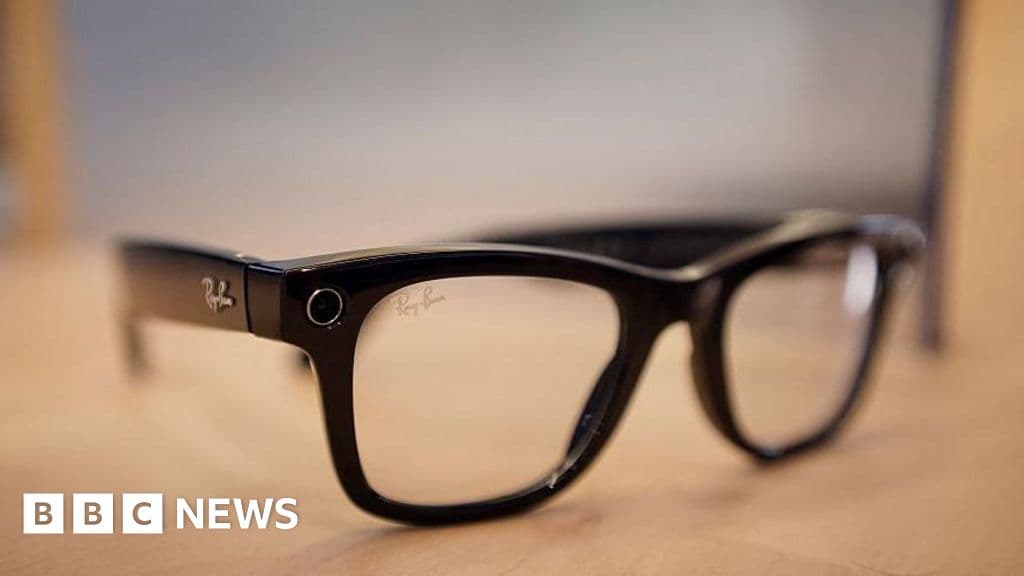
Meta's smart glasses, developed in collaboration with popular brands like Ray-Ban and Oakley, are designed to enhance user experience through features like text translation and real-time information responses. However, the growing concerns regarding misuse of these devices are undeniable. The employees interviewed described their roles as data annotators tasked with labeling images to train Meta's AI, which also involved reviewing interactions to ensure adequate responses from the AI.
The allegations of misuse, including instances where users recorded non-consensual videos, underline the urgent need for stringent privacy measures. Workers reported incidents where recording devices were left on in private settings, capturing sensitive footage without consent. One employee recounted a troubling experience where a man’s glasses recorded his wife undressing, raising significant ethical questions surrounding the technology’s implementation.
Sama, which began as a non-profit organization aimed at increasing employment through tech jobs, has evolved into a certified B Corporation committed to ethical practices. However, this isn't the first time Meta's partnerships have faced backlash. Previous contracts, particularly one related to moderating Facebook content, drew criticism from employees who recounted exposure to graphic and distressing material, leading some to regret their involvement.
As Meta grapples with the fallout from this incident, the implications extend beyond just operational challenges. The tech giant's reputation hangs in the balance as it navigates increasing scrutiny from regulators and the public. Moving forward, here are key aspects to watch: - Regulatory Response: How will regulators in Kenya and the UK respond to these privacy concerns, and what implications could this have for Meta's operations? - Worker Advocacy: With mounting pressure from workers' organizations, will Meta take steps to improve working conditions and address employee grievances? - Technological Safeguards: What measures will Meta implement to ensure that its smart glasses are used ethically and do not infringe on users' privacy?
As Meta continues to innovate in the realm of augmented reality, the need for transparency and ethical considerations in its business practices has never been more crucial. The world will be watching closely as this situation develops, particularly in light of the broader implications for employee rights and user privacy in the tech industry.
In a tech landscape increasingly focused on user experience and ethical practices, Meta's actions could set important precedents for how companies handle sensitive content and employee welfare in the future.

Nvidia's new RTX Spark chip aims to transform personal computing with AI, marking a significant shift in technology. Discover what this means for consumers.
BBC Business
The explosion of Blue Origin's New Glenn rocket raises significant concerns over NASA's lunar ambitions and the future of Amazon's satellite projects. Discover the implications.
BBC Science
Discover how Meta's lack of engagement on user bans raises critical concerns about accountability and transparency in social media governance.
BBC Technology