
Image: BBC World
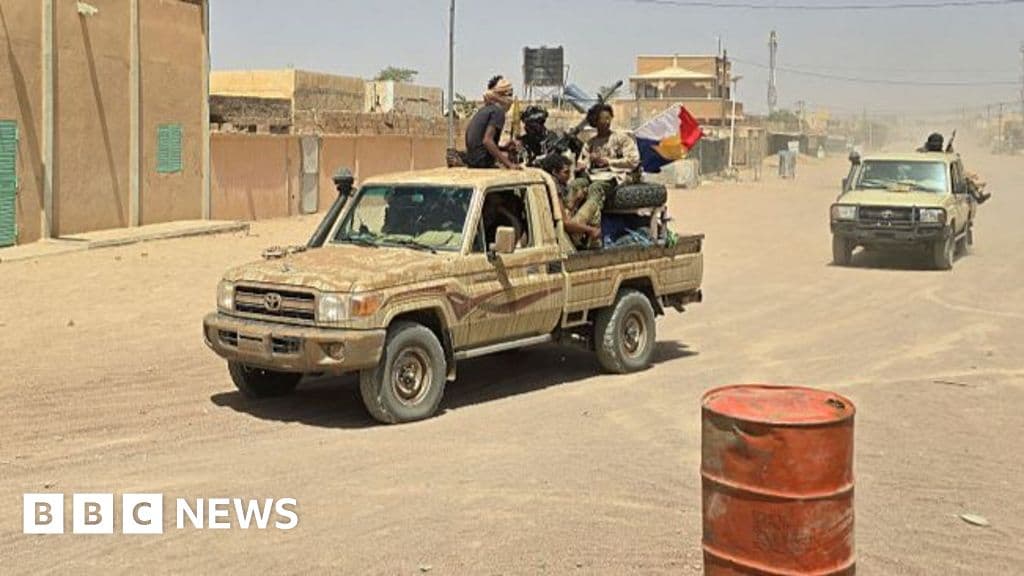
Russian forces have withdrawn from Kidal, Mali, amidst escalating violence from separatists and jihadists. What does this mean for the region's future?
GlipzoIn a significant turn of events, Russian forces have officially confirmed their withdrawal from the northern city of Kidal, Mali, following a weekend filled with violent attacks launched by separatist fighters and Islamist militants. This maneuver comes as part of the ongoing struggle in the region, where the Malian military government has been battling insurgencies for years.
The announcement was made via social media posts from Russia's Africa Corps, which indicated they had "left the locality" alongside Malian troops. The separatist group, known as the Azawad Liberation Front (FLA), claimed control of Kidal shortly after, declaring it "now free" from foreign and local military presence.
Mali has been embroiled in conflict for over a decade, primarily fueled by separatists in the north and militant groups affiliated with al-Qaeda and the Islamic State. The recent surge in violence has heightened tensions across the nation, particularly in regions like Bamako, Sevare, Mopti, Gao, and Kidal.
During the weekend, reports surfaced of explosions and gunfire resonating in various cities, casting a shadow over the already precarious security situation. Notably, the Malian Defence Minister, Sadio Camara, tragically lost his life in a suicide truck bombing at his residence in Kati, a town close to the capital and home to a significant military base.
The FLA, fighting for a breakaway state for northern areas predominantly occupied by Tuaregs, focused their assaults on key urban centers while another jihadist group, Jama'at Nusrat al-Islam wal-Muslimin (JNIM), executed coordinated attacks across multiple locations.
In response to the escalating violence, the Alliance of Sahel States (AES), which includes Mali alongside its neighbors Burkina Faso and Niger, denounced the assaults as a "monstrous plot" orchestrated by those opposed to the liberation of the Sahel region. However, they refrained from providing specific details regarding their claims.
Fighting resumed in Kidal on Sunday, but shortly thereafter, Mohamed Elmaouloud Ramadane, a spokesman for the FLA, announced that an agreement had been reached for the secure withdrawal of Russian forces. He indicated that the FLA had remained in Kidal because elements of the Malian army and Russian contractors were still present.
Kidal has served as a critical bastion for the separatist movement for over a decade, and its capture by Mali's army—with Russian support—marked a significant moment in the ongoing conflict. Although Mali's government has not officially confirmed the FLA's claims of control, sources close to local authorities have indicated that the jihadists and FLA are now in charge of the city.
In the aftermath of the withdrawal, reports from AFP suggest that calm has returned to the capital, with schools and offices reopening and military checkpoints that had been hastily erected over the weekend being dismantled. This shift raises questions about the stability and future governance of Kidal and surrounding areas.
Meanwhile, in Tessit, located south of Gao, JNIM announced that the Malian army had surrendered to their fighters. Their statement suggested that they would allow Malian forces to lay down their arms and withdraw safely, a claim that has not been verified independently by the media.
Despite the withdrawal from Kidal, the Africa Corps confirmed they would maintain operations elsewhere in Mali, though specific details were scarce. Their social media updates indicated that wounded personnel and heavy equipment had been evacuated, reflecting the complexities of the situation in the Republic of Mali.
The Africa Corps, composed largely of former members of the Wagner Group, has been pivotal in assisting local governments combat insurgencies. Following the death of Wagner’s leader, Yevgeni Prigozhin, in 2023, the Russian Defense Ministry took charge of the group’s operations, leading to the establishment of the Africa Corps.
Overseen by Deputy Defense Minister Yunus-Bek Yevkurov and managed by Maj-Gen Andrey Averyanov, a prominent figure in the GRU military, the Africa Corps has played a significant role in shaping the security landscape in Mali.
The withdrawal of Russian forces from Kidal marks a critical juncture in the ongoing conflict in Mali. This development could embolden separatist movements and jihadist factions, potentially leading to an escalation of violence throughout the region. The situation remains fluid, and the ramifications of this shift will be felt not only in Mali but across the Sahel as a whole.
As observers watch closely, it will be essential to monitor how the Malian government responds to the challenges posed by renewed separatist claims and jihadist activities. The future of peace and stability in the region hinges on the actions taken by local authorities and international partners in the coming weeks.
In summary, the situation in Mali continues to evolve, with the recent withdrawal of Russian forces from Kidal serving as a reminder of the complexities and challenges that lie ahead in achieving lasting peace in the region.
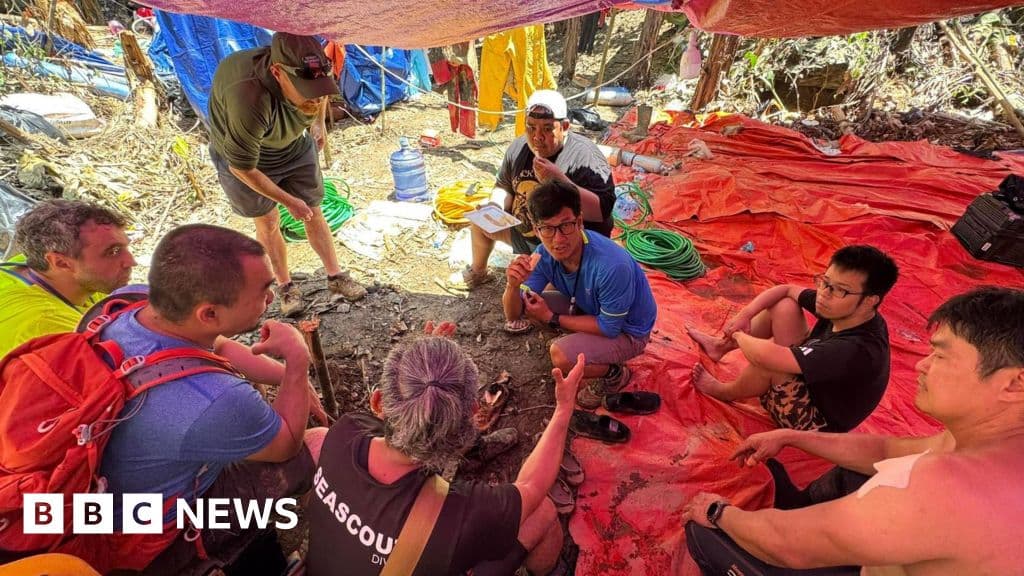
Survivors of the Laos cave rescue are aiding efforts to find the last two missing men trapped inside, sharing crucial insights for the search operation.
BBC World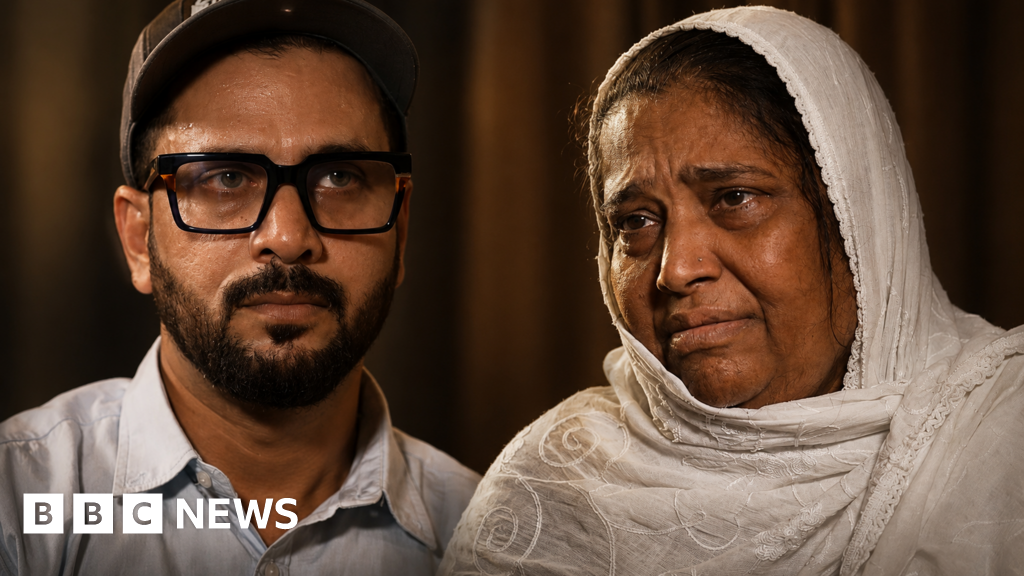
A year after the tragic Air India crash, the Ali family reflects on grief, unanswered questions, and the enduring bonds of love in the face of loss.
BBC Business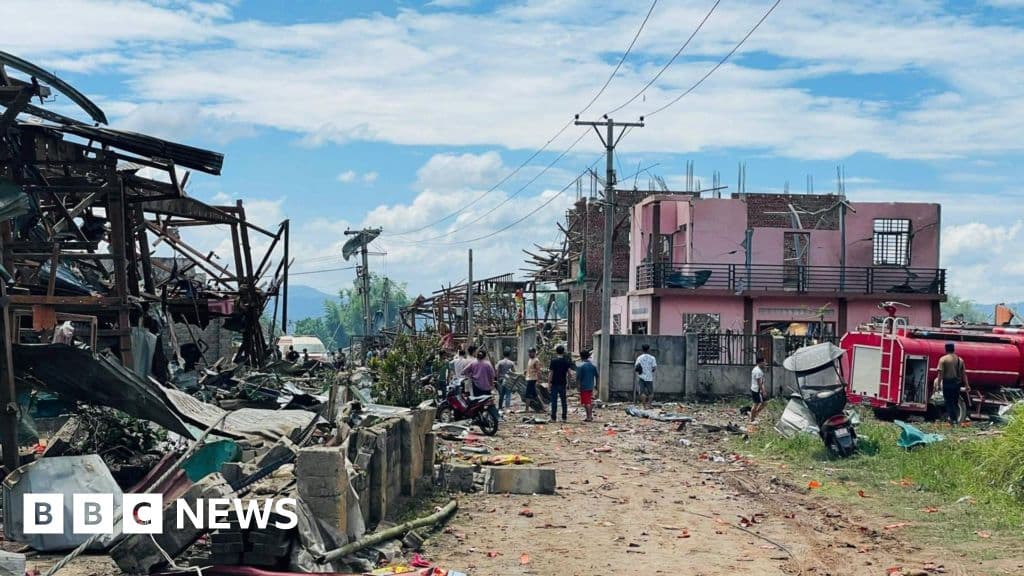
A devastating explosion in Myanmar's Kaung Tat village has killed at least 55 people, raising serious safety concerns and questions about civilian protection in conflict zones.
BBC World