
Image: BBC World
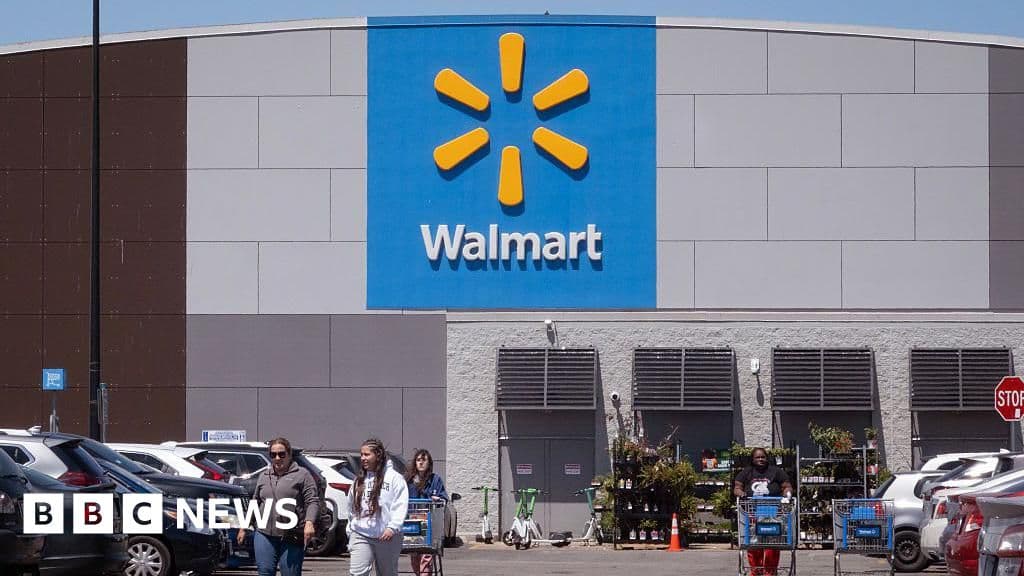
Walmart warns that rising petrol prices are forcing US consumers to cut spending, with significant implications for retail and the economy. Discover why this matters.
GlipzoIn a startling announcement, Walmart has indicated that rising petrol prices are forcing American consumers to tighten their budgets. The retail giant's concerns come amid ongoing geopolitical tensions, particularly the conflict in Iran, which has led to increased wholesale oil prices, significantly affecting household expenses across the United States.
As Americans grapple with escalating fuel costs, Walmart anticipates a marked slowdown in its sales growth from May to July. The sharp increase in petrol prices, now averaging $4.56 per gallon, has escalated from $3 since the onset of hostilities in the Middle East, impacting consumer purchasing power and overall spending habits.
Walmart's finance chief, John David Rainey, shared insights during an interview with CNBC, discussing the broader economic implications of rising living costs. He noted that while recent tax returns, bolstered by the One Big Beautiful Bill Act (OBBBA) under former President Donald Trump, had previously cushioned the blow, this relief is waning.
Rainey explained, “I think higher tax returns muted some of the pressure related to higher fuel prices, and as we're in a period of time right now where those tax refunds are largely not coming in, I think consumers are going to feel more of that pressure from higher fuel prices.” This statement reflects a growing concern that many households will struggle as they face declining disposable income.
As the nation’s largest private employer and a significant player in retail, Walmart's insights serve as a bellwether for consumer behavior. Rainey highlighted that the retailer is closely monitoring petrol prices and anticipates they will remain elevated in the coming months. The implications of sustained high fuel costs could lead to increased prices for food and other essentials, particularly if the Strait of Hormuz remains closed, impacting the supply of critical goods such as fertilizers and phosphates.
In the first quarter of 2023, Walmart reported a profit of $5.3 billion, representing an 18.8% increase year-on-year, with sales rising by 7.3% to $177.8 billion. However, the company has adjusted its growth expectations downward, predicting a slowdown to 4% to 5% growth between May and July. This shift reflects the burgeoning economic strain faced by consumers, amplifying concerns about future spending capabilities.
The implications of Walmart's warning extend beyond the retail sector, shedding light on the broader economic conditions affecting everyday Americans. As consumers face rising costs, their ability to spend on discretionary items diminishes, which could further slow economic growth. The tighter budgets may lead to shifts in consumer behavior, with more shoppers gravitating towards budget-friendly options and retailers that offer competitive pricing.
Moreover, this situation raises critical questions about the sustainability of consumer confidence in the face of ongoing economic pressures and geopolitical uncertainties. As fuel prices remain a pivotal factor, businesses across various sectors will need to adapt to changing consumer dynamics.
As we move into the summer months, consumers should prepare for continued fluctuations in fuel costs and their ripple effects across the economy. Retailers like Walmart will likely be forced to adjust their pricing strategies to remain competitive while navigating the challenges posed by rising operational costs.
Going forward, key areas to monitor include: - Fuel price trends: Continued volatility could affect consumer spending significantly. - Inflation rates: How inflation unfolds in response to fuel costs will impact disposable income. - Retail strategies: Watch how major retailers adjust marketing and pricing to retain customer loyalty.
Ultimately, the intersection of rising costs and shifting consumer preferences will shape the landscape for both shoppers and retailers in the months to come.
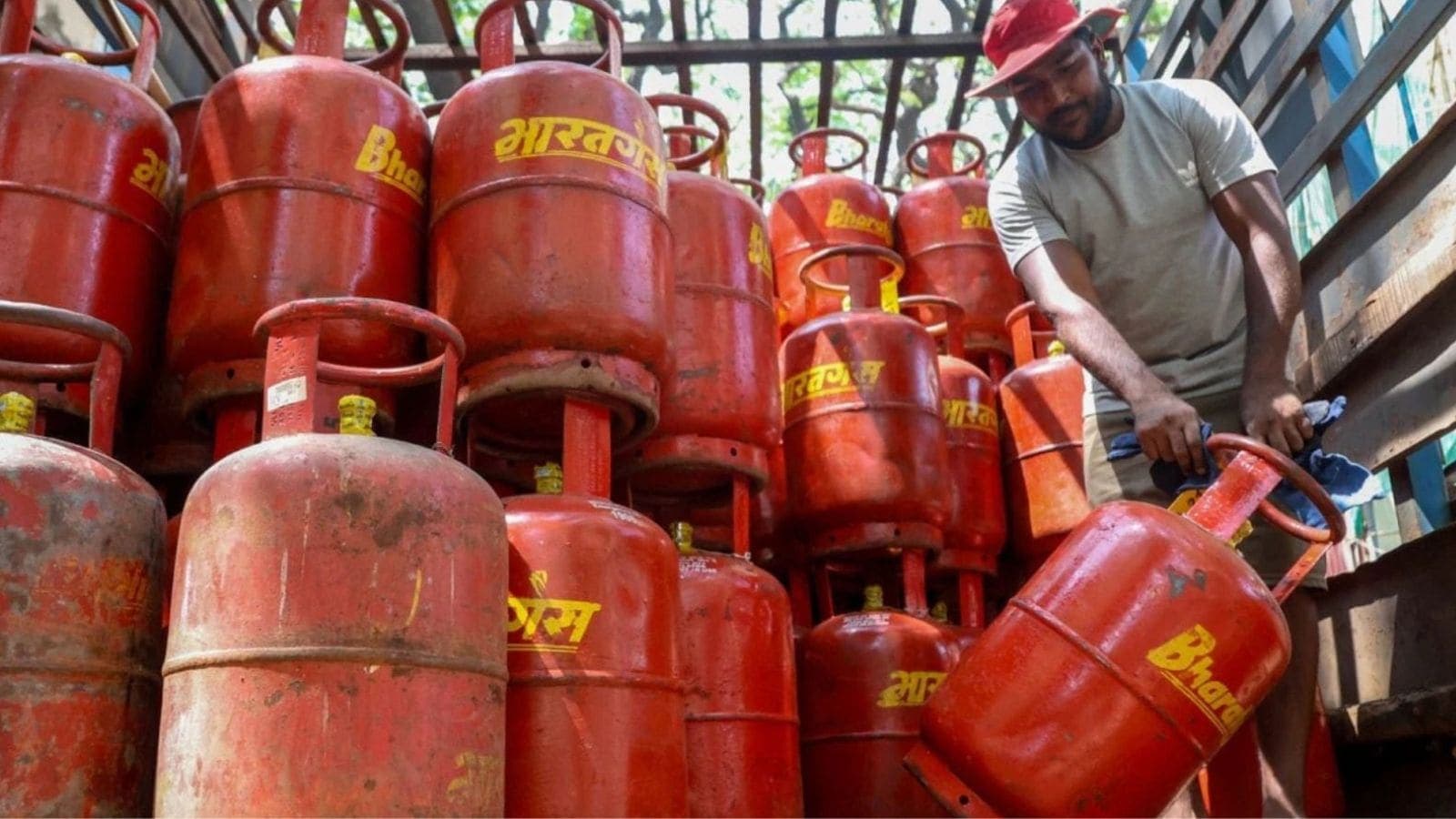
Commercial LPG prices have risen again, with increases of ₹42 in Delhi and ₹53.50 in Kolkata impacting businesses and consumers alike. Find out more.
Indian Express
Discover how a tragic coal mine explosion in Shanxi, China, reveals ongoing safety concerns in the industry amidst a push for green energy.
BBC Business
Montek Singh Ahluwalia highlights key economic challenges for India, emphasizing the need for a strategic approach to balance payments and investment.
Indian Express