

Image: The Hindu
Global leaders warn against a possible Israeli ground offensive in Lebanon, citing severe humanitarian risks and urging for diplomatic solutions.
GlipzoIn a critical move on March 16, 2026, a coalition of nations including Canada, France, Germany, Italy, and the United Kingdom issued a stern warning against a potential Israeli ground offensive in Lebanon. The countries emphasized that such military action could lead to catastrophic humanitarian consequences amid escalating tensions in the region.
The joint statement highlighted the urgency of the situation, stating, "A significant Israeli ground offensive would have devastating humanitarian consequences and could lead to a protracted conflict." The leaders are advocating for immediate measures to prevent this escalation, citing the already alarming humanitarian crisis in Lebanon, where mass displacement is ongoing.
The humanitarian landscape in Lebanon is dire, with many citizens facing displacement due to ongoing conflicts, primarily involving Hezbollah and Israeli forces. The statement from the five nations underscored the necessity of addressing these issues before any military actions could exacerbate the suffering of civilians.
Reports indicate that the humanitarian situation has worsened, prompting international calls for intervention and support. The leaders also expressed their support for the Lebanese government's efforts to disarm Hezbollah, a group backed by Iran, which has recently been at the forefront of conflicts in the region.
The backdrop for this urgent warning is the heightened tensions between Israel and Iran, which have been escalating for some time. The U.S.-Israeli alliance has been involved in various military operations aimed at countering Iranian influence in the region. As part of this broader conflict, the potential for an Israeli ground offensive in Lebanon poses a significant risk, not only to the immediate area but to global stability.
In the current geopolitical climate, any military escalation could draw in neighboring countries and potentially ignite a wider regional conflict. The coalition's statement is a clear indication of their concern regarding the ripple effects such actions could have beyond Lebanon.
In response to the joint statement, various international organizations have begun to call for immediate diplomatic efforts to de-escalate the situation. Humanitarian organizations are particularly worried about the impact on civilians, urging for increased aid and support for those affected by the ongoing conflict.
The coalition's approach emphasizes a diplomatic solution rather than military intervention. With the humanitarian crisis worsening, they are advocating for negotiations that could lead to a peaceful resolution.
The warning against an Israeli ground offensive in Lebanon is not merely a regional concern; it carries significant implications for global peace and stability. The potential humanitarian disaster resulting from military escalation could have far-reaching effects, including: - Increased displacement of civilians, leading to a refugee crisis - Destabilization of the Lebanese government, further empowering militant groups like Hezbollah - Strained international relations as nations take sides in the conflict - Economic repercussions for Lebanon and neighboring countries, impacting global markets
As nations grapple with these complexities, the focus remains on preventing military conflict and addressing humanitarian needs.
As the situation evolves, the world will be watching closely for any signs of military action by Israel and the responses from Hezbollah and Iran. The coalition's warning serves as a critical reminder of the need for careful diplomacy in a highly volatile situation.
Looking forward, several key factors will shape the unfolding narrative: - The response of the Lebanese government to the coalition's statement - Actions taken by Hezbollah in the wake of increased tensions - International diplomatic efforts to mediate and prevent further conflict - The potential for humanitarian aid to address the needs of displaced individuals in Lebanon
As these elements play out, the global community must remain vigilant and proactive in seeking peaceful resolutions to avert a humanitarian catastrophe and foster stability in the region.
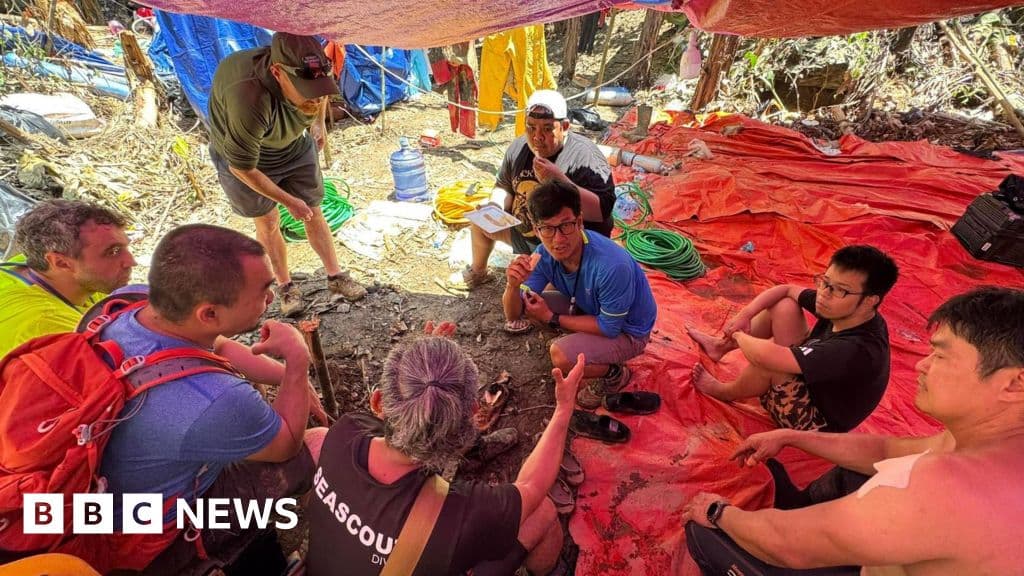
Survivors of the Laos cave rescue are aiding efforts to find the last two missing men trapped inside, sharing crucial insights for the search operation.
BBC World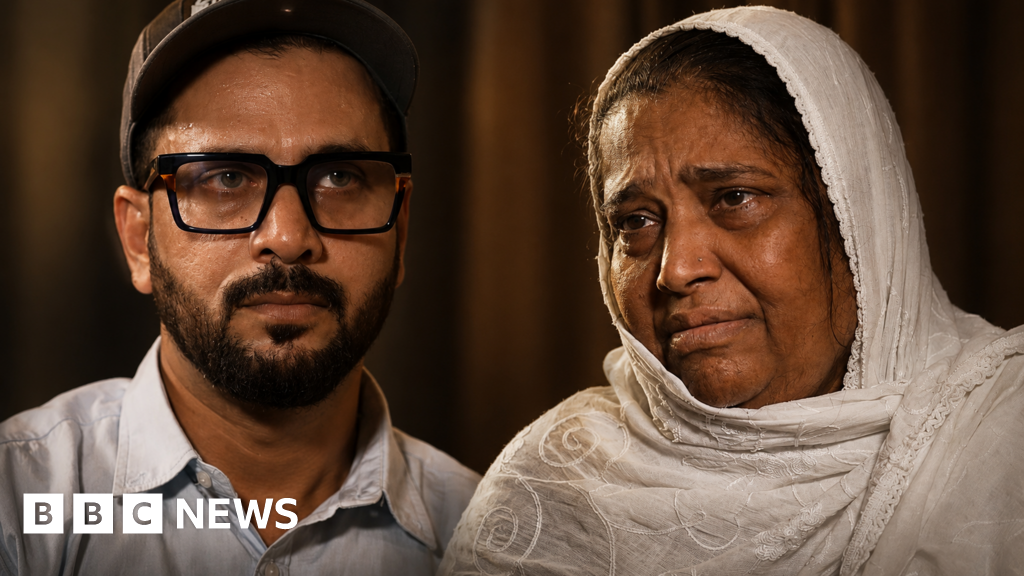
A year after the tragic Air India crash, the Ali family reflects on grief, unanswered questions, and the enduring bonds of love in the face of loss.
BBC Business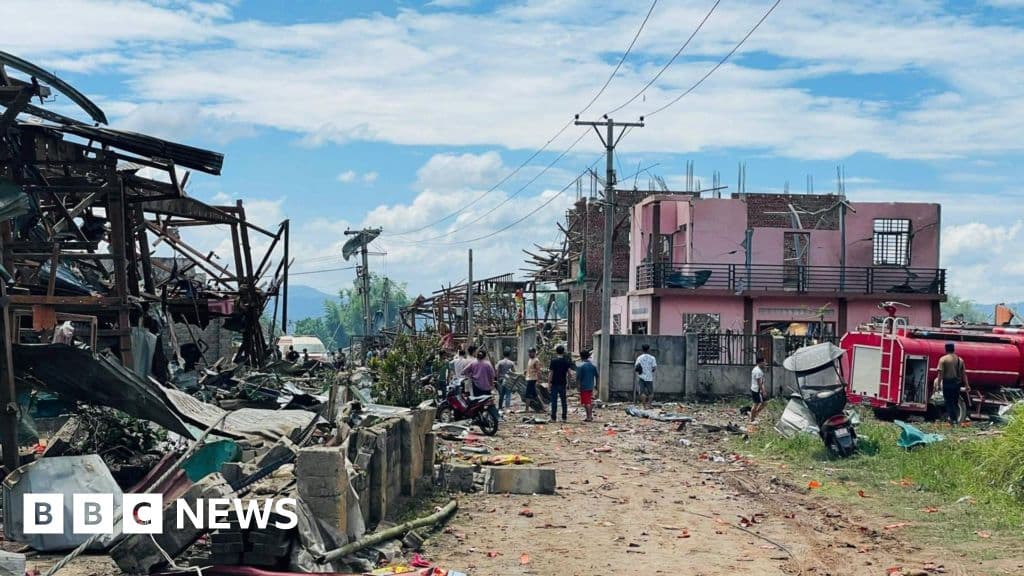
A devastating explosion in Myanmar's Kaung Tat village has killed at least 55 people, raising serious safety concerns and questions about civilian protection in conflict zones.
BBC World