
Image: Indian Express
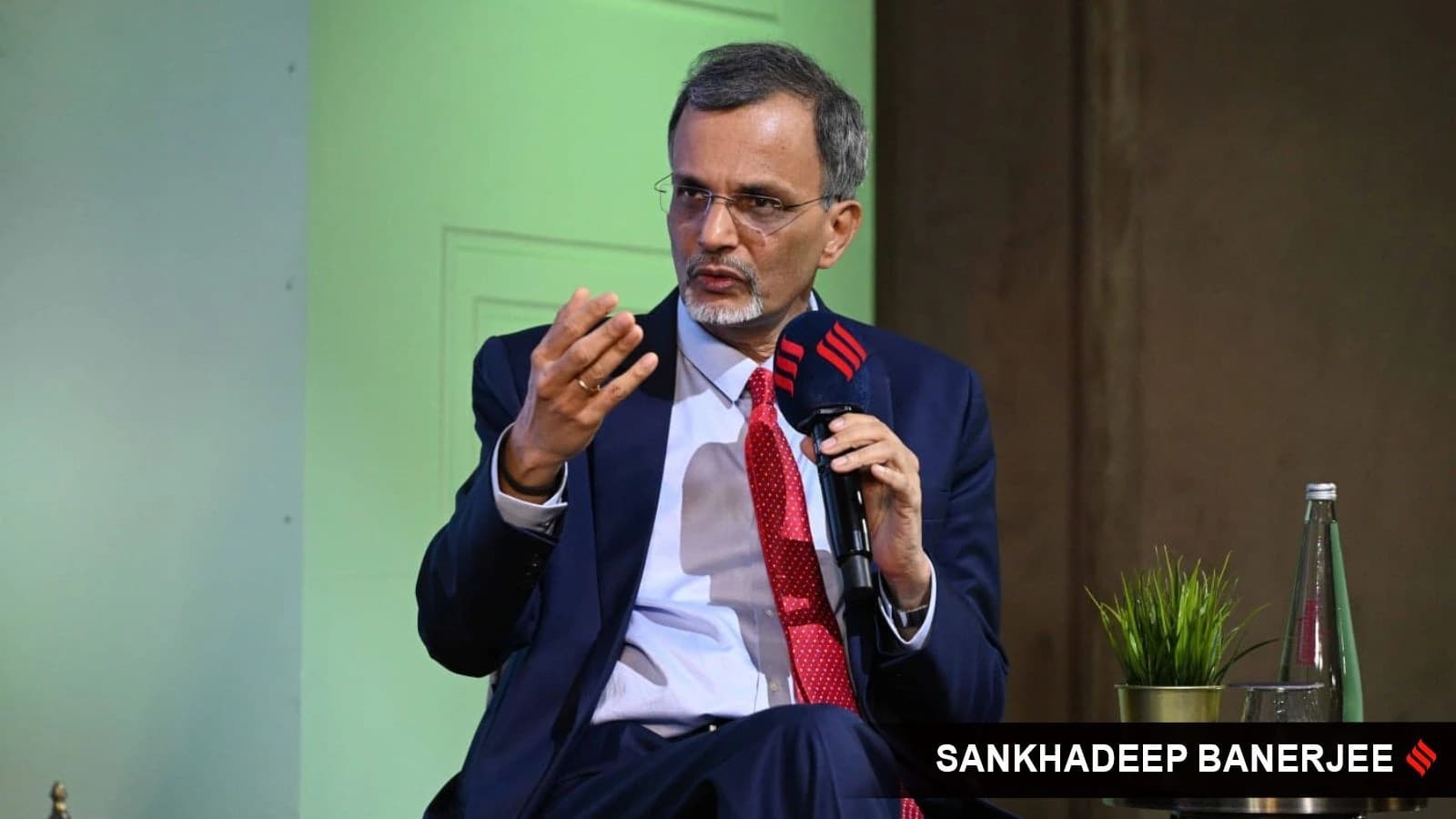
India's Chief Economic Advisor warns of fiscal pressures from global crises, highlighting the interconnectedness of state and national economies amid rising costs.
GlipzoIn a startling revelation, Chief Economic Advisor V Anantha Nageswaran warned that the Indian government is significantly affected by global events, particularly the ongoing crisis in the Strait of Hormuz. Speaking at a seminar hosted by the Institute of Economic Growth on Monday, Nageswaran emphasized that states are not insulated from international turmoil, which poses a challenge to the Centre’s fiscal strategies.
Nageswaran explained that the interconnectedness of state and national economies means that fiscal pressures at the state level can directly impact the federal government. He noted, "States are not insulated from what happens in the Strait of Hormuz... the combined fiscal deficit is what feeds into the current account deficit." This underscores the reality that external shocks can have rippling effects through the economy, particularly in times of heightened global uncertainty.
The CEA elaborated on the implications of these shocks, explaining that states are often the first line of defense against economic strain, absorbing impacts that originate externally. This absorption manifests in increased demands for subsidies on essentials like food and fuel, as well as agricultural support and employment programs. Nageswaran pointed out that when external crises occur, it is the fiscally constrained states that exert the most pressure on the Centre for financial support.
With India's fiscal deficit target of 4.3% of GDP for the fiscal year 2026-27 now facing increased strain due to these external pressures, the situation calls for critical attention from policymakers. Nageswaran highlighted that international investors and ratings agencies evaluate the fiscal health of India not just on national performance, but also on the combined fiscal situation of both state and central governments. His remarks point to a shifting perspective where fiscal discipline at the state level is increasingly visible on the global stage.
As the ongoing conflict in West Asia escalates, its consequences are extending into India's financial landscape. The government has managed to shield households from some of the energy shocks resulting from this crisis, but the overall fiscal framework has become increasingly complex. Nageswaran cautioned that the higher costs of fertilizers, which are projected to increase substantially, will lead to a growing subsidy burden for the government.
In a recent analysis by the finance ministry, it was reported that 18 states were examined for their budgetary health in 2026-27. Among these, only eight states—including Odisha, Uttar Pradesh, and Bihar—are expected to achieve a revenue surplus. In contrast, the remaining nine states like Chhattisgarh and Maharashtra are anticipated to face significant revenue deficits, indicating a troubling trend in state finances.
Nageswaran emphasized that the link between economic analysis and political economy is critical in understanding these dynamics. He noted that while the benefits of capital expenditure can take time to materialize, the immediate fiscal pressures are felt acutely by governments. This time inconsistency poses challenges, especially when it comes to who benefits from spending initiatives. Cash transfers, which have gained prominence in recent years, present a more immediate and visible benefit, contrasting the delayed impact of capital projects.
The Chief Economic Advisor’s remarks were a clarion call for a more integrated approach to fiscal management that considers the interplay between state and national economies. As India strives to elevate its economic status, Nageswaran reaffirmed that the effectiveness of resource allocation at the state level will play a pivotal role in shaping the future of economic growth and inclusivity in the country.
As the situation in the Strait of Hormuz develops, all eyes will be on how India's government navigates these multifaceted challenges. Key areas to watch include: - Policy responses from the Centre in reaction to state demands for increased funding. - The potential impact of rising global oil prices on domestic inflation and fiscal health. - The effectiveness of subsidy programs in mitigating the effects of external shocks on vulnerable populations.
In summary, the intersection of global crises and local fiscal realities presents a complex landscape for India. The government’s ability to adapt to these challenges will be crucial in ensuring economic stability and growth in the coming years.
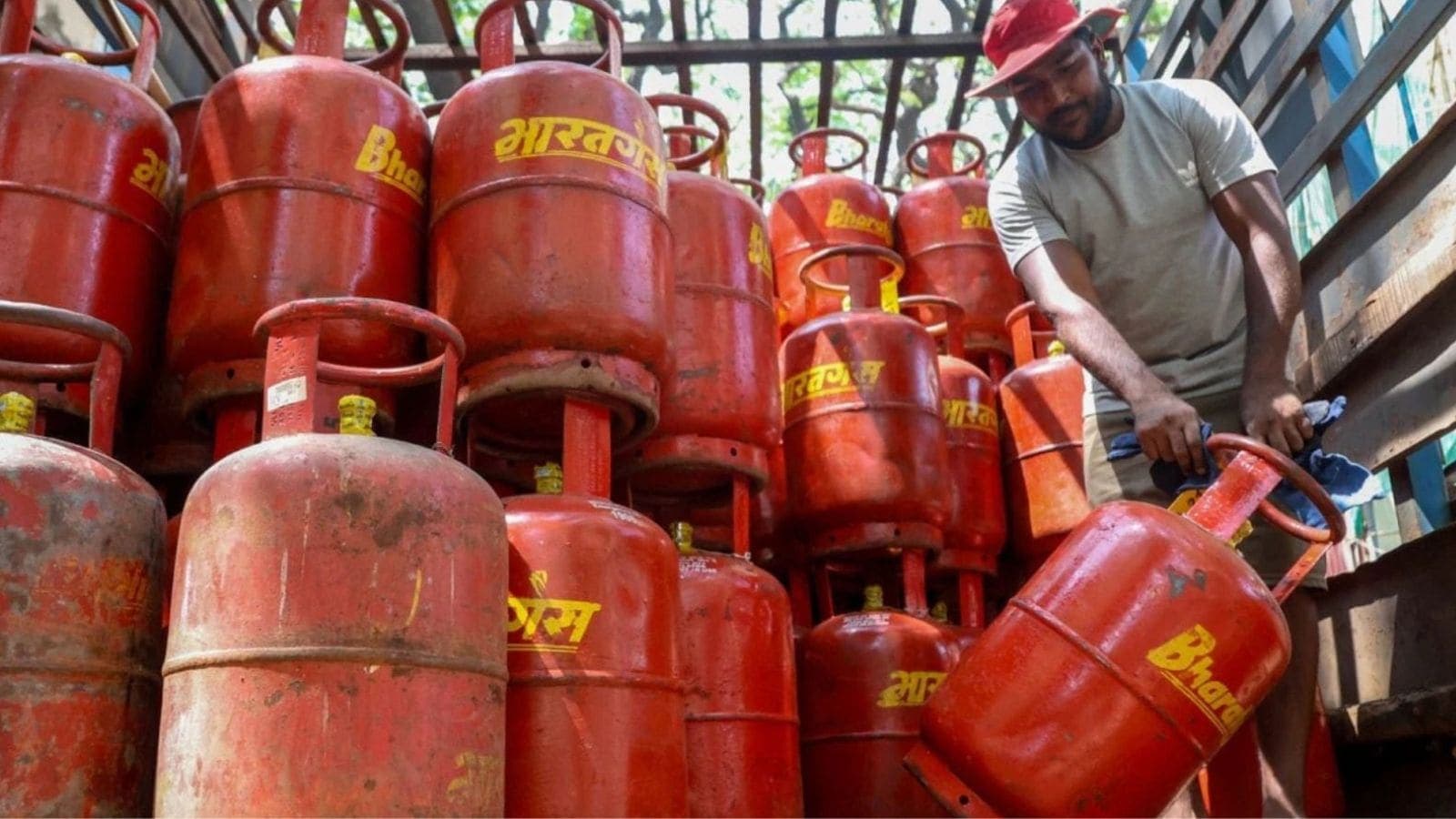
Commercial LPG prices have risen again, with increases of ₹42 in Delhi and ₹53.50 in Kolkata impacting businesses and consumers alike. Find out more.
Indian Express
Discover how a tragic coal mine explosion in Shanxi, China, reveals ongoing safety concerns in the industry amidst a push for green energy.
BBC Business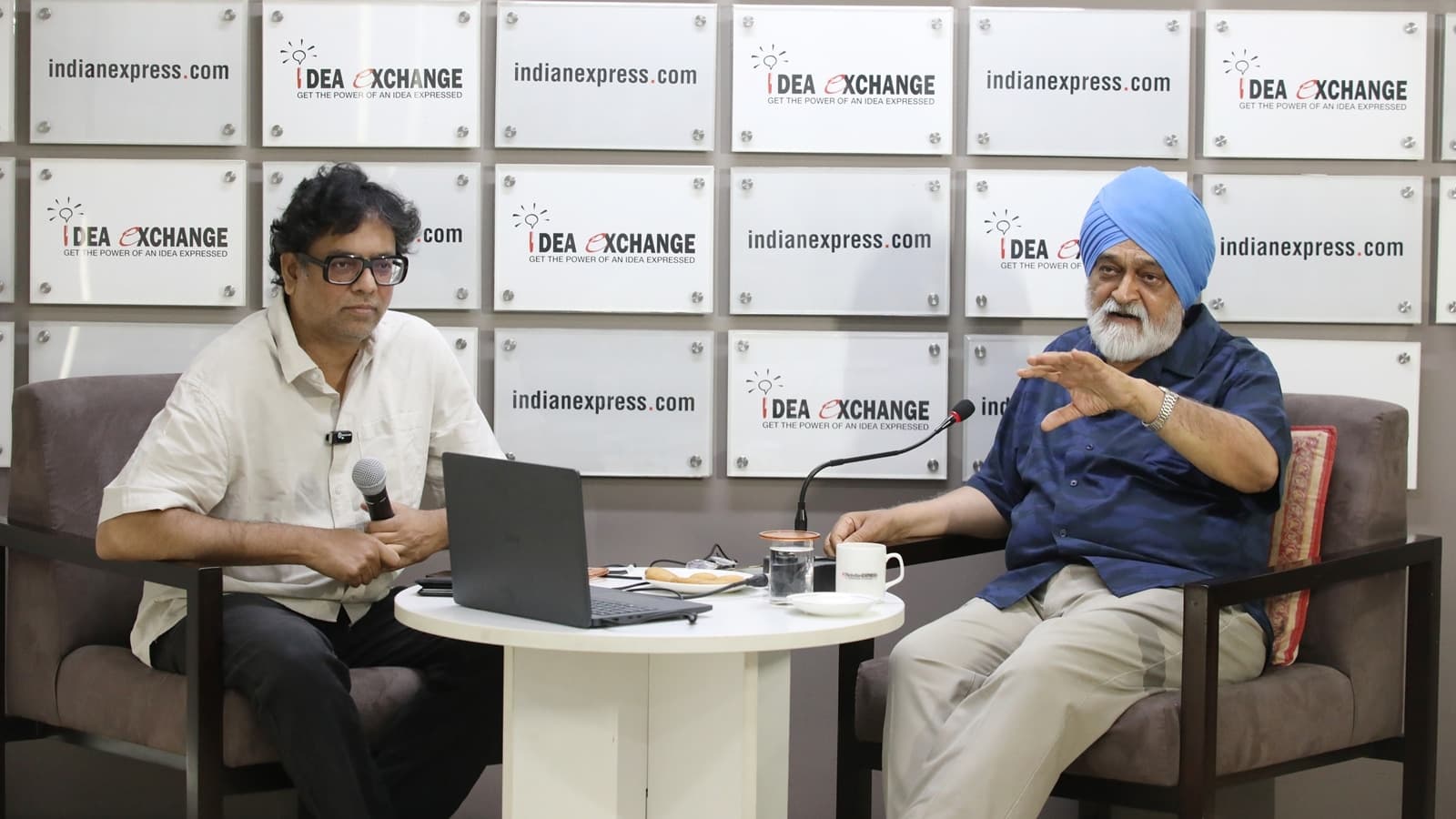
Montek Singh Ahluwalia highlights key economic challenges for India, emphasizing the need for a strategic approach to balance payments and investment.
Indian Express