
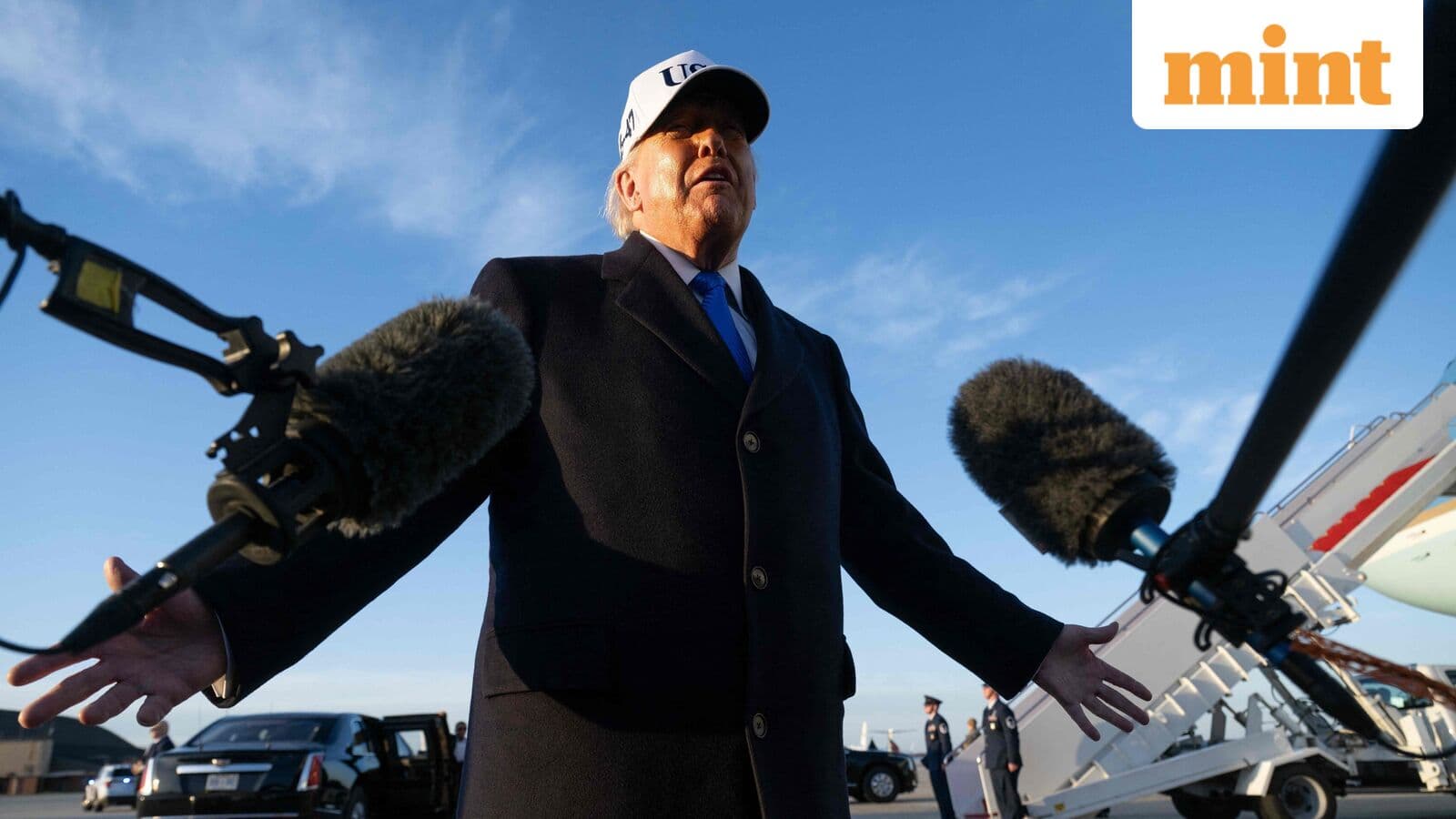
Image: Mint (Business)
The US-Iran conflict escalates with a drone incident near Dubai airport and Trump's comments on international coalitions for maritime security. What’s next?
GlipzoThe ongoing conflict between the United States and Iran, which also involves Israel, has now surpassed the two-week mark, with no signs of resolution in sight. Both Washington and Tel Aviv have made it clear that military operations are expected to continue for at least several more weeks. This protracted conflict has significant implications not only for the involved nations but also for global energy markets.
As a result of escalating tensions, trade through the Strait of Hormuz, a critical waterway for energy shipments, has nearly ground to a halt. This disruption has led to rising energy prices worldwide, impacting consumers and businesses alike.
On Sunday, officials from the Trump administration conveyed a belief that the conflict with Iran might conclude sooner rather than later, potentially within a few weeks. Energy Secretary Chris Wright appeared on ABC, expressing optimism about the timeline for resolution, while Kevin Hassett, an economic advisor to former President Trump, remarked that Operation Epic Fury was progressing faster than anticipated.
These statements align with reports from the Israeli military, which announced plans to sustain military operations in Iran for at least three additional weeks. This coordinated military strategy suggests a concerted effort to exert pressure on Iran, potentially leading to a swift conclusion to hostilities.
The Strait of Hormuz holds immense strategic importance, as it serves as a conduit for a substantial volume of global oil trade. In light of the current circumstances, Trump emphasized the necessity for international cooperation to safeguard shipping in this vital waterway. - Key Points: - The Strait of Hormuz is essential for energy trade. - Disruption has led to rising energy prices globally. - International coalitions may be formed to ensure safe navigation.
Reports surfaced indicating that the Trump administration plans to announce an international coalition to escort vessels through the strait, ensuring that trade can resume without further disruptions. Trump has even suggested that China should play a role in this coalition, highlighting the importance of shared responsibility among nations that rely on this critical waterway.
Compounding the situation, a fire was reported near Dubai International Airport on Monday morning, following what officials described as a “drone incident.” The Dubai Media Office confirmed that a fuel tank caught fire, prompting the temporary suspension of flights at the airport as a safety precaution.
Passengers have been advised to stay updated with their airlines regarding flight statuses amid the ongoing situation. The source of the drone activity remains unclear, adding to the uncertainty in the region.
In a separate development, Saudi Arabia’s defense ministry reported intercepting 37 drones early Monday morning. Although the origin of these drones was not specified, tensions are high as Iran's ambassador to Saudi Arabia, Alireza Enayati, denied any involvement in recent attacks on Saudi oil facilities, including the Ras Tanura refinery and drone strikes on the Shaybah oilfield.
Enayati insisted that if Iran were responsible for such attacks, it would have claimed credit, further complicating the narrative surrounding regional hostilities.
This increasing volatility in the Middle East has far-reaching implications, not just for the countries involved but for the global economy as a whole. The potential for military escalation, alongside disruptions to vital shipping routes, could lead to significant increases in oil prices, affecting both consumers and businesses worldwide.
As the situation develops, observers should monitor several key factors: - International Responses: Watch for announcements regarding the formation of coalitions to protect shipping in the Strait of Hormuz. - Economic Implications: Keep an eye on fluctuating energy prices and their impact on global markets. - Regional Security Developments: Be aware of any new military actions or incidents that could exacerbate tensions in the region.
In conclusion, the conflict between the US and Iran, alongside its implications for global energy security, is likely to remain a focal point of international attention in the coming weeks. The actions taken by the involved nations and their allies will be crucial in determining the trajectory of this ongoing crisis.

Survivors of the Laos cave rescue are aiding efforts to find the last two missing men trapped inside, sharing crucial insights for the search operation.
BBC World
A year after the tragic Air India crash, the Ali family reflects on grief, unanswered questions, and the enduring bonds of love in the face of loss.
BBC Business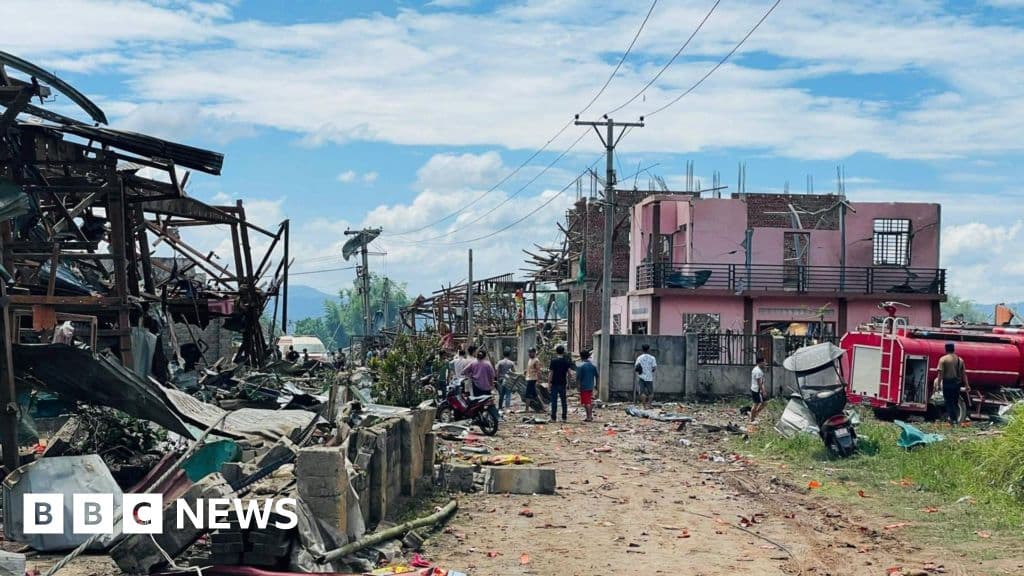
A devastating explosion in Myanmar's Kaung Tat village has killed at least 55 people, raising serious safety concerns and questions about civilian protection in conflict zones.
BBC World