A new women's health strategy aims to address long-standing issues in the NHS as women, like Zoe Trafford, share their struggles for adequate care.
Zoe Trafford's Struggle: A Voice for Many
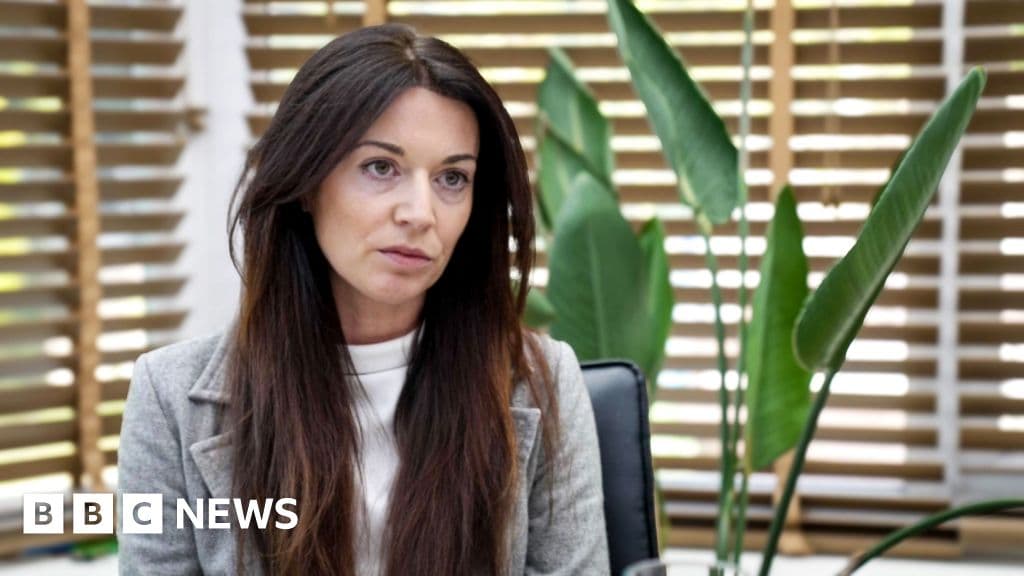
One poignant example of the challenges faced by women in the healthcare system is **Zoe Trafford**, a Liverpool hairdresser who has battled **endometriosis** since her teenage years. Despite undergoing major surgery that involved the removal of her womb and part of her bowel, Zoe continues to experience severe complications and feels unheard in her ongoing struggle for adequate care.
Zoe’s story is a striking reminder of how many women feel neglected by healthcare professionals. "I'm not being listened to. Basically, I've had the surgery but I'm having more and more complications," she expressed in a recent interview. For Zoe, the pain she experiences has forced her to leave her job, leading to a cycle of frustration as she navigates the complexities of the NHS without any clear answers or support.
The Updated Health Strategy: Key Goals and Challenges
The refreshed women's health strategy aims to address the endemic problems highlighted by women like Zoe. Health Secretary **Wes Streeting** has publicly recognized the existence of a "culture of medical misogyny" within the NHS, where women's health issues are often dismissed or inadequately addressed. He stated, "It shouldn't be a fight" for women to receive the care they need, emphasizing that the NHS must do better.
Key Goals of the Updated Strategy:
- **Accelerate waiting times** for women seeking gynaecological care.
- **Implement a digital NHS service** to streamline patient experiences.
- **Launch a patient power payment scheme** to collect feedback and allocate funds to areas needing improvement.
The strategy also includes a commitment to tackle the rising number of women on waiting lists for gynaecological procedures, which has alarmingly doubled to over 565,000 since early 2020. This increase reflects a broader issue, as waiting lists for other planned treatments have risen by only 58% during the same period.
A Step Forward: Patient Power Payment Scheme
One of the most innovative components of the new health plan is the **patient power payment scheme**. This initiative enables women to provide feedback on their healthcare experiences, allowing the government to allocate funds based on areas that require improvement. Healthcare providers that receive negative feedback could risk losing funding, creating an incentive for better care.
The gynaecology sector will be the first to trial this scheme, which could pave the way for its application across other medical fields. By empowering patients to voice their concerns, the government hopes to create a more responsive and patient-centered healthcare system.
Streamlined Referrals: Aiming for Efficiency
In addition to the patient power initiative, the updated strategy promises a more efficient referral process, which aims to cut down the lengthy waits currently experienced by many women. This streamlined approach is crucial for ensuring that women receive timely access to the specialists they need, thereby reducing their overall waiting times for treatment.
Broader Context: Why It Matters
The new health strategy is significant not just for the immediate benefits it promises but also for the broader cultural shift it aims to create within the NHS. Many women have long felt like second-class citizens within the healthcare system, where their pain and symptoms are often downplayed. This plan represents a critical step toward acknowledging and addressing these disparities.
Looking Ahead: What’s Next for Women’s Health
As the Labour government implements these changes, it will be essential to monitor their effectiveness. Continued engagement with women like Zoe Trafford will be crucial in understanding whether the updated strategy successfully addresses the systemic issues that have plagued women's healthcare for years. The healthcare community and patients alike will be watching closely to see if the promised improvements come to fruition.
Moving forward, the focus will likely remain on ensuring that women's voices are not just heard but are at the forefront of healthcare decisions. The success of this new strategy could serve as a model for addressing healthcare inequities across other demographics, making it a pivotal moment in the landscape of British healthcare.
In conclusion, the journey toward better women's healthcare is far from over. Advocacy, awareness, and continued pressure will be essential to ensure that the changes promised by the Labour government translate into real-world improvements for women like Zoe and countless others across England.