
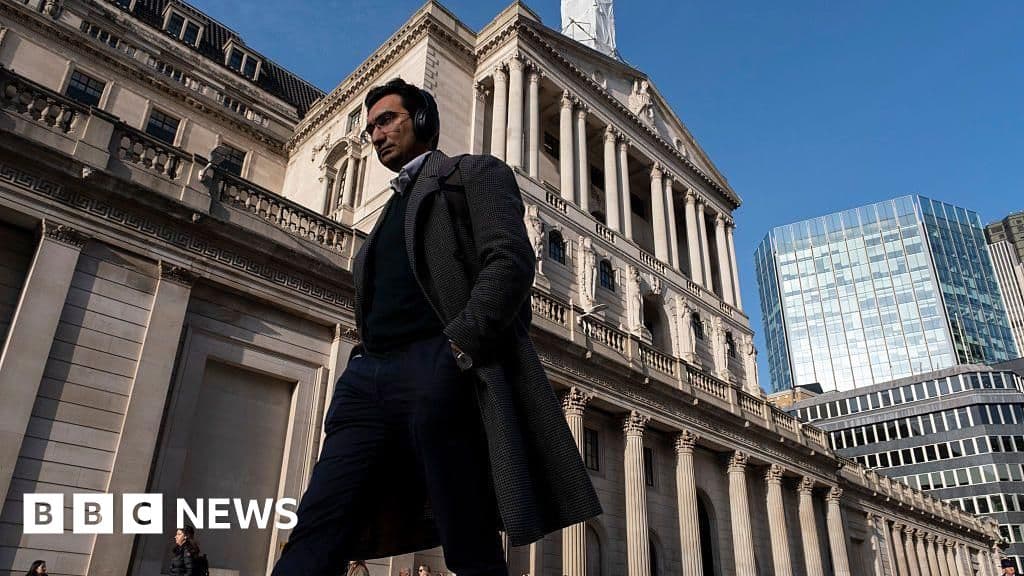
Image: BBC Business
Explore the uncertainties facing the UK economy amid rising oil prices and potential interest rate hikes. How will households cope with the impact?
GlipzoAs the UK grapples with a complex web of geopolitical tensions and economic pressures, the impact of the ongoing oil crisis is becoming increasingly apparent. Faisal Islam, in his analysis, underscores that recent decisions by the Bank of England highlight the uncertainty that looms over the nation. With the Bank's recent meeting, it is clear that the broader economic landscape is largely out of the UK's control, particularly given the precarious situation in the Strait of Hormuz, a vital artery for global oil trade.
The Bank of England's latest meeting minutes reveal a cautious stance, suggesting that while immediate rate cuts are off the table, the likelihood of interest rate increases is on the rise. If oil prices, which peaked at $125 on Thursday morning, remain elevated, interest rates could exceed 5% in the near future. This scenario paints a worrying picture for households already feeling the financial strain at the gas pump, with rising energy and food prices adding to their burdens.
The question on many minds is: how should households prepare for a potential surge in mortgage costs amidst this crisis? When posed with this concern, Bank of England Governor Andrew Bailey acknowledged the challenges facing consumers.
> "These are very difficult circumstances. This is a major increase in energy prices. No question about that," Bailey stated.
He elaborated on the disproportionately negative effects of inflation on lower-income households, where energy and food expenses consume a larger portion of their budgets.
The rapid fluctuations in oil prices have not gone unnoticed by the markets. Bailey highlighted that the price of oil can shift dramatically, affecting economic forecasts and the Bank's policy decisions. Currently, the markets are predicting a potential interest rate rise in June or July, driven by expectations of prolonged blockades and continued energy price volatility.
This uncertainty has resulted in higher long-term rates, particularly affecting fixed-term mortgage rates. With more than half of mortgaged households expected to transition off fixed rates in the coming years, the implications for household budgets could be severe. As these rates rise, many will experience the reality of increased financial pressure.
The implications of the current crisis extend beyond individual households; they also pose significant challenges for the UK government. Rising government borrowing rates, a trend seen globally due to ongoing geopolitical tensions, are impacting the UK's economic stability. Bailey noted that UK rates have shown more volatility compared to other G7 nations, highlighting the unique challenges faced by the country.
In response to queries about whether the UK is experiencing distinct issues, Bailey pointed to the strength of the sterling as evidence that the situation is primarily driven by external factors rather than inherent UK economic weaknesses.
> "It's all to do with the conflict... The exchange rate hasn't moved much, indicating that the UK's situation is not significantly different from other countries," he explained.
Despite these challenges, there are indications that the UK economy has shown some resilience in the first quarter of the year. However, with the ongoing crisis in the Gulf region, there is no room for complacency. The Bank of England has signaled the need for households and businesses to prepare for prolonged uncertainty if the conflict continues for several months.
In conclusion, as the UK navigates this turbulent period marked by rising energy costs and potential interest rate hikes, households and businesses must remain vigilant. Preparing for various scenarios will be crucial in effectively managing the challenges ahead, as the global landscape continues to evolve. The future remains uncertain, but awareness and preparation can help mitigate the impact of these economic fluctuations.
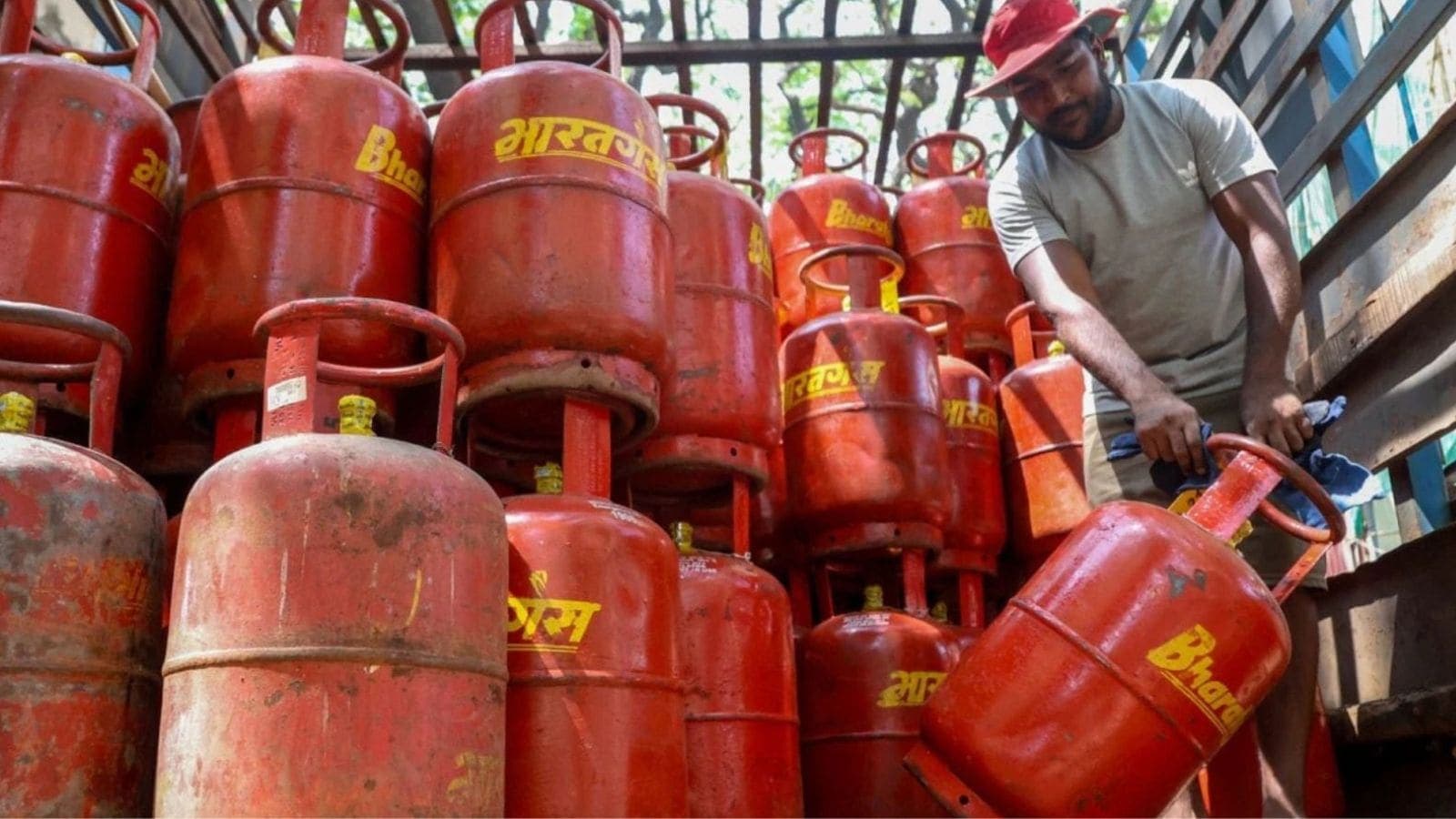
Commercial LPG prices have risen again, with increases of ₹42 in Delhi and ₹53.50 in Kolkata impacting businesses and consumers alike. Find out more.
Indian Express
Discover how a tragic coal mine explosion in Shanxi, China, reveals ongoing safety concerns in the industry amidst a push for green energy.
BBC Business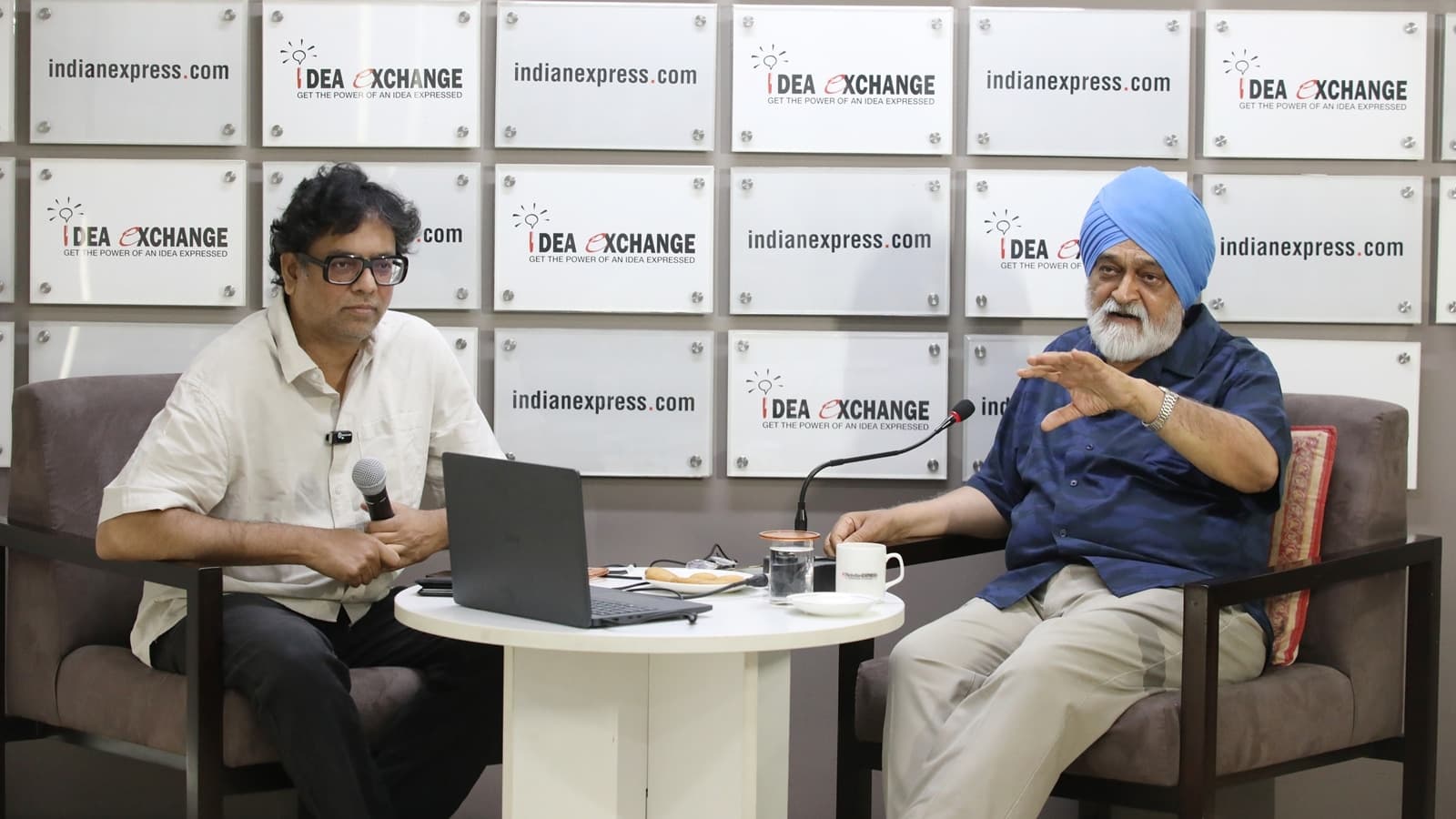
Montek Singh Ahluwalia highlights key economic challenges for India, emphasizing the need for a strategic approach to balance payments and investment.
Indian Express