

Image: Mint (Business)
Three UN peacekeepers killed in Lebanon amid escalating Israel-Hezbollah conflict. What does this mean for peacekeeping efforts and regional stability?
GlipzoIn a shocking turn of events, three United Nations peacekeepers have lost their lives in Lebanon as fierce skirmishes between Israel and Hezbollah, an Iranian-backed militant group, escalate in the southern region. These tragic incidents unfold amidst a backdrop of heightened military tension, with the conflict now entering a critical phase. The UN’s peacekeeping chief, Jean-Pierre Lacroix, reported that two Indonesian peacekeepers were killed on Monday, while an earlier attack on Sunday claimed the life of another Indonesian soldier.
Lacroix confirmed that two additional peacekeepers were injured when their logistics convoy came under fire. “The origin of the explosion has not been determined,” he stated during a briefing in New York, highlighting the chaotic nature of the ongoing violence.
The timeline of these attacks paints a grim picture: the first incident occurred on Sunday near Adchit Al Qusayr, followed by another attack on a UN Interim Force in Lebanon (UNIFIL) position close to Bani Hayyan. These assaults coincide with Israel's military operations against Hezbollah amidst a broader conflict involving the United States and Iran, marking a volatile month of fighting.
Since the onset of Israel's latest military action in southern Lebanon, over 1,200 individuals have died, and more than 1 million people have been displaced. This wave of violence follows the October 7, 2023 attack by Hamas on Israel, which led to a temporary ceasefire earlier this year.
UN Secretary-General Antonio Guterres expressed his condemnation of the attacks on peacekeepers, emphasizing the dangerous conditions under which they operate. In a post on X (formerly Twitter), he stated, “This is just one of a number of recent incidents that have jeopardized the safety & security of peacekeepers.” His remarks resonate with the urgent call for heightened protection for UN personnel in conflict zones.
French Foreign Minister Jean-Noel Barrot voiced similar concerns, appearing to place blame on Israel for the recent violence. He called for an emergency meeting of the UN Security Council to address what he described as “extremely serious incidents.” In his post, Barrot labeled the actions of Israeli soldiers against UN personnel as “unacceptable and unjustifiable,” urging immediate attention from the international community.
The UN Security Council is scheduled to convene on Tuesday morning to discuss the recent attacks on UN personnel in Lebanon, according to Israel’s mission to the UN. In response to the escalating tensions, Israel’s ambassador to the UN, Danny Danon, asserted that the responsibility for the ongoing turmoil lies primarily with Hezbollah. He stated, “Hezbollah continues to turn the region into a battlefield,” reinforcing Israel’s commitment to protect its citizens from threats along its northern border.
These developments are critical not only for the immediate safety of UN peacekeepers but also for the broader geopolitical landscape in the Middle East. The violence threatens to undermine longstanding peacekeeping missions, which are essential for stability in conflict-ridden areas. The loss of lives among UN personnel raises serious concerns about the effectiveness and safety of international peacekeeping operations in high-conflict zones.
As the situation unfolds, the international community is urged to pay close attention to the potential ramifications of these attacks. The rising casualties among UN peacekeepers may provoke a reevaluation of peacekeeping strategies in Lebanon and other regions experiencing similar conflicts.
As the UN Security Council prepares to discuss these troubling incidents, observers will be keenly watching how member states respond to the escalating violence. The potential for further military action by Israel against Hezbollah could lead to an even more significant humanitarian crisis in Lebanon.
In the coming days, key developments to watch include: - The response from the UN Security Council and any resolutions passed regarding the protection of peacekeepers. - The potential for an escalation of hostilities between Israeli forces and Hezbollah, particularly if Israel perceives continued threats from the militant group. - The reactions from other nations, especially those in the region, as they assess the implications of increased violence on their own security and diplomatic relations.
The ongoing conflict in Lebanon, underscored by the tragic deaths of UN troops, serves as a stark reminder of the fragile state of peace in the region, and the urgent need for diplomatic solutions to prevent further loss of life.
Stay informed as these developments unfold, and understand the broader implications for peace and security in the Middle East.
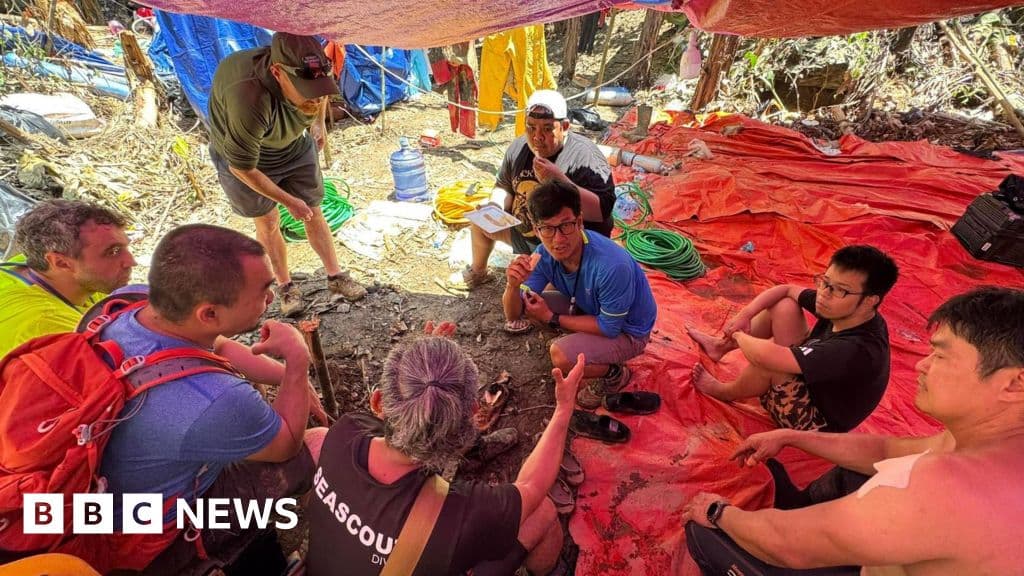
Survivors of the Laos cave rescue are aiding efforts to find the last two missing men trapped inside, sharing crucial insights for the search operation.
BBC World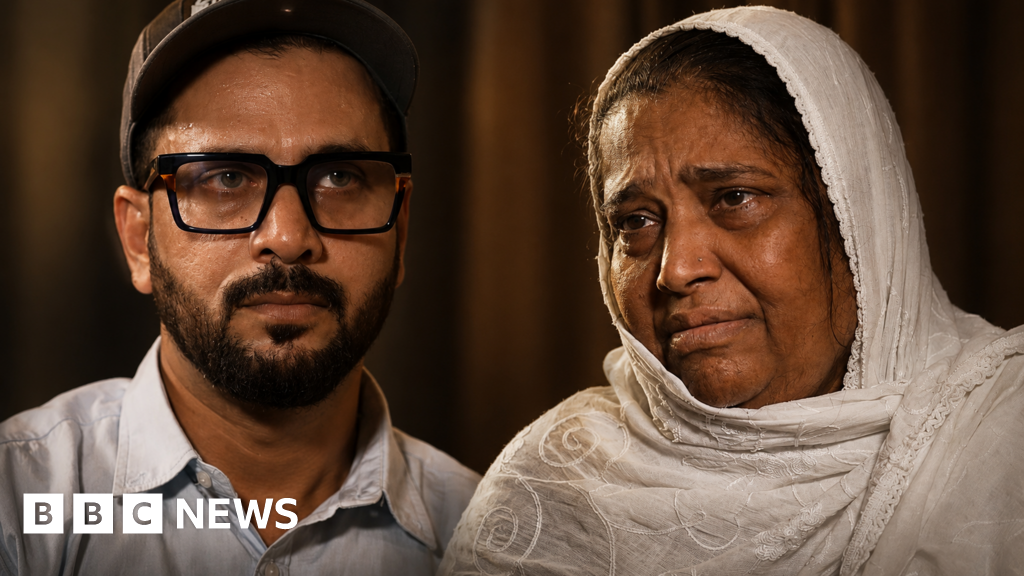
A year after the tragic Air India crash, the Ali family reflects on grief, unanswered questions, and the enduring bonds of love in the face of loss.
BBC Business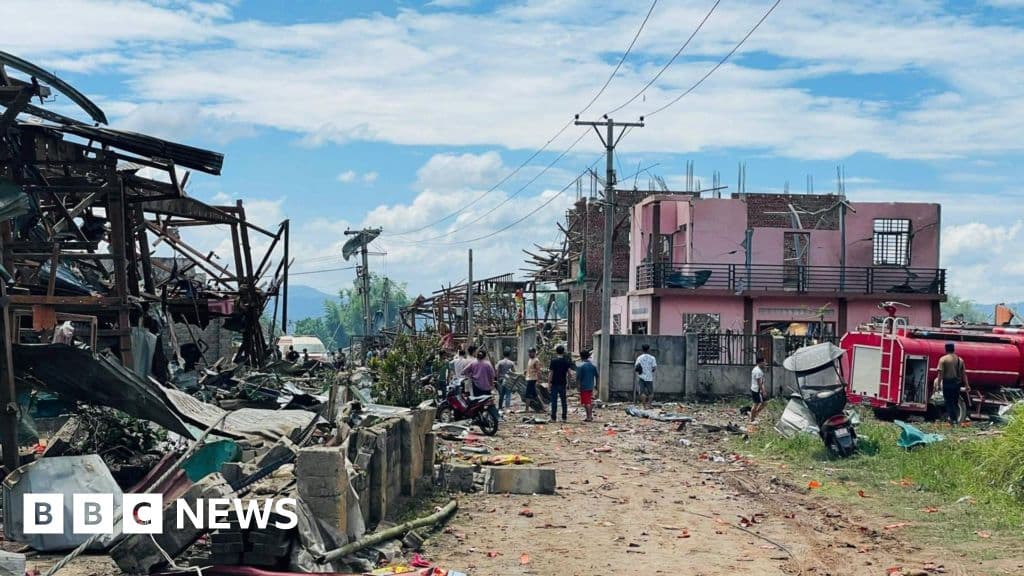
A devastating explosion in Myanmar's Kaung Tat village has killed at least 55 people, raising serious safety concerns and questions about civilian protection in conflict zones.
BBC World