
Image: BBC World
Ukrainian drones hit a Russian oil refinery again, leading to evacuations and raising environmental concerns. What’s next for this escalating conflict?
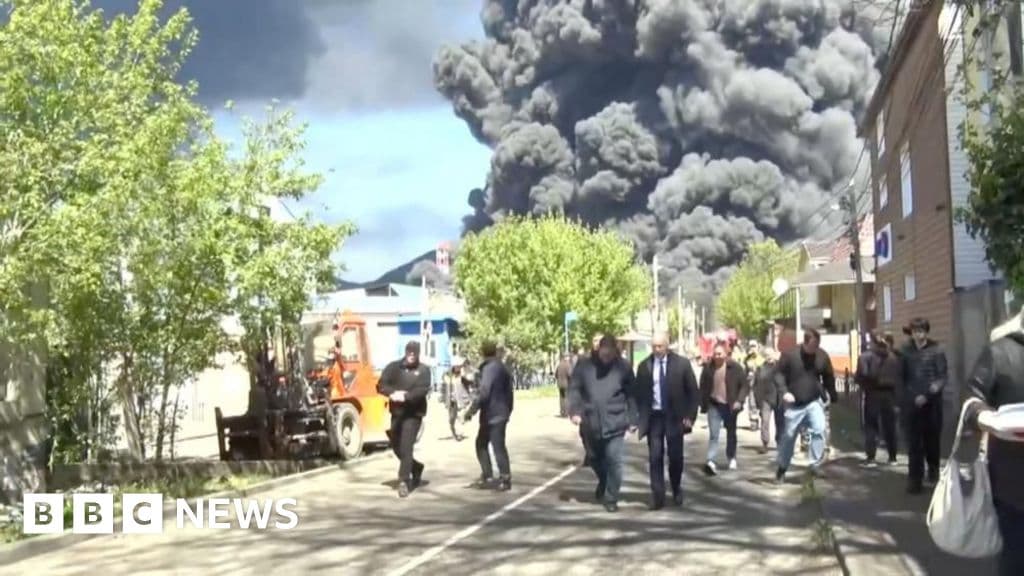
GlipzoIn a striking escalation of conflict, Ukrainian drones have targeted the Tuapse oil refinery on the Black Sea for the third time this month, igniting a massive fire and leading to the evacuation of nearby residents. This latest attack underscores Ukraine's strategic focus on crippling Russia's oil production capabilities, which are critical to funding its military operations. The wave of assaults coincides with heightened tensions as both nations grapple with the consequences of the ongoing war.
Local officials confirmed that the drone strike caused significant damage, with over 160 firefighters responding to the scene to combat the blaze. Krasnodar regional governor Veniamin Kondratyev referred to the firefighters' efforts as "true heroism", emphasizing their commitment to preserving the safety of the local population. Fortunately, no casualties have been reported as a result of the latest attack.
In the two previous strikes at the Tuapse refinery, significant environmental impacts were noted, including a major oil spill that raised alarms about pollution in the Black Sea. Witnesses reported unusual occurrences such as "black rain" that left oily residues on surfaces in the city, raising health and environmental concerns among residents. The ongoing situation has prompted local officials to establish temporary evacuation centers in schools for those affected by the ongoing crisis.
As the situation develops, local authorities have issued warnings regarding the release of harmful combustion products into the atmosphere due to the intense fire. Residents have been advised to wear masks and limit their outdoor activities, highlighting the public health risks associated with such industrial fires. The Krasnodar regional crisis center has emphasized the need for precautions, as the smoke plume has raised alarms among the population.
The Kremlin has not remained silent following these attacks. Russian President Vladimir Putin ordered an urgent response from the country’s emergencies minister to oversee firefighting and cleanup efforts in Tuapse. The Kremlin accuses Ukraine of deliberately targeting oil storage facilities, asserting that these strikes contribute to instability in global energy markets. Dmitry Peskov, Putin’s spokesman, stated that Ukraine is exacerbating the oil shortage on a global scale, a claim that reflects the heightened geopolitical implications of the conflict.
In a statement released on Tuesday, Ukraine's military confirmed its responsibility for the recent strikes, reiterating that targeting energy infrastructure is part of its broader strategy to diminish Russia’s military-economic capacity. By focusing on energy facilities, Ukraine aims to cut off essential funding for Russia's ongoing war efforts, making such operations a crucial component of its military strategy.
The recent drone strikes are a reflection of Ukraine's shift towards more aggressive tactics in the ongoing conflict, particularly in the wake of the full-scale invasion that began in 2022. As the war continues, Ukraine has intensified its military operations against key energy installations across Russia, viewing them as legitimate targets that directly support military operations.
In a parallel development, the conflict's toll continues to escalate in other areas as well. Ukrainian officials reported injuries resulting from a separate Russian drone attack on Kyiv, the capital city. Mayor Vitaliy Klitschko disclosed that one person was injured during this attack, highlighting the pervasive nature of the conflict that affects not just military targets but also civilian areas.
As the conflict unfolds, the implications of Ukraine's strikes on Russian energy infrastructure will continue to ripple through both nations and the global market. The ongoing attacks signal Ukraine's commitment to undermining Russia's war capabilities through strategic targeting of its oil refineries, which are critical to financing military operations.
Looking ahead, observers should anticipate further escalations in drone warfare tactics, as both sides adapt to the evolving landscape of conflict. The international community will be watching closely, particularly regarding the impact these strikes may have on global energy prices and geopolitical stability. The interconnectedness of military actions and their repercussions on civilian life and the environment will remain a crucial narrative as the situation develops.
In conclusion, the ongoing strikes against the Tuapse refinery represent a significant escalation in Ukraine's military strategy, one that emphasizes the critical role of energy infrastructure in modern warfare. As both nations brace for continued conflict, the consequences will likely extend beyond the battlefield, affecting global markets and regional stability.

Survivors of the Laos cave rescue are aiding efforts to find the last two missing men trapped inside, sharing crucial insights for the search operation.
BBC World
A year after the tragic Air India crash, the Ali family reflects on grief, unanswered questions, and the enduring bonds of love in the face of loss.
BBC Business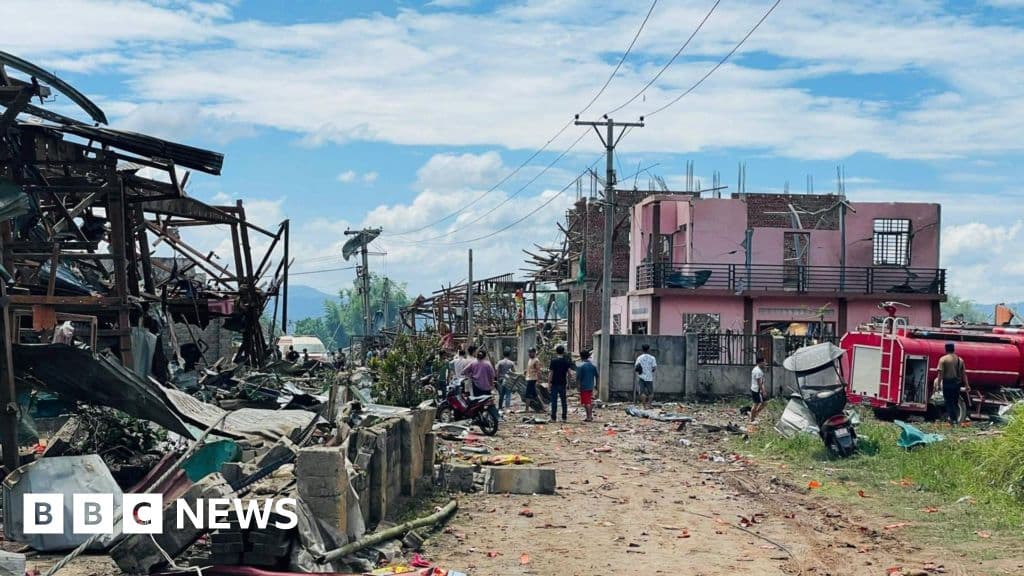
A devastating explosion in Myanmar's Kaung Tat village has killed at least 55 people, raising serious safety concerns and questions about civilian protection in conflict zones.
BBC World