
Image: BBC World
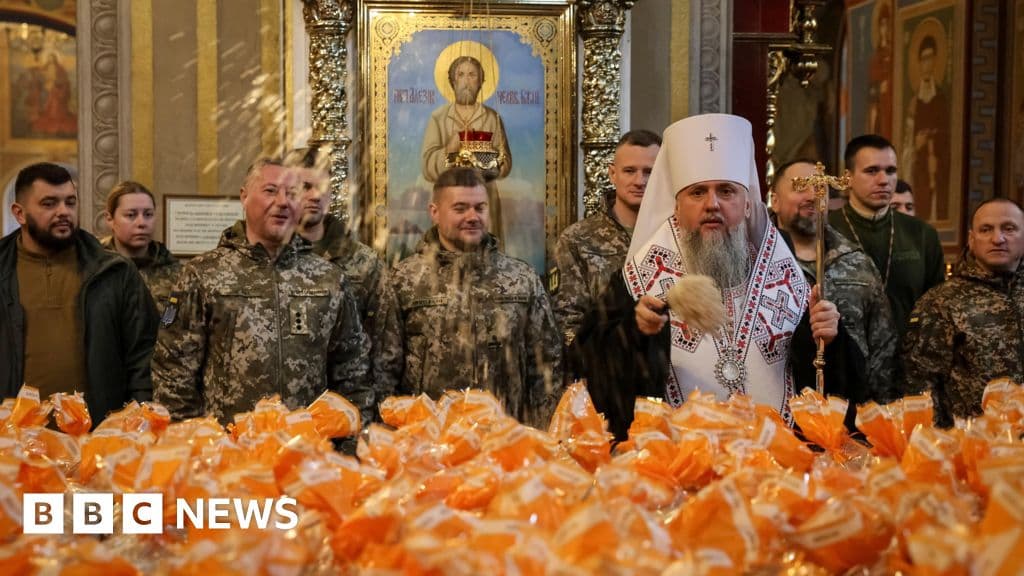
Russia and Ukraine announce a truce for Orthodox Easter, but skepticism remains. Will this temporary peace lead to lasting resolutions?
GlipzoIn a surprising turn of events, Russia and Ukraine have reached an agreement for a temporary truce during the Orthodox Easter festivities. Vladimir Putin, the President of Russia, has ordered his troops to cease all offensive operations starting from April 11, 2023, at 16:00 local time (14:00 BST). This gesture is seen as an attempt to ease tensions during a significant religious observance, although skepticism remains on both sides regarding its effectiveness.
The announcement follows Volodymyr Zelensky’s persistent calls for a ceasefire, which had largely been overlooked by Moscow until now. Putin's declaration includes an expectation that Ukraine would reciprocate this gesture, as he emphasized the need for readiness against any potential provocations. The Kremlin's phrasing suggests a calculated move to regain the narrative in this ongoing conflict, a situation that is likely to provoke discontent among Ukrainians.
In response to Putin's announcement, Zelensky took to social media platform X to convey Ukraine's position. He stated, "People need an Easter free from threats and real movement toward peace," highlighting the humanitarian needs of the populace during this holiday. Zelensky pointed out that Russia has a chance to maintain peace after the Easter celebrations, indicating a willingness for reciprocal efforts.
Earlier in the week, Zelensky had urged the United States to facilitate a holiday weekend truce with Russia, emphasizing the importance of de-escalating hostilities as a preliminary step towards a more durable peace. The potential for a ceasefire would provide much-needed respite for soldiers stationed along the extensive frontline in eastern Ukraine, where they face relentless bombardments from attack drones.
While this truce offers a momentary pause, the reality on the ground remains grim. Civilians in Ukraine live under the constant threat of air raids, with recent attacks resulting in tragic casualties. For instance, a drone strike in Nikopol claimed multiple lives, while a missile attack in Zhytomyr left another civilian dead. Such incidents underscore the urgent need for a more comprehensive and lasting solution to the conflict.
As the sirens blared in Kyiv shortly after the truce announcement, the residents are reminded of the precariousness of the situation. In addition to the ongoing hostilities, Ukraine has ramped up its drone operations targeting Russian energy facilities, further complicating the already tense atmosphere.
The skepticism surrounding this truce is rooted in the historical context of previous ceasefire attempts. Earlier this year, Russia proclaimed an “energy truce,” which quickly devolved into further missile attacks. Last May, another unilateral ceasefire was observed, coinciding with the anniversary of the Soviet victory over Nazi Germany, but Ukraine documented hundreds of violations during that period.
Kyiv's ultimate goal has long been a comprehensive and stable ceasefire as a precursor to meaningful negotiations aimed at ending the invasion. However, Russia’s insistence on finalizing peace terms before halting hostilities has led to accusations of insincerity from Ukrainian officials. Despite several rounds of negotiations, the peace process has stagnated, particularly following Donald Trump’s pivot to the Middle East.
As this truce approaches, many are left wondering whether it will hold or simply serve as a brief pause in the ongoing violence. The coming days will be crucial in determining the feasibility of extending the ceasefire beyond Easter. Observers will be closely monitoring reactions from both Ukrainian and Russian military forces as well as civilian responses across the affected regions.
For Ukraine, the hope is that this truce could lead to a more stable cessation of hostilities, but the history of broken promises looms large. The international community, especially the United States, will likely continue to play a vital role in mediating discussions, but the path forward remains fraught with challenges.
In summary, while the Easter truce may provide a temporary reprieve from violence, the underlying issues of the conflict remain unresolved. The eyes of the world will be on Ukraine and Russia to see if this moment of peace can be transformed into a lasting solution to the ongoing war.
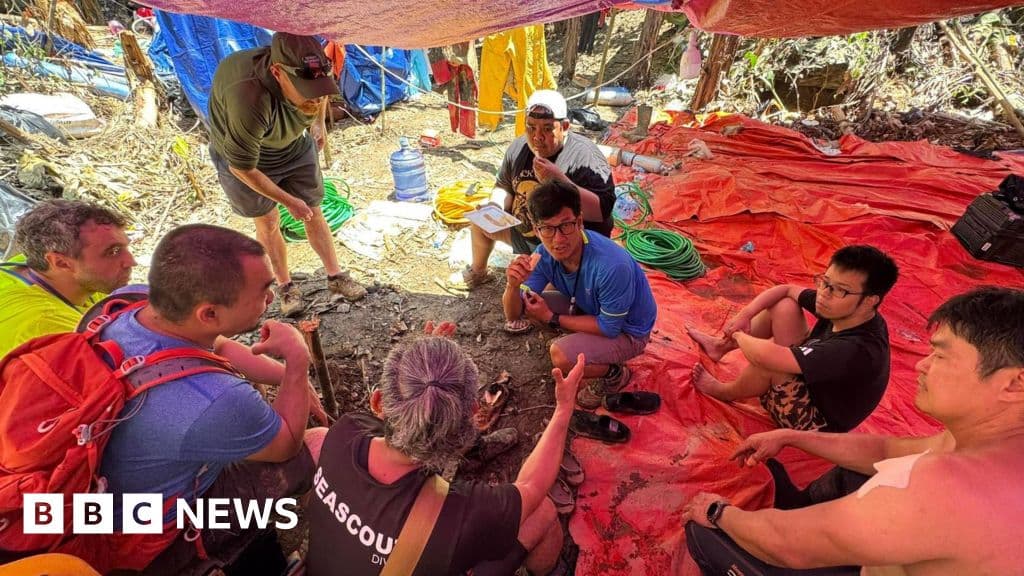
Survivors of the Laos cave rescue are aiding efforts to find the last two missing men trapped inside, sharing crucial insights for the search operation.
BBC World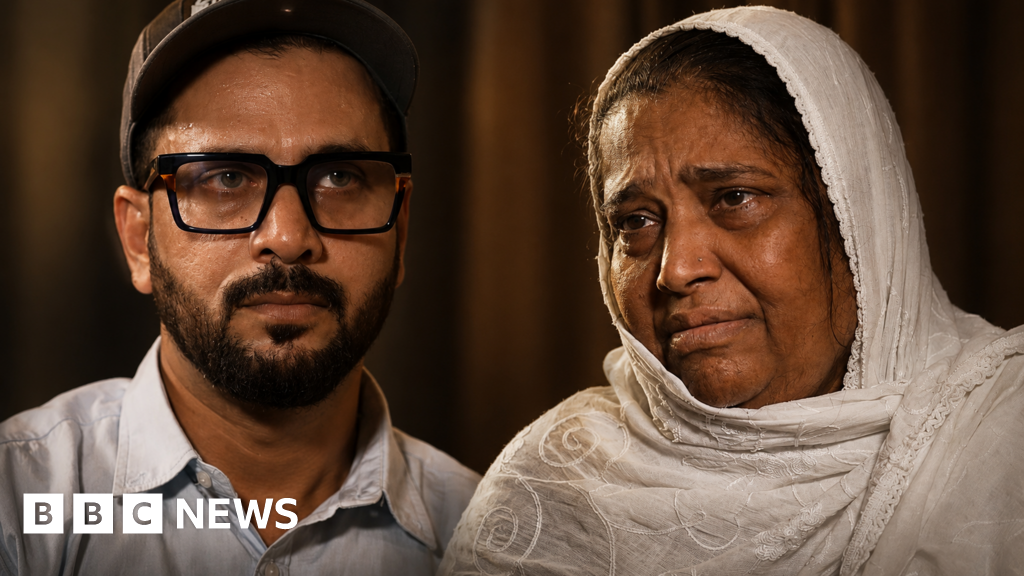
A year after the tragic Air India crash, the Ali family reflects on grief, unanswered questions, and the enduring bonds of love in the face of loss.
BBC Business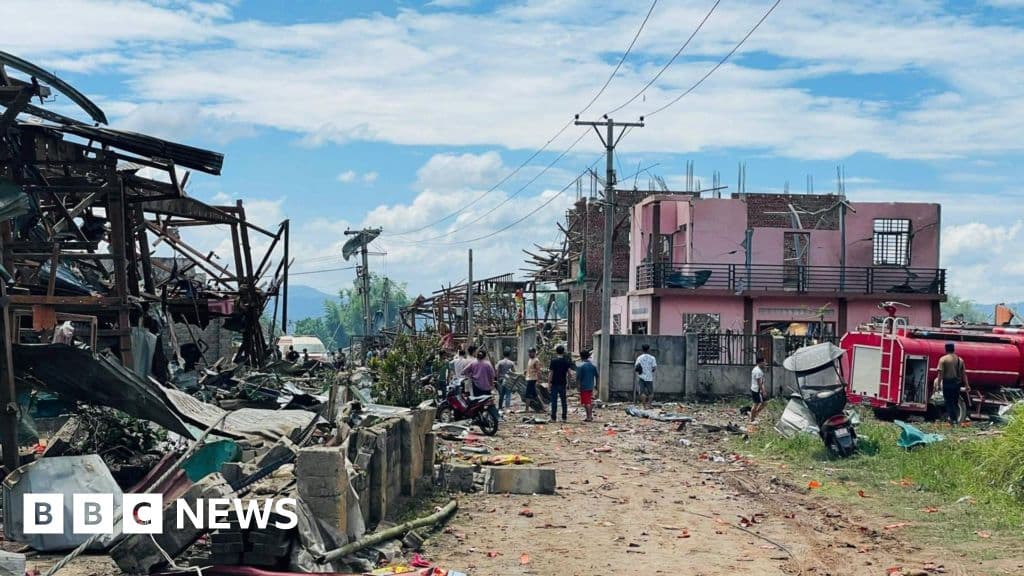
A devastating explosion in Myanmar's Kaung Tat village has killed at least 55 people, raising serious safety concerns and questions about civilian protection in conflict zones.
BBC World