
Image: BBC Business
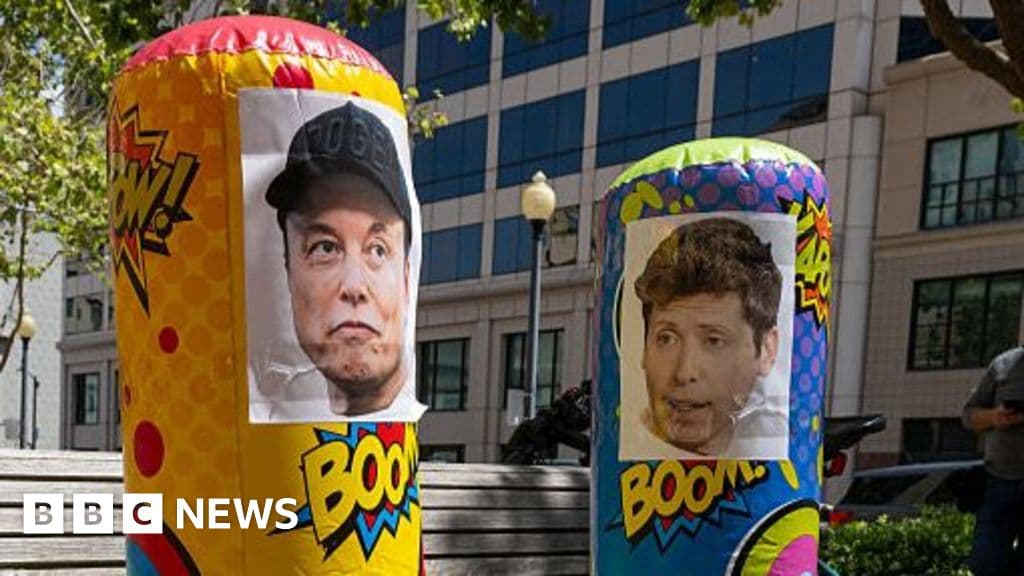
Elon Musk and Sam Altman face off in a high-stakes lawsuit over OpenAI’s charitable status. What does this mean for the future of AI and philanthropy?
GlipzoIn a high-profile trial that has captured the attention of the tech world, Elon Musk and Sam Altman, co-founders of OpenAI, are embroiled in a legal dispute that could redefine the landscape of charitable giving and technological innovation. The proceedings kicked off in California, where both sides presented starkly different interpretations of OpenAI's history and its obligations to consumers. The courtroom tension was palpable as Musk took the stand, asserting the importance of charity integrity.
Musk, dressed sharply in a dark suit and tie, laid out his concerns regarding the lawsuit when questioned by his attorney. "It's actually very simple," he stated emphatically. "It's not okay to steal a charity... If it's okay to loot a charity, the entire foundation of charitable giving will be destroyed." This statement underlines Musk's view that OpenAI's transformation from a non-profit to a commercial entity threatens the very essence of charitable contributions in the tech sector.
The legal battle heats up as Musk's legal team accuses OpenAI of breach of charitable trust and unjust enrichment. Musk is seeking billions of dollars in what his attorneys label as "wrongful gains," asserting that these funds should be redirected to support OpenAI's original non-profit mission. His legal representation has not held back, claiming that Altman and co-founder Greg Brockman "stole a charity" when they shifted the focus of OpenAI towards commercialization.
In a dramatic opening statement, Musk's attorney, Steven Molo, made it clear that this case is about more than just money; it's about the ethical implications of AI development. Molo emphasized Musk's substantial contributions to OpenAI, highlighting that he donated $38 million over several years while the organization operated as a non-profit. "Without Elon Musk, there would be no OpenAI. Pure and simple," Molo declared, establishing a narrative that frames Musk as a pivotal figure in the company's inception.
However, the narrative from OpenAI's legal team paints a contrasting picture. William Savitt, representing OpenAI, has accused Musk of leveraging his investment to undermine the organization and its founders out of jealousy. He argued, "We're here because Mr. Musk didn't get his way at OpenAI. Because he's a competitor, Mr. Musk will do anything to attack OpenAI." Savitt further claimed that Musk's desire to absorb OpenAI into Tesla was rejected by other founders, leading to his departure from the company.
The courtroom drama was intensified by Judge Yvonne Gonzalez Rogers, who cautioned both parties against using their platforms to sway public opinion. Musk's use of social media, particularly his reference to Altman as "Scam Altman" on X (formerly Twitter), has drawn scrutiny, with the judge urging him to refrain from such provocations during the trial.
This lawsuit is not just a clash of personalities but speaks to broader concerns about the future of artificial intelligence. As both Musk and Altman testify, the implications of their legal battle extend far beyond their personal grievances. If Musk succeeds in his claims, it could set a precedent for how tech companies engage in charitable practices and could influence future investments in AI.
OpenAI has been at the forefront of AI innovation, notably with the launch of ChatGPT, which has transformed the AI landscape since its release. Musk's own AI venture, xAI, which introduced the chatbot Grok, has struggled to keep pace with competitors. This rivalry adds another layer of complexity to the ongoing discourse around AI ethics and governance.
As the trial progresses, the tech community is watching closely. The verdict, expected in late May, will not only impact Musk and Altman but could reshape the future dynamics of AI development and how charitable organizations operate in the tech sector.
With Altman set to testify, insights from his perspective could further illuminate the motivations behind the transformation of OpenAI. The outcome of this case has the potential to influence not just the relationship between these two tech giants, but the very future of artificial intelligence and its place within the framework of charitable giving.
What to Watch For: With both sides fiercely defending their positions, the testimony of key figures and the jury's ultimate verdict will be closely analyzed for their ramifications on future AI developments and charitable practices in the tech space.
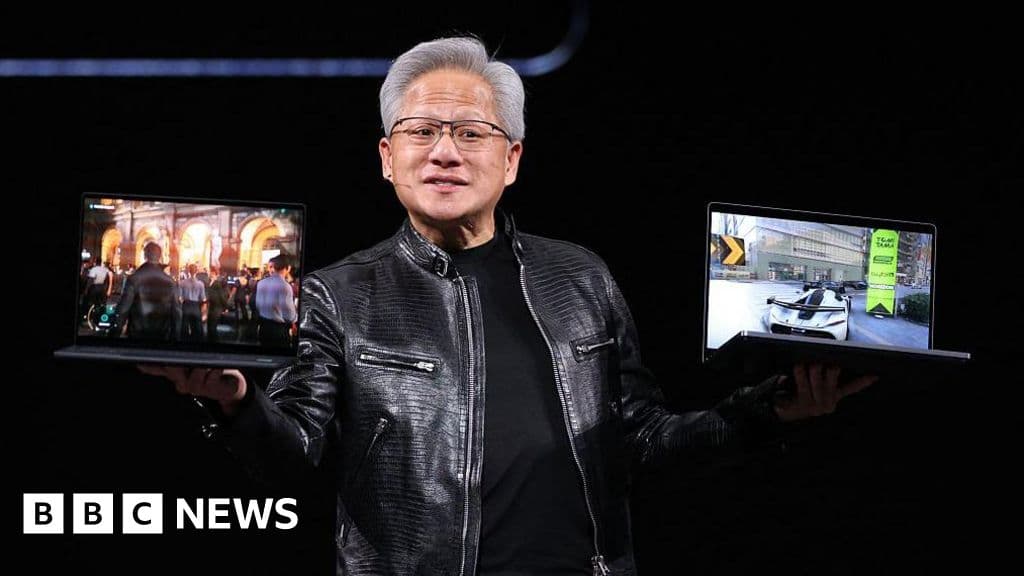
Nvidia's new RTX Spark chip aims to transform personal computing with AI, marking a significant shift in technology. Discover what this means for consumers.
BBC Business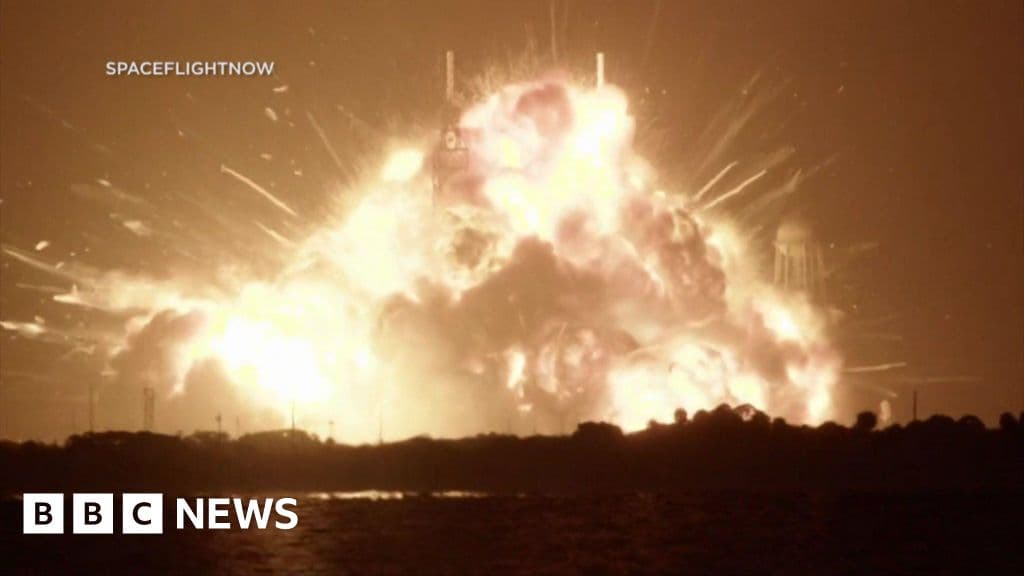
The explosion of Blue Origin's New Glenn rocket raises significant concerns over NASA's lunar ambitions and the future of Amazon's satellite projects. Discover the implications.
BBC Science
Discover how Meta's lack of engagement on user bans raises critical concerns about accountability and transparency in social media governance.
BBC Technology