Major Trade Deal Talks Between India and U.S. Hit Snags
India's trade deal with the U.S. faces delays due to tariff uncertainties. What are the implications for both economies? Read on to find out!
Glipzo News Desk|Source: The Hindu
Share
Glipzo
Key Highlights
India's trade deal with the U.S. faces potential delays.
U.S. Supreme Court ruling impacts tariff strategies.
Ongoing investigations may lead to new tariffs.
India's market position hinges on U.S. tariff architecture.
Removal of tariffs on Russian oil marks a key development.
India and U.S. Trade Relations: A Current Overview
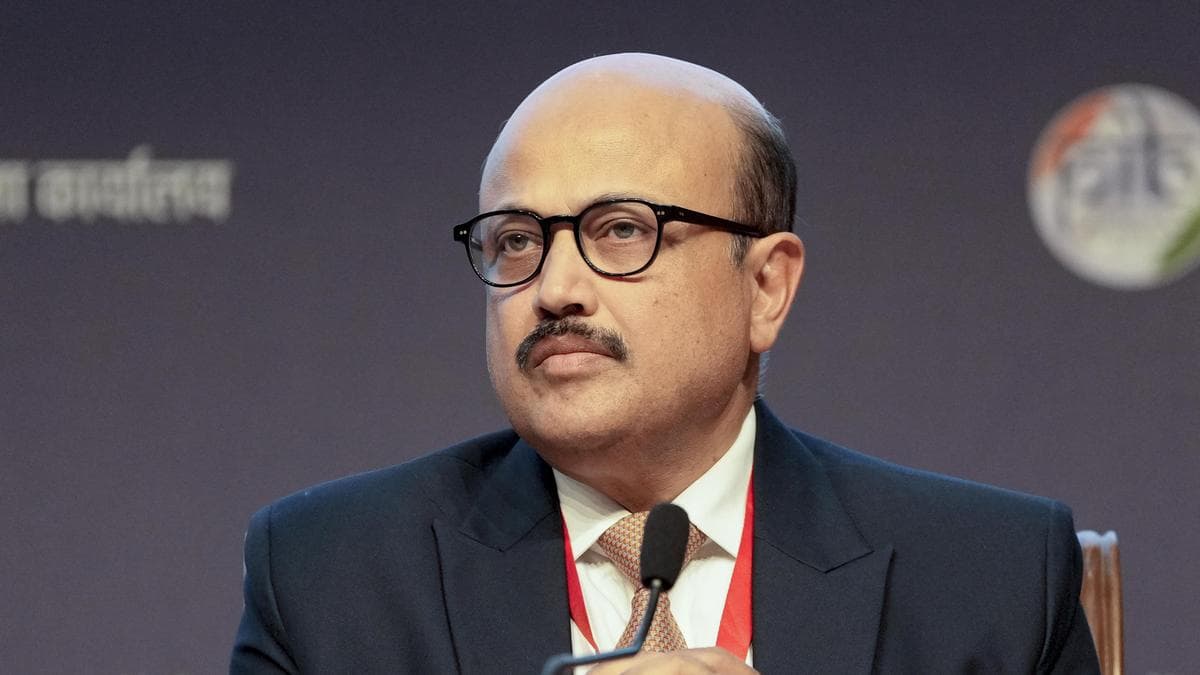
On **March 16, 2026**, Commerce Secretary **Rajesh Agrawal** announced that **India** is actively engaged in negotiations with the **U.S.** regarding a significant trade agreement. However, he indicated that the finalization of this deal may face delays until the United States addresses its current **tariff structure** and clarifies specific country-wise tariff rates. This development is crucial as it highlights the complexities in international trade relations and the potential implications for both economies.
The backdrop of these negotiations includes ongoing investigations by the U.S. that could lead to additional tariffs on various countries, including India. Agrawal's remarks came during a press briefing where he discussed the aftermath of a **U.S. Supreme Court** ruling on **February 20, 2026**, which invalidated certain **reciprocal tariffs** that had been imposed by the previous administration.
## Background on Tariff Changes and Trade Dynamics
Following the Supreme Court's decision, Agrawal explained that the reciprocal tariffs had been rendered void. He noted, "The U.S. Government has issued **Executive Orders** imposing **10% tariffs** under Section 122 of the **Trade Act of 1974** on specific products from all countries, impacting our ongoing negotiations."
The timeline of events leading up to this point has been significant:
- **February 2, 2026**: India and the U.S. announced intentions for a trade deal.
- **February 7, 2026**: A joint statement confirming the framework for this agreement was released.
- **February 20, 2026**: The Supreme Court's ruling against the use of the **International Emergency Economic Powers Act** to impose reciprocal tariffs occurred.
This progression indicates a shifting landscape for trade negotiations, and experts suggest that India may need to recalibrate its approach as the U.S. refines its global tariff strategy.
## Investigations and Potential Tariff Implications
In addition to the Supreme Court ruling, the **U.S. Trade Representative** initiated two investigations on **March 11-12**, 2026, under Section 301 of the Trade Act, which could lead to further tariffs on specific nations, depending on the findings. Agrawal emphasized that any finalized trade agreement will need to consider the comparative advantages India may have in the U.S. market based on the emerging tariff landscape.
The official from the Ministry of Commerce pointed out that the U.S. is attempting to establish a new **tariff architecture** globally. The future of the trade deal will largely depend on how the U.S. navigates its tariffs on competitors, and subsequently, India’s position will be adjusted accordingly.
## Key Factors Influencing the Trade Deal
Agrawal elaborated on the implications of how tariffs will affect India’s market position:
- If competitors have higher tariffs (e.g., **19%, 20%, 21%**), India could maintain its 18% tariff rate on goods.
- Conversely, if competitor tariffs decrease, India may have to reduce its rates accordingly to remain competitive.
This dynamic reflects the delicate balancing act that both nations will have to perform in the coming months. Agrawal also noted the removal of tariffs related to India’s imports of Russian oil, which had been a contentious point in trade talks.
## Why It Matters
The outcome of these negotiations is pivotal not just for India and the U.S. but for the global economic landscape. The implications of tariffs can significantly affect the flow of goods, market competitiveness, and overall economic relationships. As the U.S. continues to reassess its trade policies, India’s ability to adapt will be critical in maintaining a favorable trade environment.
Moreover, the reinstatement of tariffs and potential new tariffs can create uncertainty for businesses and investors, making clarity in trade agreements even more essential.
## Looking Ahead: What to Watch For
As the situation evolves, keep an eye on the following developments:
- **Updates on U.S. tariff structures**: Watch for announcements regarding any changes to tariffs that may affect India’s trade status.
- **Results of the U.S. investigations**: The findings from the Section 301 investigations could reshape the trade landscape dramatically.
- **Further negotiations**: Expect updates from both governments as they work to finalize terms that are beneficial for both parties.
In conclusion, while India remains committed to engaging with the U.S. in trade discussions, external factors such as tariff adjustments and ongoing investigations will play a crucial role in determining the success and timing of any potential trade deal.