

Image: Science Daily
A new study reveals that two types of colon polyps can increase bowel cancer risk by five times, emphasizing the importance of regular screenings for early detection.
GlipzoA groundbreaking study conducted by Flinders University and Flinders Medical Centre has revealed a significant connection between two prevalent types of bowel polyps and an increased risk of bowel cancer. Published in the journal Clinical Gastroenterology and Hepatology, this research sheds light on how adenomas and serrated polyps can elevate the risk of developing colorectal cancer.
Bowel cancer, also referred to as colorectal cancer, is a pressing health issue worldwide, particularly in Australia, where it stands as the second leading cause of cancer-related deaths and the fourth most commonly diagnosed cancer. Understanding the implications of this study is crucial, as it highlights the importance of monitoring and screening for bowel polyps.
Many cases of colorectal cancer originate from polyps, which are abnormal growths on the inner lining of the bowel. While most polyps are benign and do not pose immediate harm, adenomas and serrated polyps present a significant risk. These two types have the potential to transform into cancer over time, making awareness and early intervention critical.
In their comprehensive analysis, researchers examined over 8,400 colonoscopy records. They found that individuals with both adenomas and serrated polyps experienced a fivefold increase in the risk of developing advanced precancerous changes compared to those with just one type of polyp. Dr. Molla Wassie, the lead author of the study, emphasized that the presence of both types, termed synchronous lesions, sharply elevates the risk of serious bowel disease or cancer.
This research is not only extensive but also suggests that the occurrence of these polyps may be more common than previously understood. Remarkably, nearly 50% of patients identified with serrated polyps also exhibited adenomas. This revelation underscores the need for heightened awareness and monitoring of patients with these polyps.
According to Dr. Wassie, this study contributes to a growing body of international evidence indicating that adenomas and serrated polyps may represent distinct cancer pathways that can coexist. This simultaneous activity heightens the urgency for early detection and routine monitoring, which are vital for reducing the risk of colorectal cancer.
One of the critical takeaways from the study is that serrated polyps may progress to cancer more rapidly than adenomas. This finding emphasizes the necessity for tailored screening strategies and follow-up colonoscopy schedules based on the type of polyp identified.
Dr. Wassie stated, "Polyps become more common as we age, but the key is catching and removing them early." For individuals who have had both types of polyps, adhering to a regular colonoscopy schedule becomes even more crucial.
Health experts recommend that individuals over the age of 45 or those with a family history of bowel disease should engage in discussions with their general practitioners about the available screening options. Additionally, the National Bowel Cancer Screening Program serves as an excellent resource for individuals seeking information on bowel cancer prevention and screening.
The Southern Cooperative Program for the Prevention of Colorectal Cancer (SCOOP) was initially funded by the National Demonstration Hospitals Program Phase 3, and Dr. Wassie's research is supported by an NHMRC Investigator Grant (#2009050), further highlighting the collaborative efforts in combating this significant health issue.
The findings from this study are critical not only for individuals at risk but also for healthcare providers and policymakers. They emphasize the importance of early detection and proactive management of bowel polyps to prevent the progression to colorectal cancer. As the research suggests, understanding the nuances of different polyp types and their associated risks can guide more effective screening and treatment protocols.
As we look to the future, it is essential to monitor how these findings will influence screening practices and public health policies. Increased awareness and education about the risks associated with adenomas and serrated polyps could potentially save lives by promoting earlier intervention and reducing the incidence of colorectal cancer. Regular updates on screening guidelines and new research findings will also be vital in the ongoing fight against this prevalent disease.
In conclusion, this study serves as a crucial reminder of the importance of regular screenings and the need for vigilance in the detection and management of bowel polyps. As the landscape of colorectal cancer prevention continues to evolve, staying informed will be key to safeguarding public health.

Shocking findings from Nottingham's maternity unit reveal a toxic culture and alarming neglect. What can be done to improve care? Discover the details.
BBC Health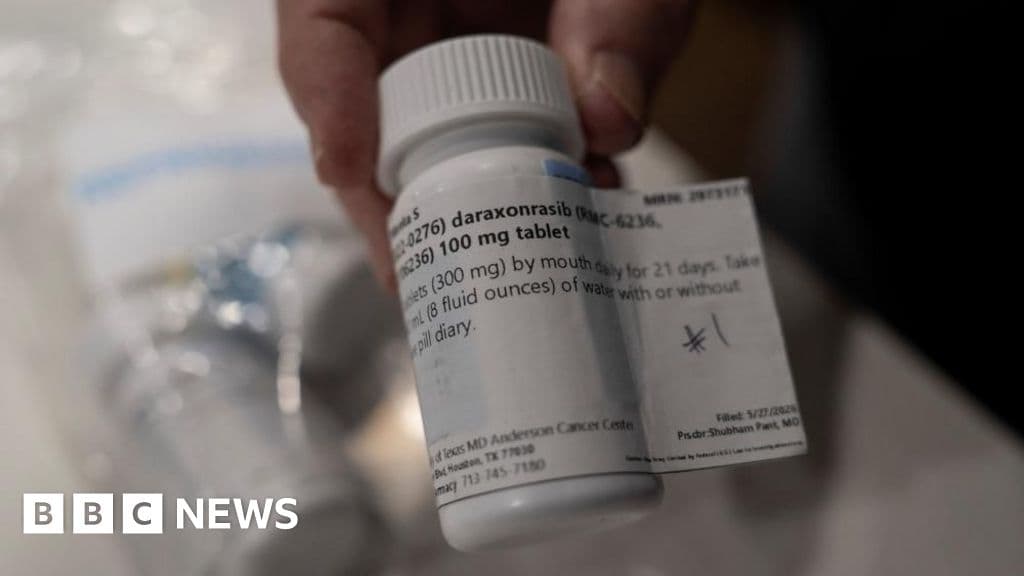
Discover how daraxonrasib, a new pill, is nearly doubling survival rates for pancreatic cancer patients, offering hope in a challenging battle against this deadly disease.
BBC Health
Waste companies propose a £5 deposit on vapes to encourage proper disposal and curb littering as the environmental impact of vapes increases.
BBC Business