
Image: BBC World
A landmark ruling finds Meta and YouTube liable for social media addiction, awarding $6M to a young woman. What does this mean for future regulations?
GlipzoIn a landmark legal ruling, a Los Angeles jury has delivered a significant verdict against tech giants Meta and YouTube, finding them liable for contributing to a young woman's social media addiction that began in her childhood. The case centers around Kaley, a 20-year-old who has been awarded $6 million in damages due to the harmful effects that the platforms had on her mental health.
The jury's decision marks a pivotal moment in ongoing discussions about the impact of social media on youth. Jurors concluded that both Meta, which oversees Instagram, Facebook, and WhatsApp, and Google, the parent company of YouTube, knowingly designed their platforms to be addictive, which ultimately harmed Kaley's well-being. This ruling sets a precedent that could influence numerous similar cases currently being considered in U.S. courts.
Kaley’s award of $6 million, which includes $3 million in compensatory damages and an additional $3 million in punitive damages, was a result of the jury's finding that the companies acted with malice, oppression, or fraud in their operations. Meta is expected to be responsible for 70% of the awarded damages, while Google will cover the remaining 30%.
Both Meta and Google have expressed their intent to appeal the verdict. Meta defended its position by stating, "Teen mental health is profoundly complex and cannot be linked to a single app." The company emphasized its commitment to protecting teenagers online and asserted that each case regarding social media addiction is unique. Google countered by arguing that the case mischaracterizes YouTube as a social media platform, claiming it is a responsibly designed streaming service.
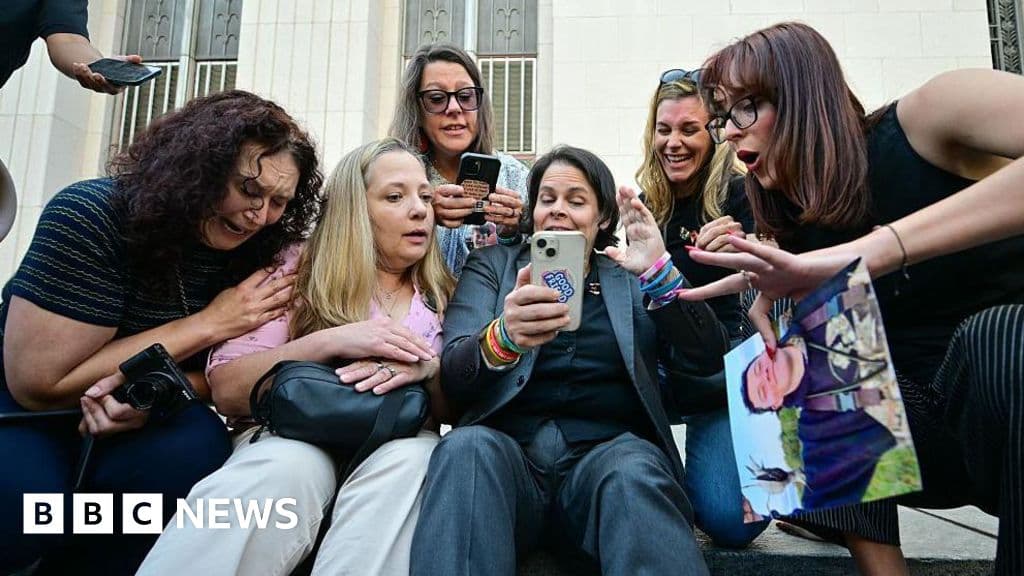
Outside the courthouse, parents of children similarly impacted by social media gathered, expressing their support for Kaley's legal battle. Their presence underscores a growing concern among families about the mental health risks associated with social media use. As the verdict was announced, there were emotional celebrations among these parents, indicating a collective sigh of relief and hope for change.
The recent ruling follows another significant finding in New Mexico, where a jury found Meta liable for exposing children to harmful content on its platforms. This sequence of verdicts reflects a growing public sentiment that is increasingly critical of social media companies and their practices.
Experts suggest that these rulings symbolize a breaking point between social media firms and the public, particularly concerning how these platforms engage with minors. Mike Proulx, a research director at Forrester, notes that negative attitudes toward social media have been building for years, culminating in these recent legal actions. Countries like Australia have already begun enacting restrictions to limit children's access to social media, while the UK is piloting a program that considers banning social media for under-16s.
In court, Mark Zuckerberg, Meta's CEO, attempted to defend the company by referring to its policy of not allowing users under 13 on its platforms. However, during the trial, evidence was presented showing that Meta was aware that younger children were accessing their services. Kaley herself testified about her early experiences, revealing that she began using Instagram at the age of nine and YouTube at just six. She described how her time on these platforms led to anxiety, depression, and a distorted perception of her physical appearance due to the filters that altered her looks.
As the legal landscape continues to evolve, it raises critical questions about the future responsibilities of social media companies towards their younger users. The implications of this case extend beyond Kaley’s personal experience, potentially influencing future regulations and accountability measures for social media platforms.
In the wake of this verdict, observers will be watching closely to see how Meta and Google proceed with their appeals and whether other cases will result in similar outcomes. The increasing scrutiny of social media practices, particularly regarding the mental health of children, suggests that this battle is far from over. As public awareness grows and more parents join the conversation, we may see further legislative actions and reforms aimed at safeguarding the mental health of the younger generation in the digital age.
Why It Matters: This case highlights a critical juncture in the dialogue about mental health and social media, emphasizing the need for accountability and reform in how these platforms operate, particularly concerning their most vulnerable users: children.

Tensions soar as the US and Iran engage in air strikes near the Strait of Hormuz, raising concerns over global oil supply and regional stability.
BBC World
Trump's international interventions face serious stalemates. What will this mean for U.S. foreign policy? Explore the critical challenges ahead.
Indian Express
Tehran denies resignation of President Masoud Pezeshkian amid claims of IRGC influence. What does this mean for Iran's political stability? Click to learn more!
Indian Express