
Image: BBC Business
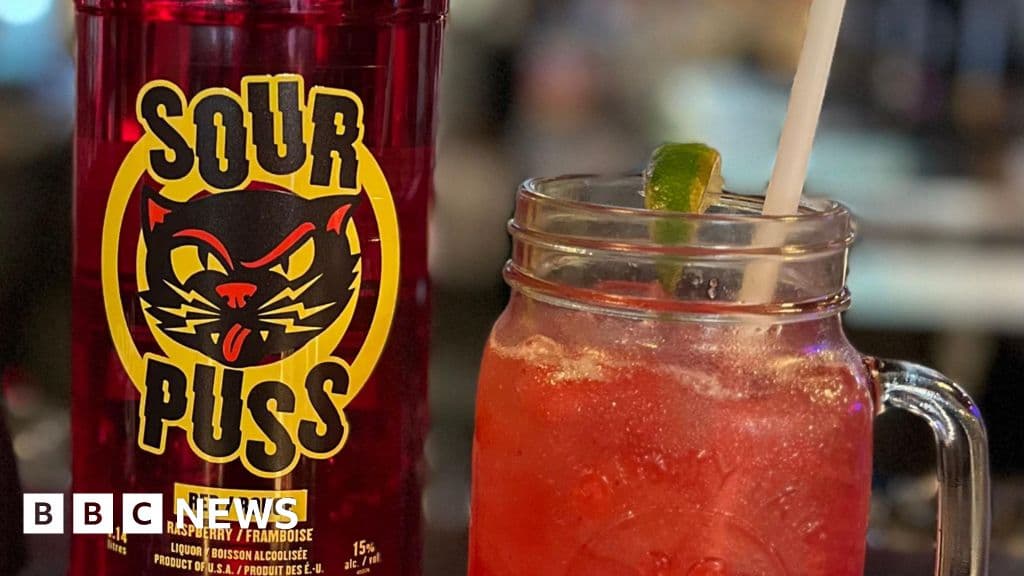
Discover how Phillips Distilling moved Sour Puss production to Canada to combat trade challenges and regain market presence amid boycott pressures.
GlipzoStephanie Intrevado, a 35-year-old Canadian, has turned her love for Sour Puss, a vibrant fruity liqueur, into a passionate collection. Ever since her first taste of Sour Puss at the age of 18—Quebec's legal drinking age—she has been on a quest to gather every unique flavor, from passionfruit to watermelon. For Intrevado, these brightly colored bottles are more than just drinks; they represent cherished moments and connections with friends.
However, her enthusiasm turned to concern when she discovered that her beloved liqueur was not produced in Canada but originated from the United States. This revelation came amidst a trade boycott initiated in Spring 2025, when Canadian provinces began refusing to sell American liquor as retaliation against tariffs imposed by former U.S. President Donald Trump.
The boycott hit Phillips Distilling, the family-run company behind Sour Puss, particularly hard, with a staggering 70% drop in Canadian sales, which CEO Andy England described as a "disaster." Given that Canada was the primary market for Sour Puss, this situation forced Phillips Distilling to reconsider its production strategy.
To adapt to the challenging market conditions, Phillips Distilling undertook an unprecedented step: relocating part of its production to Canada. This strategic move has allowed the company to re-establish its presence in Canadian stores and cater to the loyal fanbase that Sour Puss has amassed over the years.
"We're in a different place now," England remarked in an interview with the BBC. "We produce and sell in Canada. I think we have convinced all of the provinces to take back some of our products, and we're on the road to recovery." This shift is not just about business; it’s about reconnecting with Canadian consumers who have cherished the brand.
Despite the ongoing trade tensions, Phillips Distilling’s decision to bolster Canadian production has been a game-changer. While many U.S. liquor brands have felt the financial strain of the trade war, Phillips Distilling stands out as one of the few that has made such a significant operational change.
The broader context of this situation reveals the complexities of international trade relations between Canada and the United States. As negotiations for a new trade deal continue to stall, the liquor sales ban has emerged as a prominent sticking point. Prime Minister Mark Carney has indicated that provinces might reconsider their stance on American alcohol if tariffs affecting key Canadian industries—like automotive, metals, and lumber—are reduced or eliminated.
The initial decision to boycott U.S. liquor was made in March 2025, starting with Ontario, home to one of the largest wholesale alcohol purchasers in the world. As the automotive sector suffered under Trump's tariffs, other provinces, including Quebec and British Columbia, followed suit. As of May 2026, only Alberta and Saskatchewan remain open to selling American liquor.
In Canada, the liquor market is tightly regulated by provincial governments, which oversee the importation and sale of alcoholic beverages. This means that decisions made at the provincial level can significantly impact U.S. producers like Phillips Distilling, especially when their brands have become synonymous with Canadian culture.
Phillips Distilling felt the consequences of the provincial liquor boycott almost immediately. England noted that while sales in the U.S. were minimal—"If we sold 1,000 cases of Sour Puss in the U.S., I’d be surprised"—the brand has become a cultural icon in Canada. The overwhelming popularity of Sour Puss led England to explore production options in Canada shortly after the liquor boards began halting orders.
In October 2025, as the tariffs and provincial ban persisted, Phillips Distilling secured an agreement with Station 22, a Montreal-based alcohol manufacturer, to commence production. This partnership not only revitalized the brand's availability but also garnered positive responses from Canadian distributors eager to see Sour Puss back on shelves.
Quebec was the first province to welcome the return of Sour Puss, paving the way for discussions with other provinces and enabling the product's gradual resurgence across Canada. The excitement surrounding the brand's comeback was captured by Intrevado in a celebratory Instagram post featuring her favorite raspberry flavor, exclaiming, "Guess who's back? Oh how I've missed you."
As Phillips Distilling navigates this new chapter, the future of the U.S.-Canada liquor market remains uncertain. The ongoing trade negotiations will be crucial in determining the long-term viability of American liquor brands in Canada. With the provinces showing some willingness to resume American liquor sales, the outcome will largely depend on concessions made on tariffs.
For Phillips Distilling, the move to Canadian production may not only safeguard its market presence but also serve as a model for other U.S. liquor producers facing similar challenges. As the industry adapts to shifting trade dynamics, companies that can innovate and connect with local consumers will likely find success in this evolving landscape.
The road ahead is filled with potential, and as the trade dialogue continues, the fate of Sour Puss and other American brands hangs in the balance. Consumers and industry watchers alike will be keenly observing how these developments unfold in the coming months.
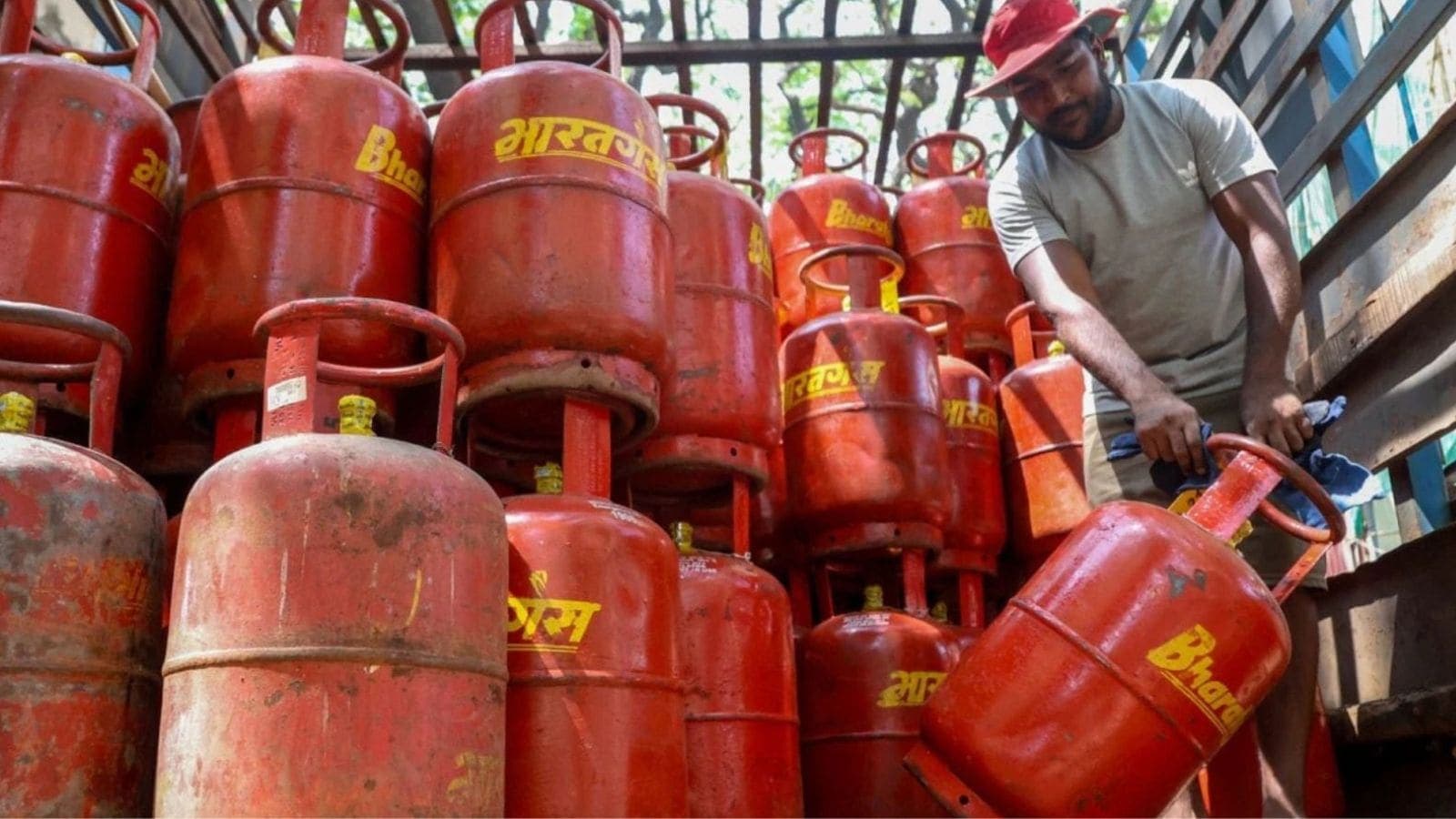
Commercial LPG prices have risen again, with increases of ₹42 in Delhi and ₹53.50 in Kolkata impacting businesses and consumers alike. Find out more.
Indian Express
Discover how a tragic coal mine explosion in Shanxi, China, reveals ongoing safety concerns in the industry amidst a push for green energy.
BBC Business
Montek Singh Ahluwalia highlights key economic challenges for India, emphasizing the need for a strategic approach to balance payments and investment.
Indian Express