
Image: Mint (Business)
The U.S. Education Department has transferred student loan management to the Treasury Department. What does this mean for borrowers? Find out here.
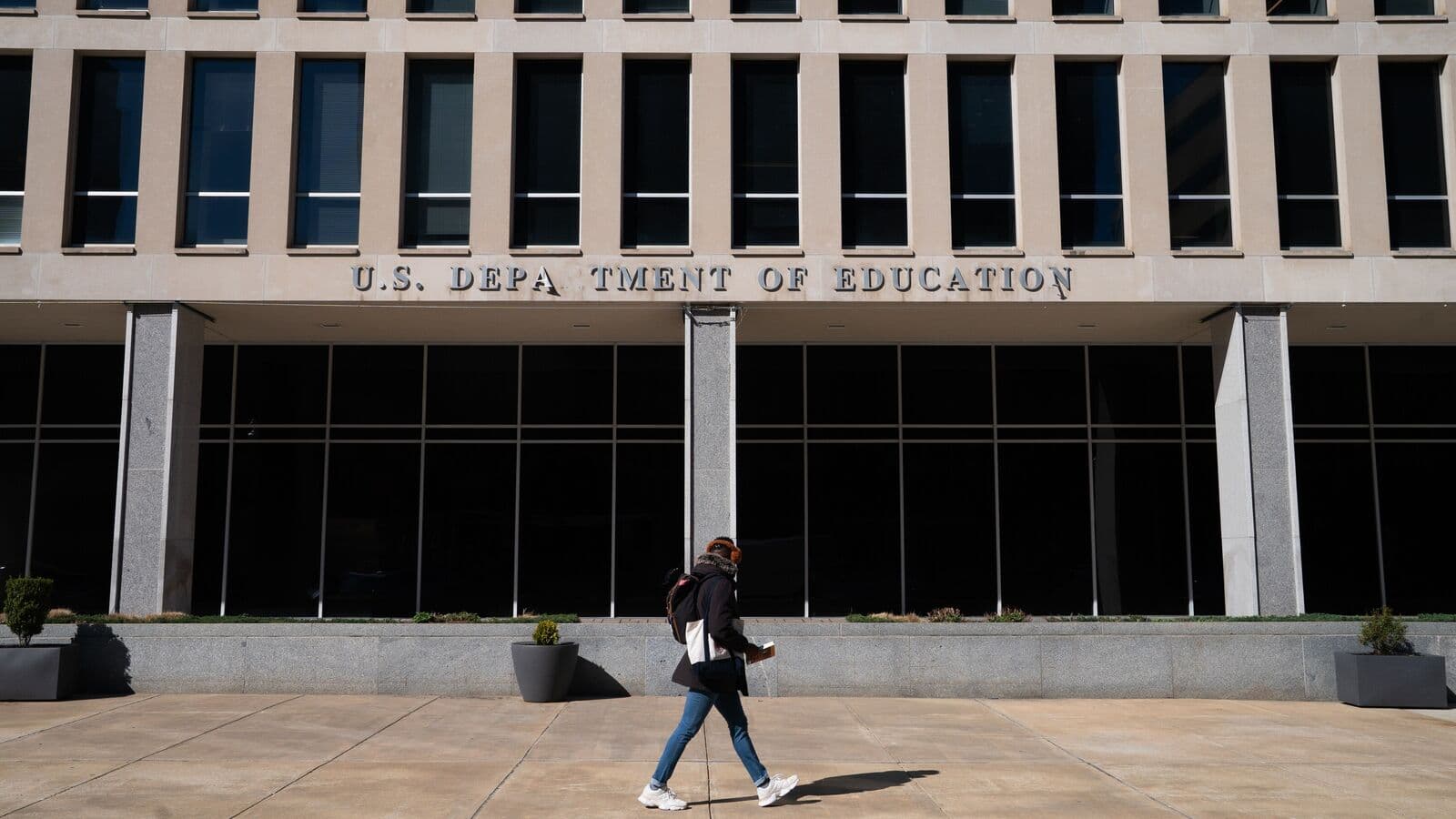
GlipzoIn a significant shift affecting millions of borrowers, the U.S. Education Department has transferred management of its student loan portfolio to the U.S. Treasury Department. This change is part of a broader initiative initiated during the Trump administration aimed at restructuring federal education oversight. Announced on March 19, this new arrangement will initially focus on loans that are in default, which account for approximately 11% of the $1.7 trillion student loan landscape, or around $180 billion.
The agreement indicates that the Treasury will eventually assume responsibility for all student loans, with a phased approach that includes managing non-default loans “to the extent practicable.” This substantial transition raises numerous questions for borrowers regarding their rights and the implications of such a significant administrative shift.
For those who are currently repaying their loans, it is essential to understand that no immediate action is required on their part. Borrowers will continue to interact with their existing loan servicers for repayment. A report from CNBC reassures borrowers that the terms and conditions of their loans remain unchanged despite the shift in oversight. This is because the rights of borrowers are enshrined in the master promissory note they signed when taking out their loans.
However, for individuals concerned about potential data loss during the transition, Landon Warmund, a certified student loan professional, recommends that borrowers download their loan information from the National Student Loan Data System. This proactive step can help ensure that borrowers have access to their data, regardless of the administrative changes.
For those who are aware that their loans are in default, it’s crucial to seek assistance. The Default Resolution Group is available to provide information on repayment options and rehabilitation programs. Borrowers who are 270 days or more behind on their payments are classified as being in default. According to recent statistics, about 9.2 million Americans find themselves in default on their student loans, while an additional 12 million are behind on payments in some capacity.
Defaulting on a student loan can lead to serious repercussions. It not only adversely affects borrowers' credit scores, but also opens the door for the government to withhold wages and even Social Security benefits until the debt is resolved. As the pandemic-era protections for borrowers begin to expire, experts warn of a potential surge in defaults, marking a critical point for many borrowers as they navigate their financial obligations.
The Trump administration previously postponed involuntary collections on defaulted loans, a decision that was influenced by the upcoming midterm elections in November. As these protections wane, borrowers may face increased pressure to address their debts.
The U.S. Education Department has played a pivotal role in managing federal student loans for over 40 years. However, recent efforts have aimed at dismantling its authority. Education Secretary Linda McMahon stated that this transition is expected to “dramatically improve the administration of federal student aid programs.” Yet, the effectiveness of these changes remains to be seen as borrowers adapt to the new structure.
The Education Department's oversight has been integral in shaping how student loans are administered and managed, and this transition raises questions about the future of federal educational support and the implications for borrowers nationwide.
As the U.S. Treasury prepares to take over management of student loans, it is crucial for borrowers to stay informed about any updates related to their loans. Here are some key points to keep in mind moving forward: - Stay updated: Keep an eye on communications from your loan servicer regarding any potential changes in management or processes. - Download important documents: Secure your loan data from the National Student Loan Data System to prevent any issues during the transfer. - Monitor your payments: Ensure that you are aware of your payment status to avoid falling into default. - Explore repayment options: Consider contacting the Default Resolution Group if you find yourself struggling with payments.
This transition marks a crucial moment in the management of federal student loans, potentially impacting millions of borrowers across the nation. The restructuring may lead to new policies and practices that could either enhance or complicate the repayment process for borrowers. As the education landscape continues to evolve, it is essential for borrowers to remain vigilant and proactive in managing their student loan obligations.
The coming months will be pivotal as borrowers navigate these changes and the industry braces for potential increases in defaults. Keeping abreast of developments will be key for anyone affected by this significant transition in student loan management.

Commercial LPG prices have risen again, with increases of ₹42 in Delhi and ₹53.50 in Kolkata impacting businesses and consumers alike. Find out more.
Indian Express
Discover how a tragic coal mine explosion in Shanxi, China, reveals ongoing safety concerns in the industry amidst a push for green energy.
BBC Business
Montek Singh Ahluwalia highlights key economic challenges for India, emphasizing the need for a strategic approach to balance payments and investment.
Indian Express